






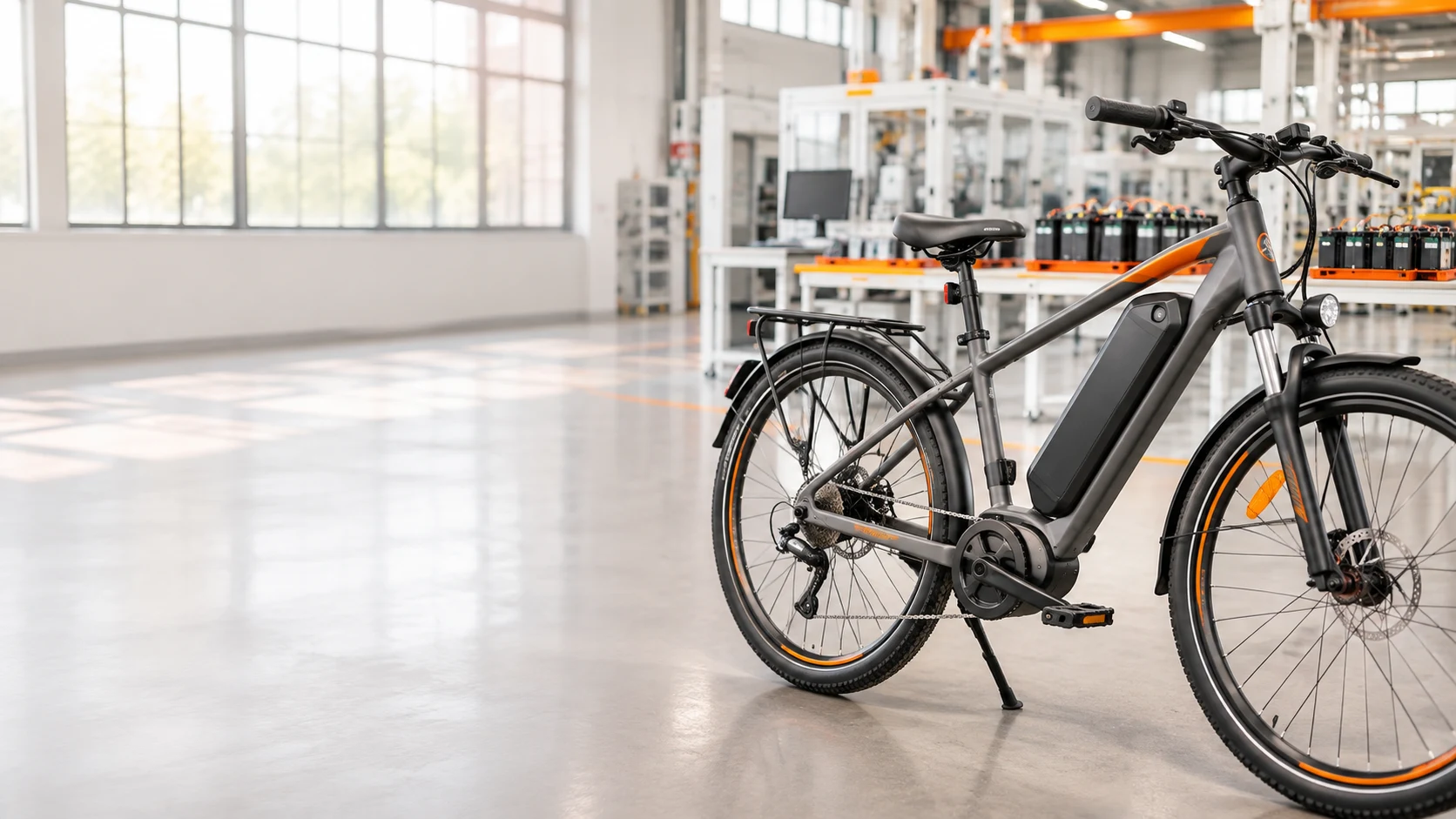












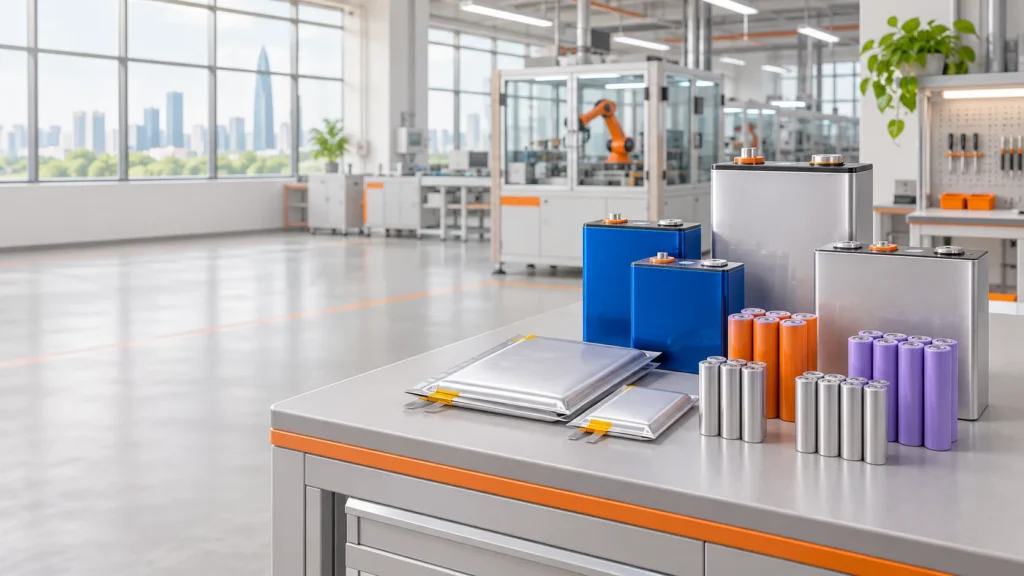

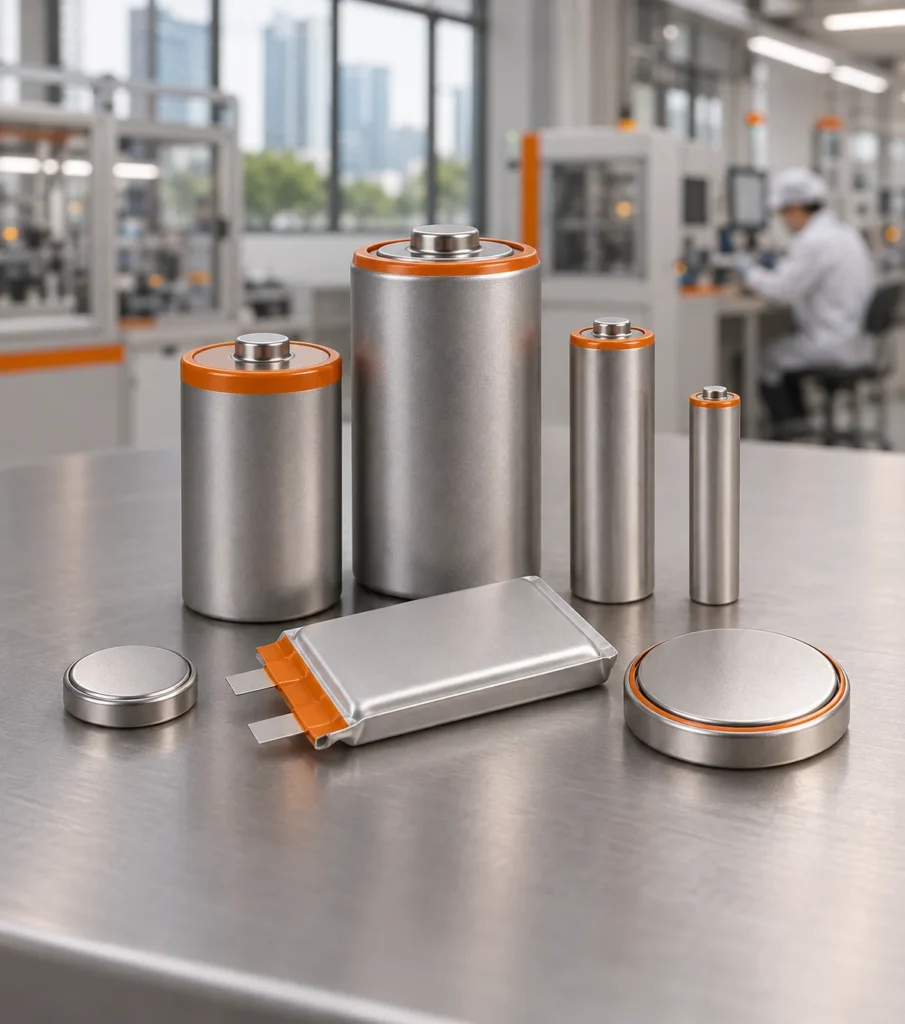

Lithium batteries have become one of the most important technologies driving the global energy transition. From electric vehicles to renewable energy storage and industrial electrification, demand for lithium battery systems continues to grow rapidly. In 2026, the market is no longer dominated by a single application. Instead, it is expanding across transportation, energy infrastructure, and commercial equipment.
For businesses involved in energy projects, equipment manufacturing, or battery supply chains, understanding the latest lithium battery market trends is essential for planning future investments and partnerships.
Rapid Growth of the Lithium Battery Market
The global lithium battery market has experienced strong growth over the past decade, and this momentum continues in 2026. Industry analysts estimate that the market will exceed $85–90 billion globally, driven by electrification and renewable energy adoption.
Several key industries are responsible for this growth. Electric vehicles remain the largest consumer of lithium batteries, but demand from energy storage systems, telecom infrastructure, and industrial equipment is increasing quickly. As more industries transition toward electrification and low-carbon operations, lithium battery demand is expected to expand steadily over the coming years.
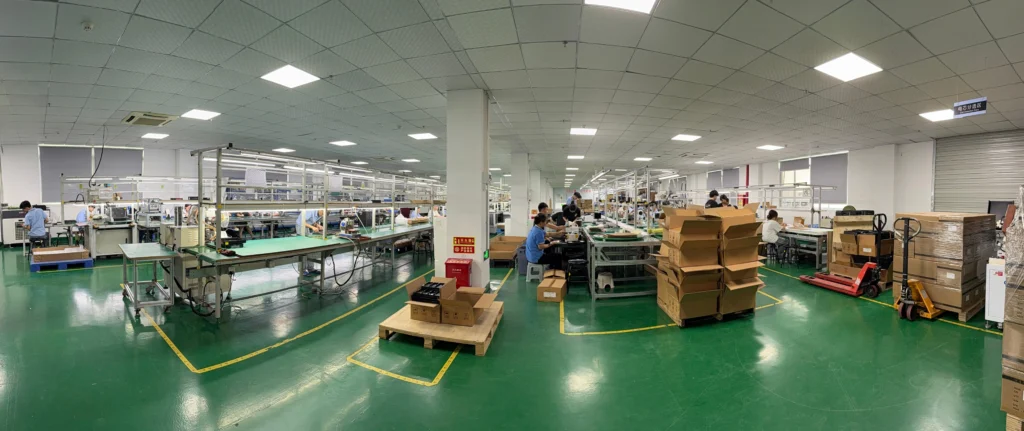
For manufacturers and suppliers, this growth represents a major opportunity. Battery production capacity is expanding worldwide, with new gigafactories being built in Asia, Europe, and North America.
Electric Vehicles Continue to Drive Demand
Electric vehicles remain the largest driver of lithium battery demand. Governments around the world are introducing stricter emissions regulations and supporting EV adoption through subsidies and infrastructure development.
Major automakers are investing heavily in EV production, which requires massive battery supply chains. As EV sales increase, battery manufacturers are scaling production to meet demand from passenger vehicles, commercial vehicles, and electric buses.
Another noticeable trend is the diversification of battery chemistries in the EV market. While high-energy batteries remain important for long-range vehicles, many manufacturers are increasingly adopting LFP (Lithium Iron Phosphate) batteries for cost-effective and safer vehicle platforms.
Energy Storage Systems Are Expanding Rapidly
While electric vehicles dominate the headlines, energy storage systems (ESS) are becoming one of the fastest-growing lithium battery markets.
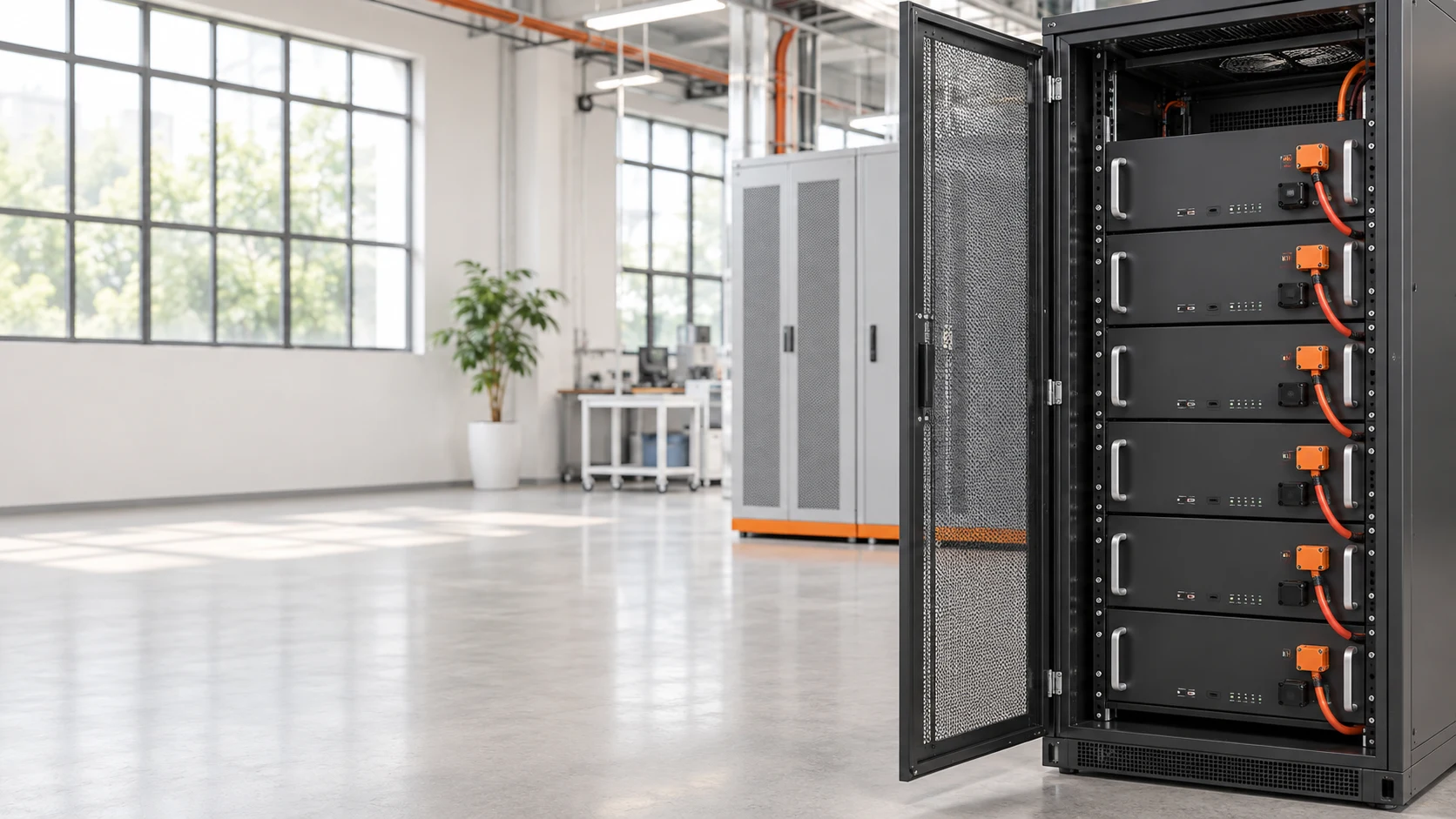
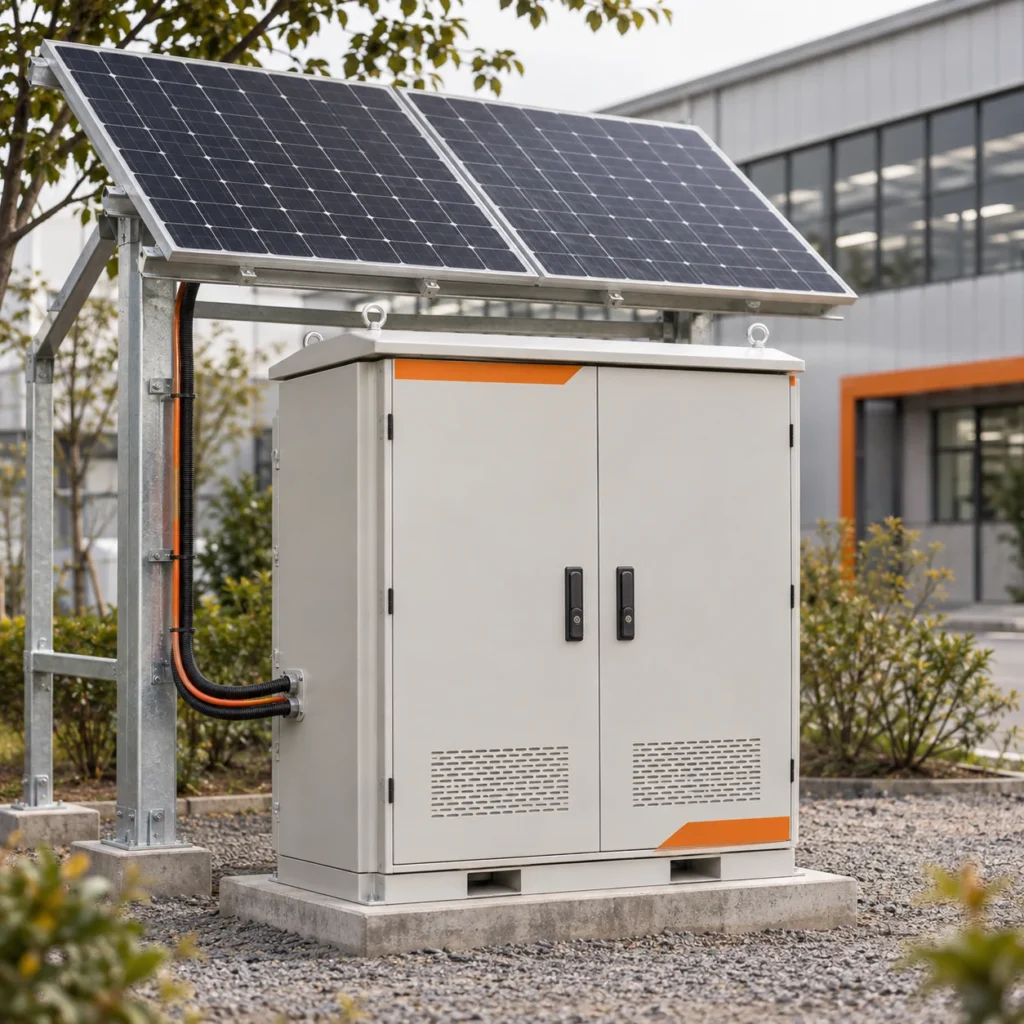
As renewable energy sources such as solar and wind become more common, energy storage plays a critical role in stabilizing power grids and storing excess electricity. Large battery storage systems help utilities manage peak demand, improve grid reliability, and support renewable energy integration.
Many countries are investing in grid-scale battery projects to strengthen their energy infrastructure. At the same time, commercial and residential energy storage systems are gaining popularity as businesses and households seek more control over their electricity consumption.
Because of their long cycle life and safety characteristics, lithium batteries—particularly LFP batteries—are increasingly used in large-scale energy storage applications.
LFP Technology Gains Global Popularity
One of the most significant technology trends in the lithium battery market is the rise of LFP battery chemistry.
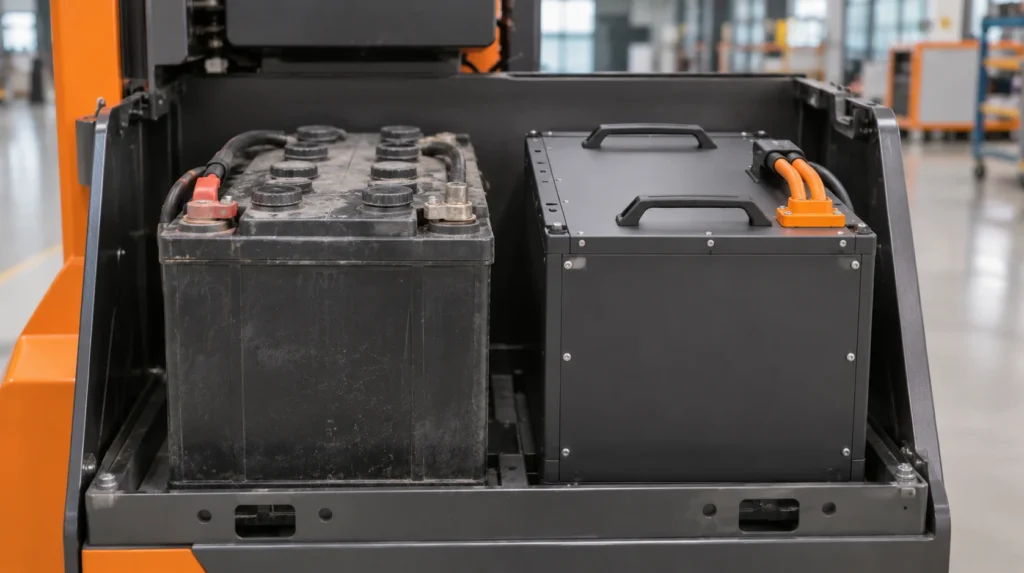
LFP batteries offer several advantages, including strong thermal stability, long cycle life, and relatively stable raw material costs. Unlike some other lithium battery chemistries, LFP batteries do not rely on cobalt, which helps reduce supply chain risks and price volatility.
These benefits have made LFP batteries particularly attractive for applications such as:
- energy storage systems
- electric buses and commercial vehicles
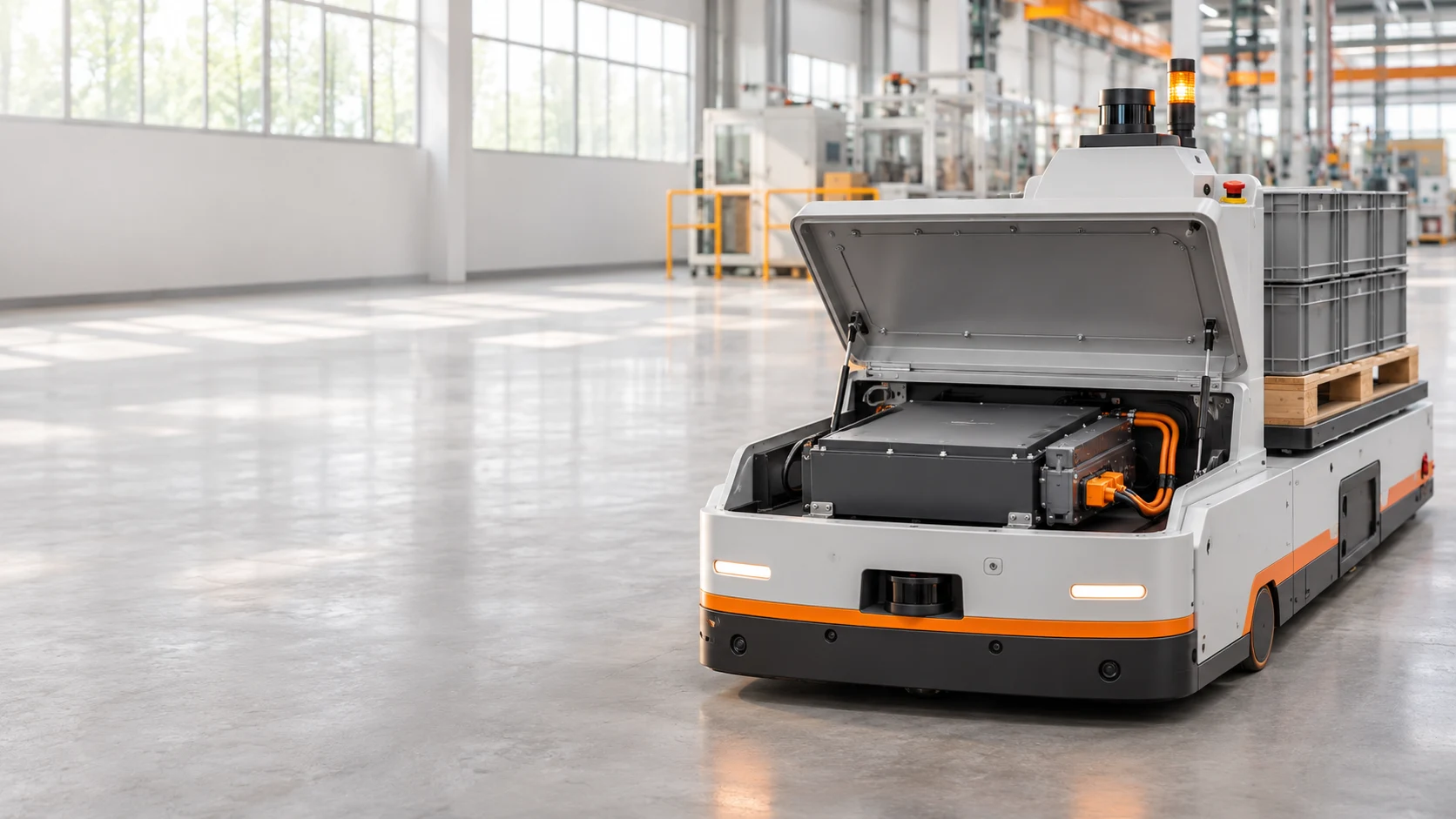
- industrial equipment
- telecom backup power
As battery technology improves, many manufacturers are shifting toward LFP for applications where safety, durability, and cost stability are more important than maximum energy density.
Global Supply Chains Are Being Reshaped
Another major trend in 2026 is the restructuring of global battery supply chains. Governments and companies are investing heavily in local battery production to secure access to critical materials and reduce dependence on foreign suppliers.
New lithium mining projects, refining facilities, and battery manufacturing plants are being developed in multiple regions. These investments are designed to strengthen supply chains and ensure long-term availability of battery materials.
At the same time, battery recycling is becoming an increasingly important part of the industry. Recovering valuable materials such as lithium, nickel, and cobalt from used batteries can reduce environmental impact and help stabilize raw material supply.
Emerging Battery Technologies
Although lithium-ion batteries dominate the market today, research into next-generation battery technologies continues to grow. Sodium-ion batteries, solid-state batteries, and other alternative energy storage technologies are receiving increased attention.
These technologies are still in development, but they may complement lithium batteries in certain applications in the future. For example, sodium-ion batteries could provide a lower-cost solution for large-scale energy storage where energy density is less critical.
However, lithium batteries are expected to remain the dominant energy storage technology for the foreseeable future due to their maturity, performance, and global manufacturing capacity.
Conclusion
The global lithium battery market in 2026 is defined by rapid expansion and technological evolution. Electric vehicles continue to drive demand, while energy storage systems are emerging as one of the fastest-growing applications. At the same time, battery technologies such as LFP are gaining popularity because of their safety and cost advantages.
As industries move toward electrification and renewable energy integration, lithium batteries will remain a central component of modern energy infrastructure. For manufacturers, project developers, and industrial users, staying informed about these market trends is essential for identifying opportunities and building competitive battery strategies in the years ahead.