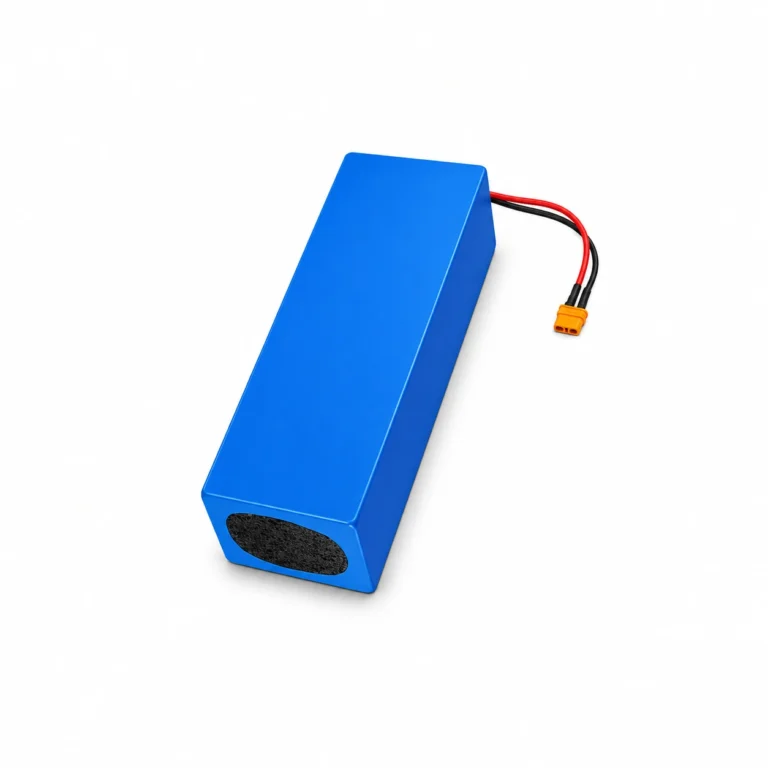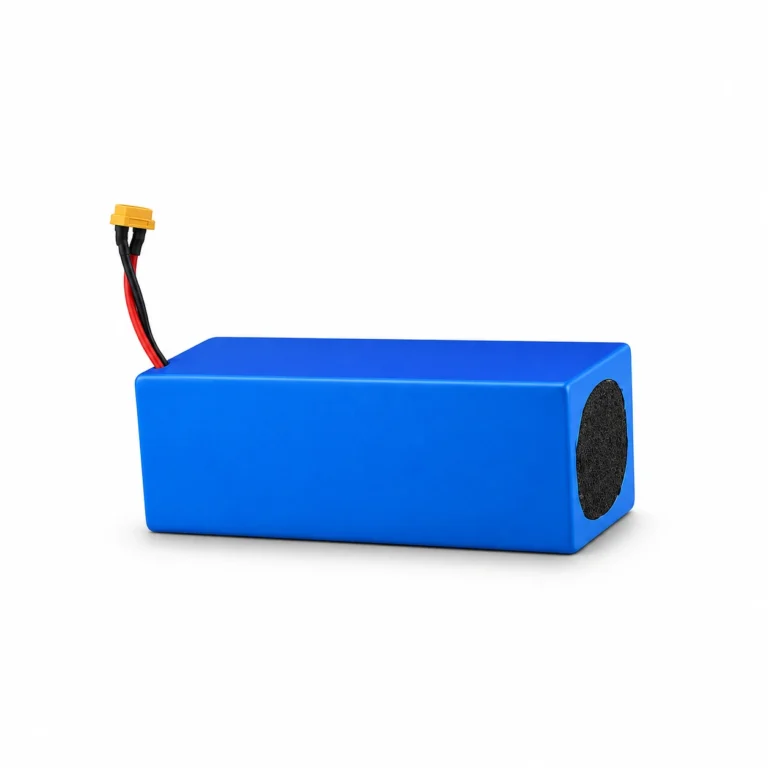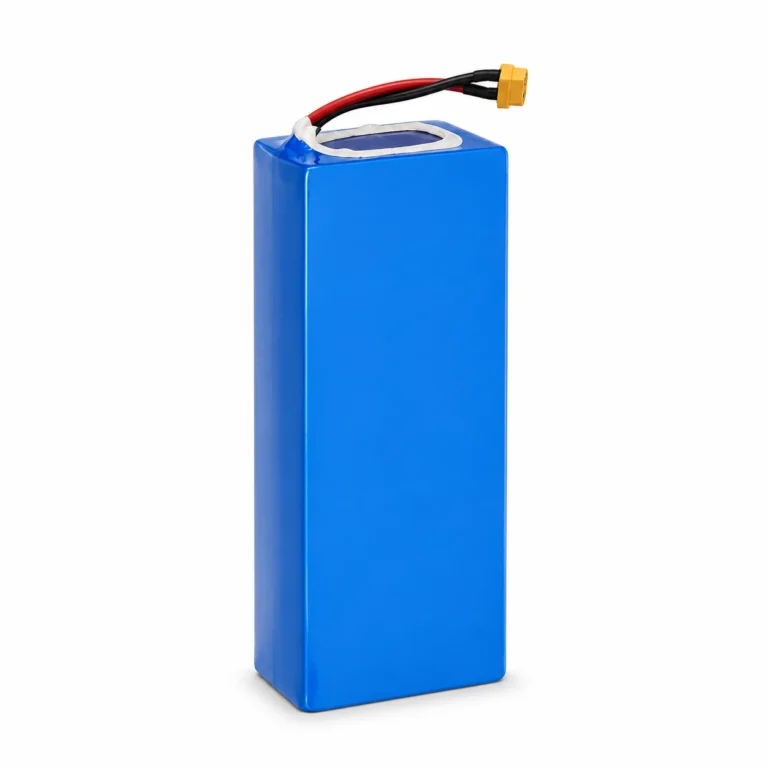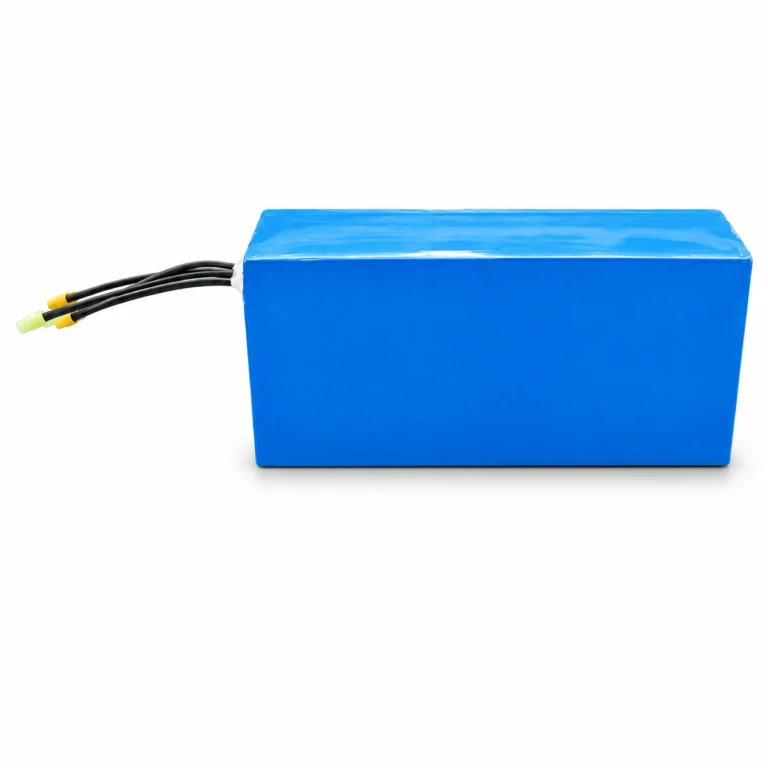































Custom lithium battery packs for device makers · Made in Shenzhen, shipped worldwide

sale1@jetray.cnEngineer reply within 24 h
01 / 07

Medical Device Batteries

Custom lithium battery packs for portable medical devices.

Explore medical device
Not sure where your product fits? An engineer replies within 24 hours.All industries Send your spec
01 / 05

Replacement Battery Packs

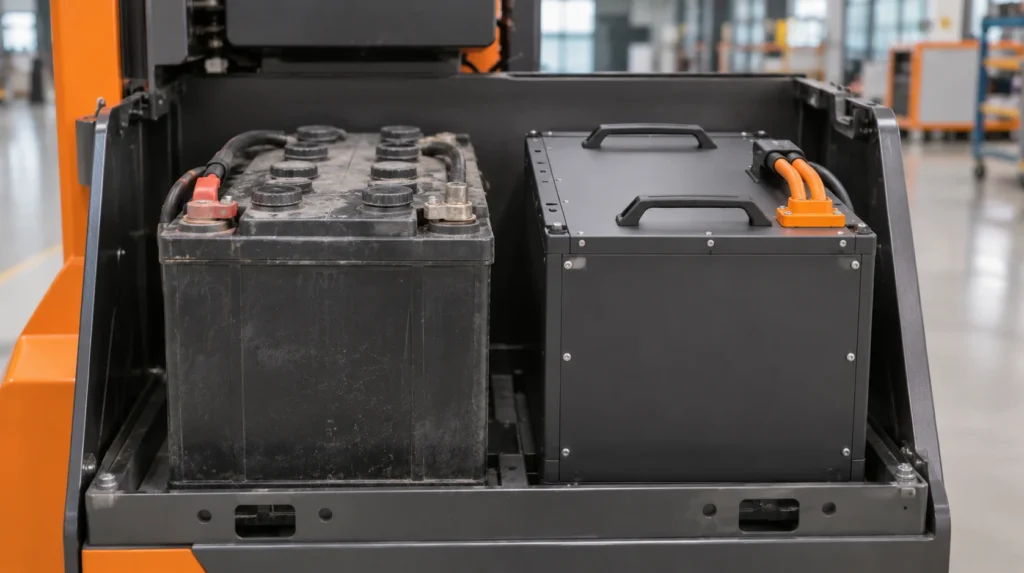
Custom lithium replacement packs for lead-acid batteries and light EVs.

Explore replacement
Not sure which product fits? An engineer replies within 24 hours.All products Send your spec
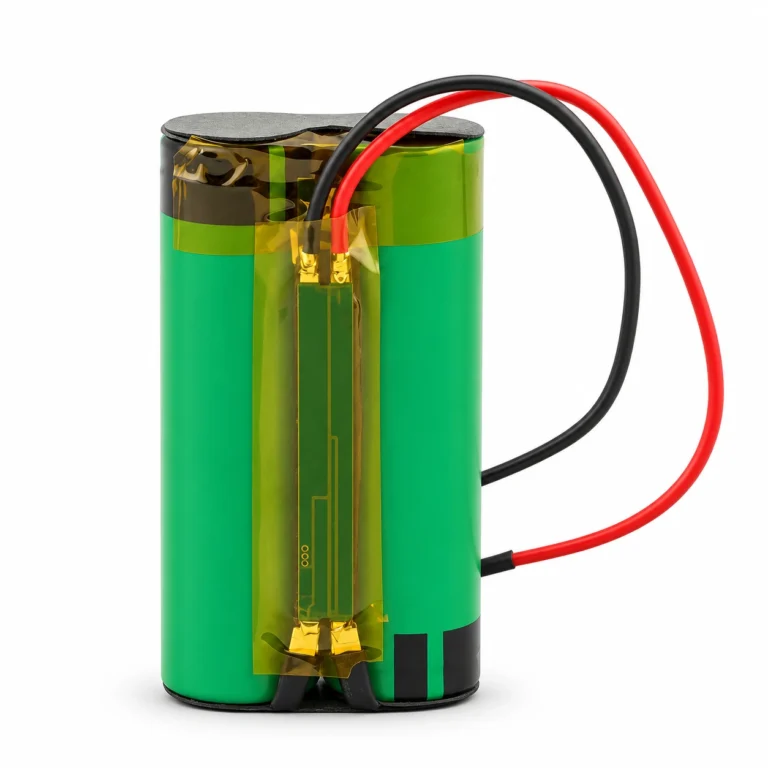
Battery management system board for a custom lithium battery pack
Custom Solutions

BMS Design for Custom Battery Packs

A battery management system (BMS) monitors every cell group and protects the pack from overcharge, over-discharge, over-current, short circuit and extreme temperature.

Engineer replyWithin 24 hours
What a BMS does
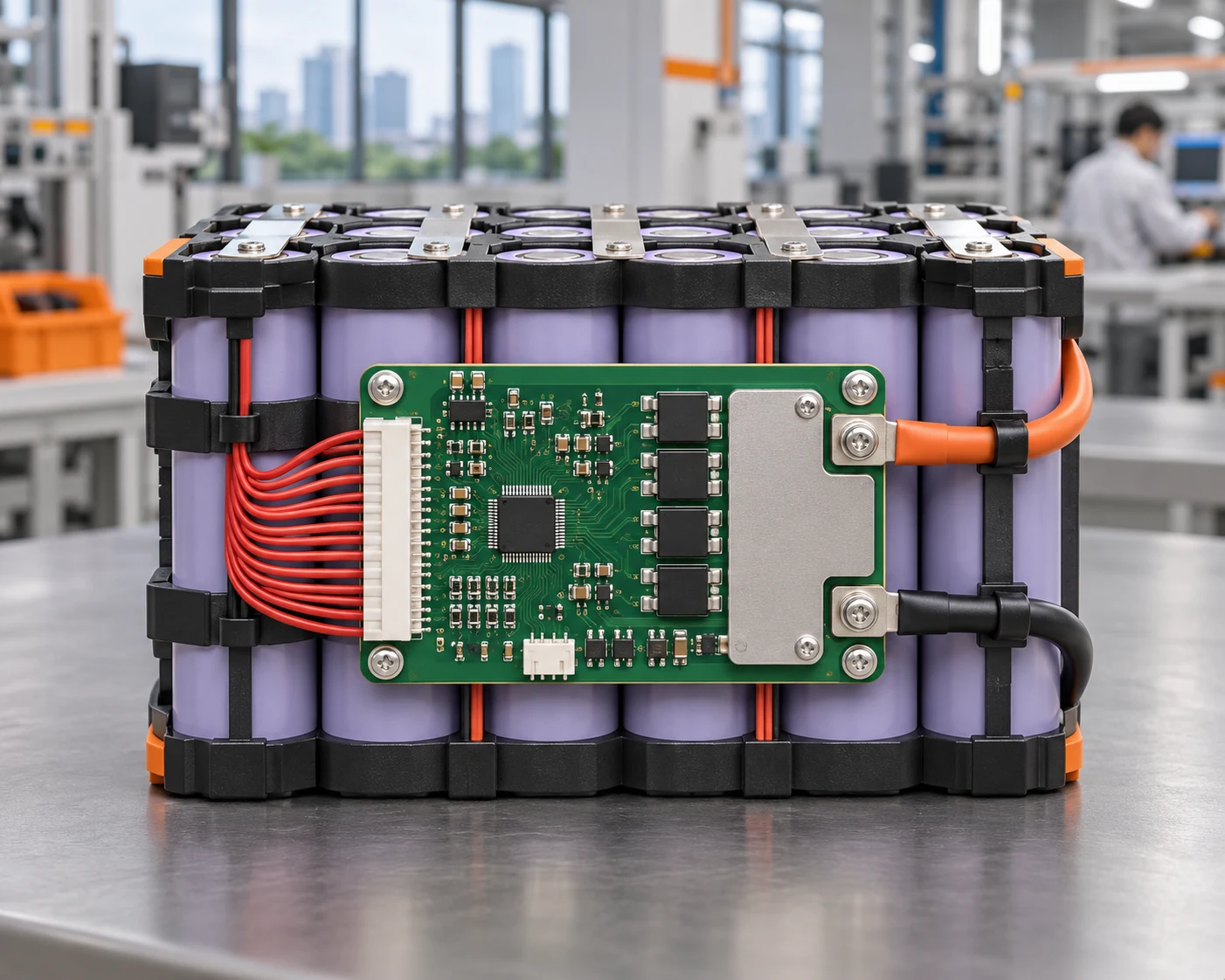
The electronics that keep every cell safe

For a custom pack, the limits, balancing method and communication must be set for your cells and your load.

Close-up of a BMS protection board wired to lithium cell groups
01

Monitors

Cell voltage, pack current and temperature, all the time.

02

Protects

Opens the power path when a limit is exceeded.

03

Balances

Keeps cell groups at a similar charge.

04

Reports

Sends charge level and faults to your device or charger, when a communication interface is fitted.

Products

Examples of packs we build

Standard models we have already built and tested. Use them as a starting point — tap + to add models to your inquiry list and tell us what to change.

View all products
66 products
Main parts

Inside a BMS board

Hover or tap a part to see its job.
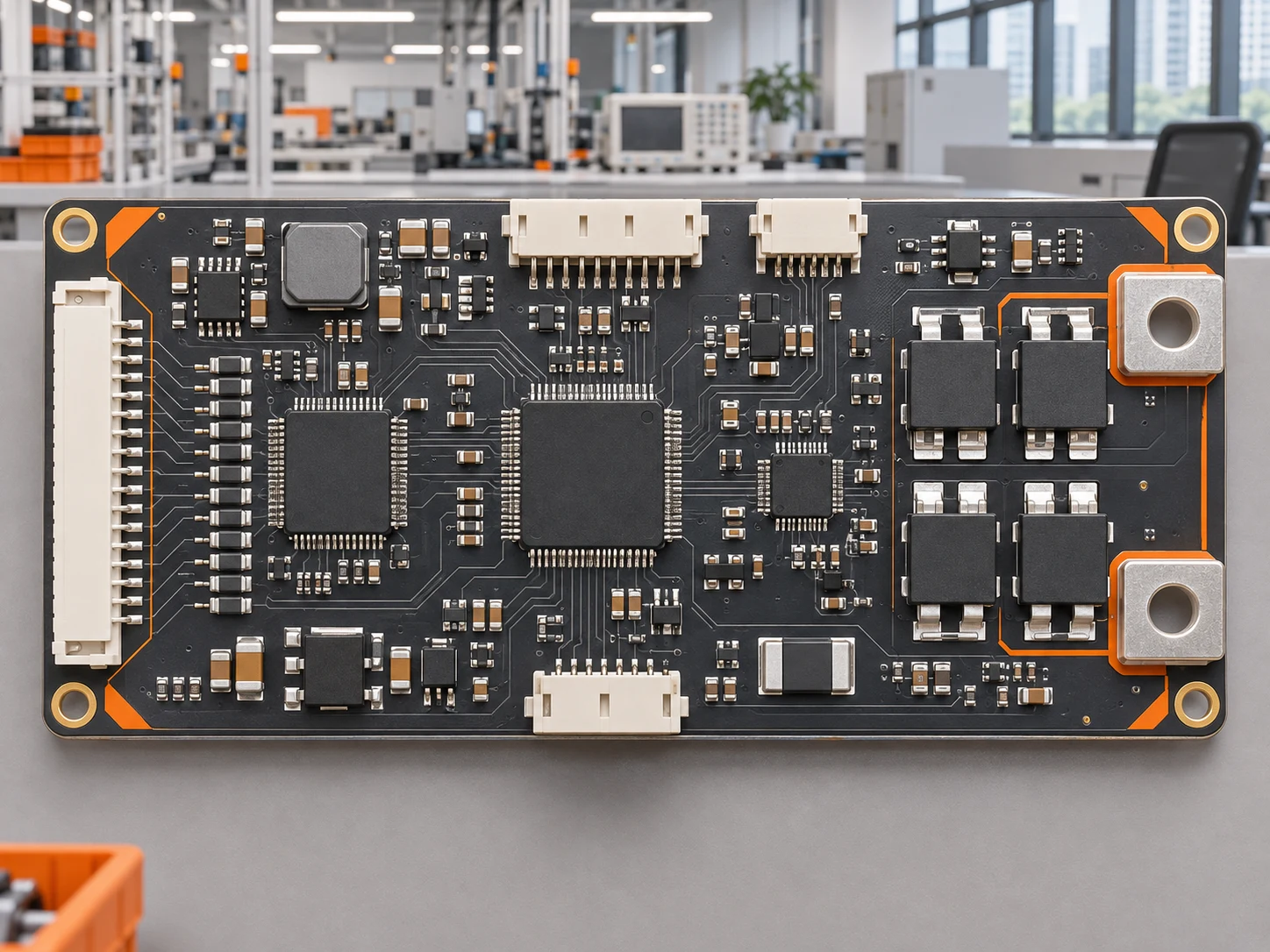
Top view of a battery management system board showing AFE, MCU, fuel gauge and MOSFETs

A simple pack may use one protection chip. A pack with a fuel gauge and communication uses a controller as well.

Protection functions

Push the limits, watch the BMS react

Move a slider past a limit and see which protection opens the power path.

Chemistry
Mode
Power path closedCharging normally
OverchargeStops charging at the upper limit: 4.2 V
Over-dischargeStops discharge before the lower limit: 2.8 V
Over-currentCuts the output above the set value
Short circuitCuts the output within a very short time
TemperatureBlocks charge or discharge outside the safe range

Upper limits of about 4.2 V for most Li-ion and about 3.65 V for LiFePO4 are typical starting points. Lower limits and the temperature range shown are examples. We confirm all limits against your cell datasheet before we build samples.

Cell balancing

Stop the weakest cell limiting the pack

Cells drift apart over many cycles. Balancing keeps their charge close.

Cells drift apart

Over many cycles some cell groups end up lower than others, and the lowest one decides when the pack stops.

Passive balancing

Bleeds extra energy from higher cells through resistors. It is simple and low cost. Most packs use it.

Active balancing

Moves charge between cells. It suits large packs where the difference between cells is bigger, and it costs more.

Cell group charge · example
G1
G2
G3
G4
Architecture

Centralized or modular

We recommend the architecture after we know the number of series cells and the voltage of your pack.
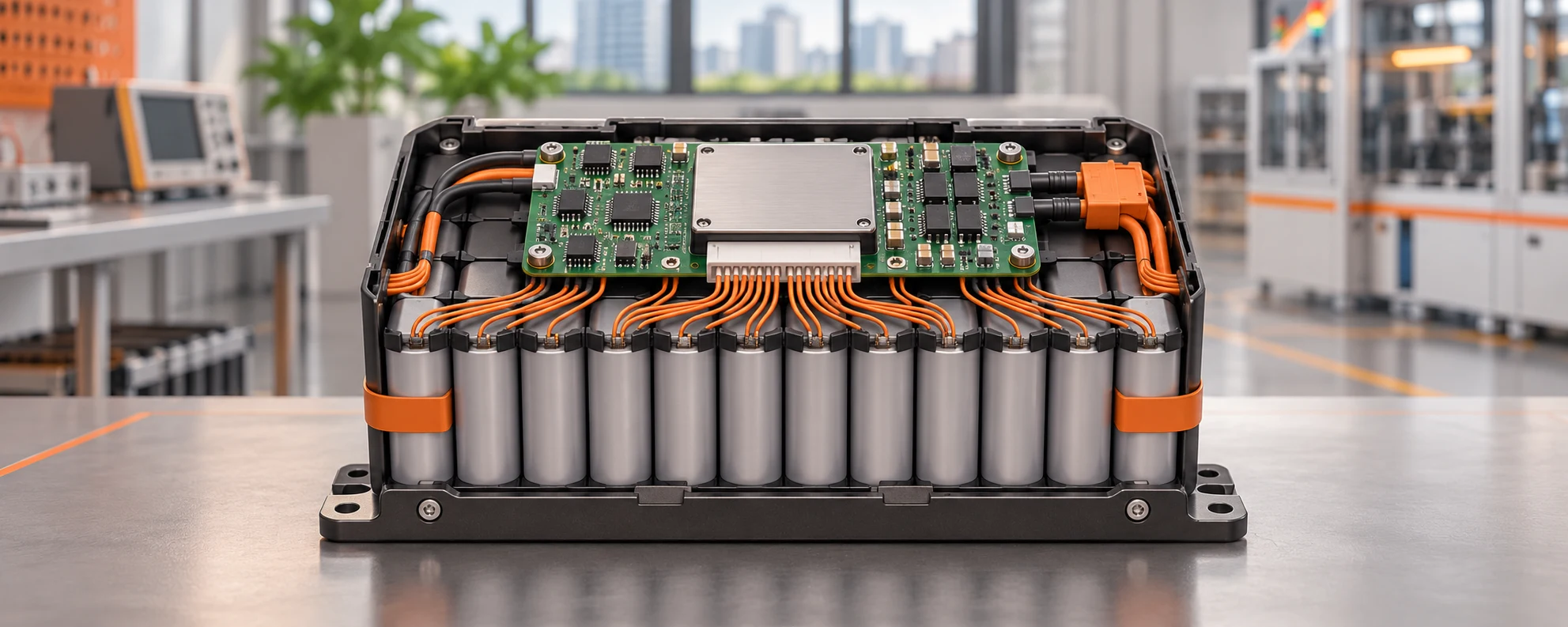
Single centralized BMS board managing all cells of a compact battery pack

Centralized

One board manages all cells.

Suits packs with few cells in series
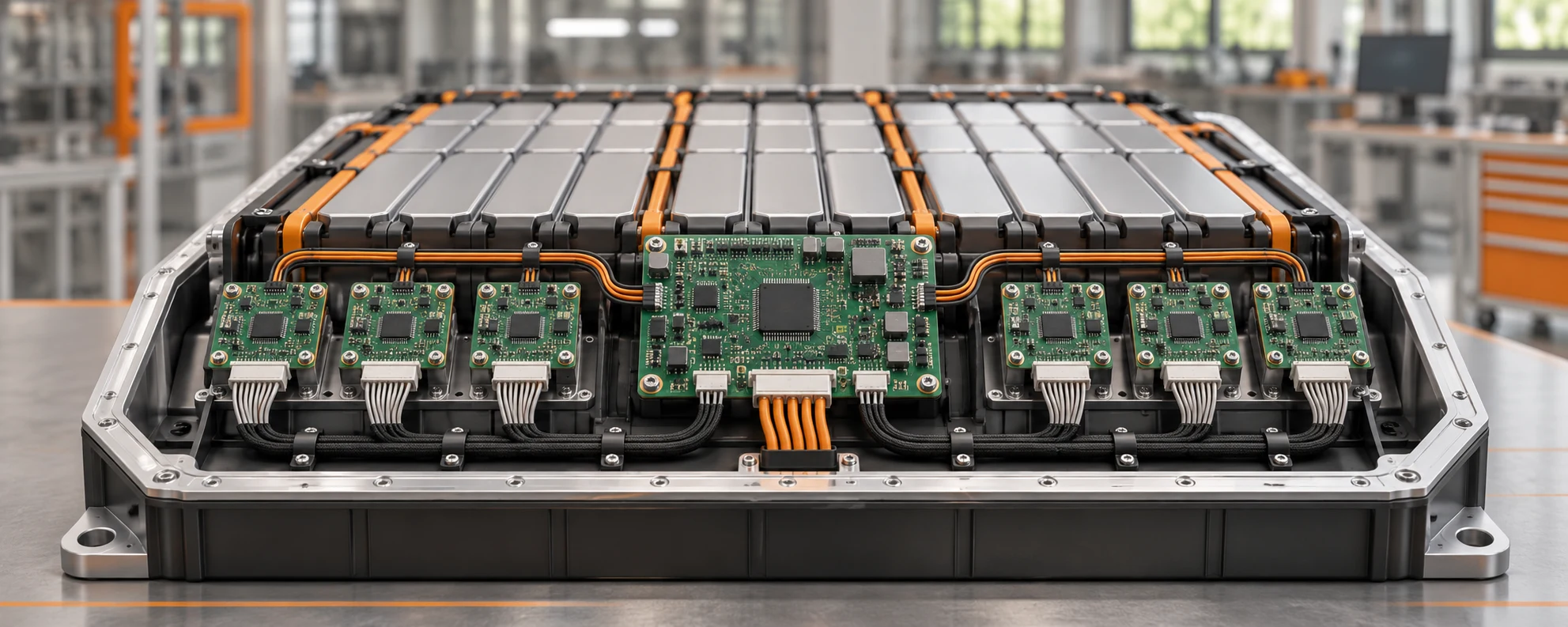
Modular BMS with several slave boards reporting to a master board in a large battery pack

Modular or distributed

Several boards report to a master.

Suits high-voltage or large packs
Communication

How your pack talks

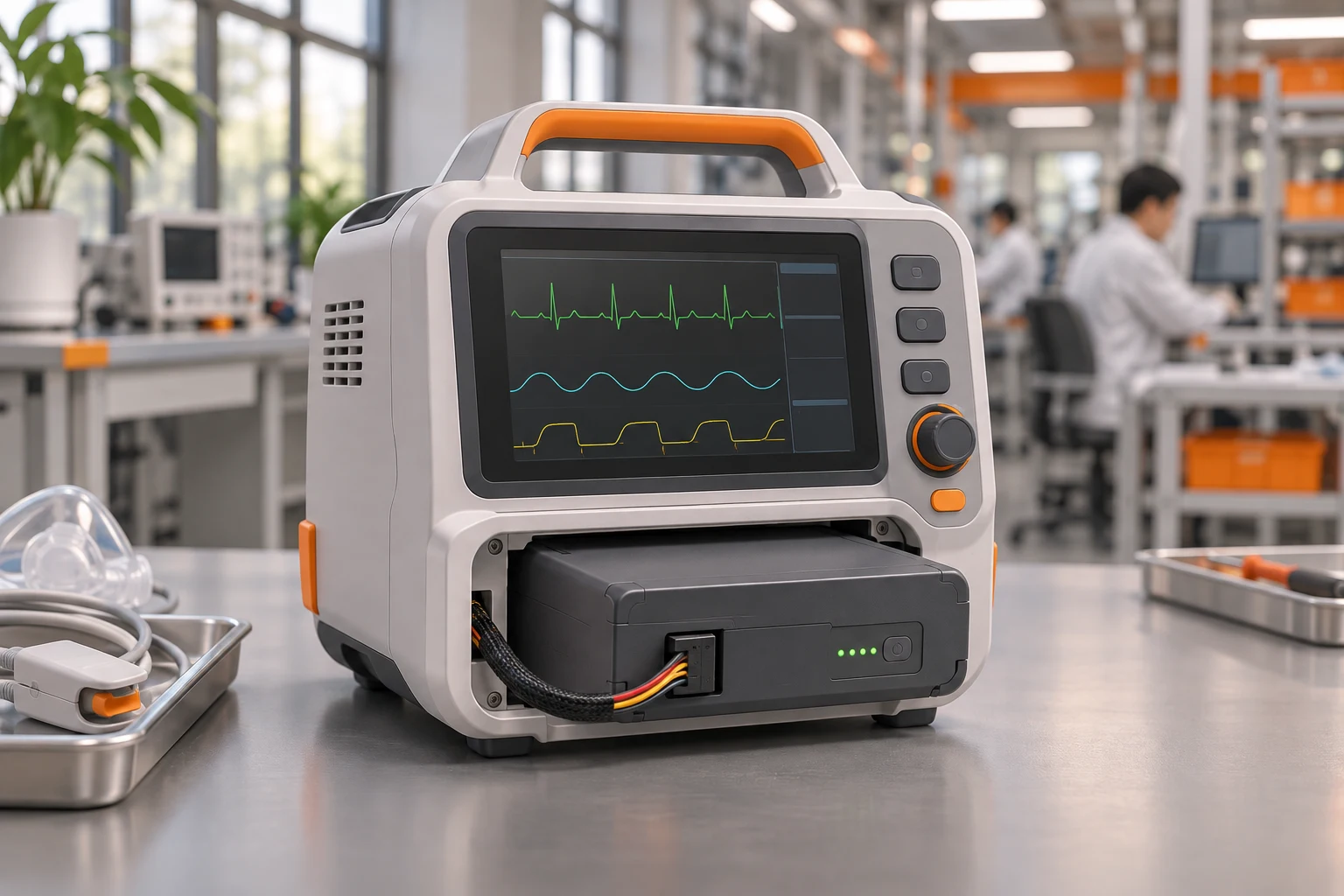
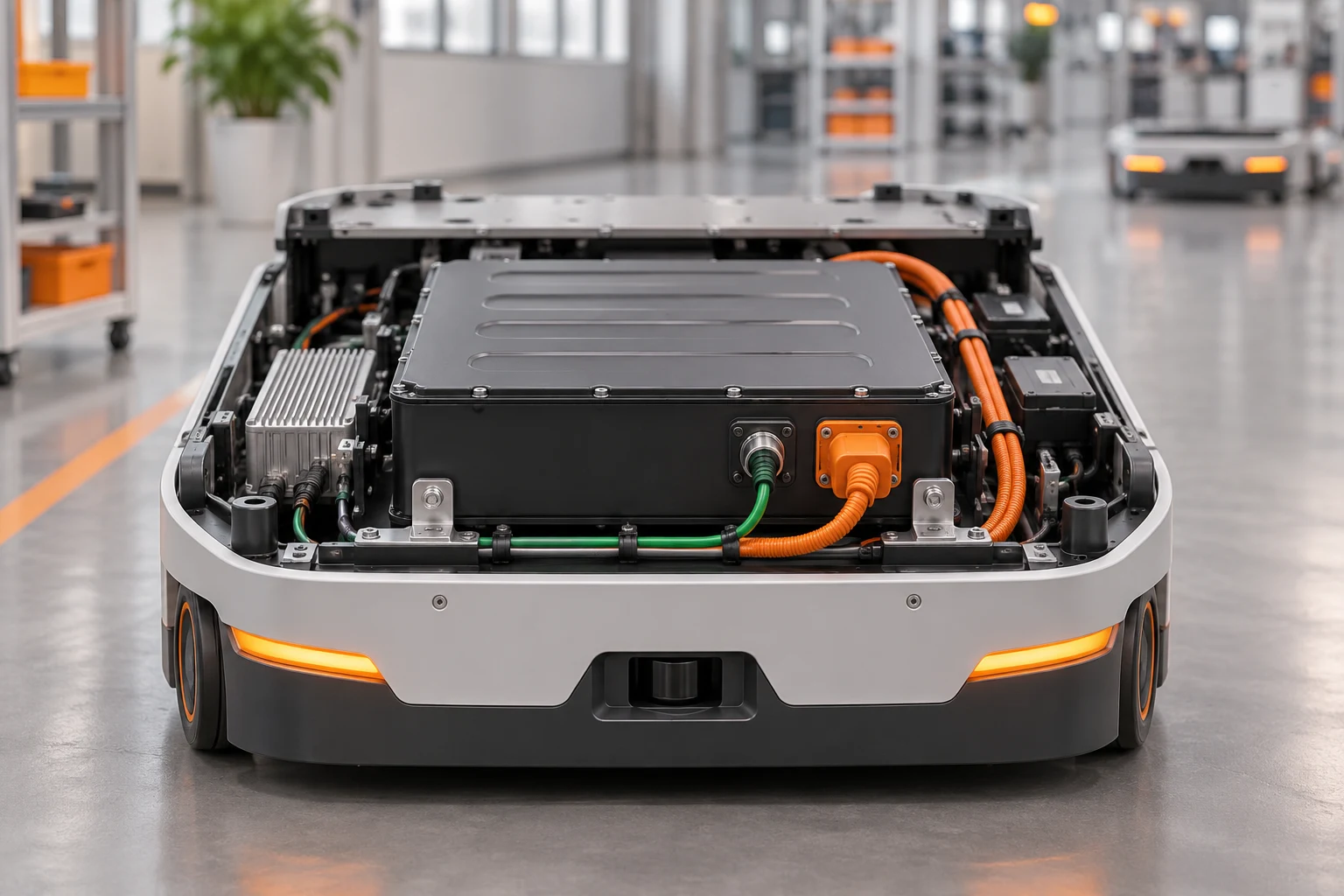
A BMS can talk to your device and charger. These are the common choices. CAN, UART, RS485 and Bluetooth can be set up to your requirement.
Specify your BMS

What we need to specify a BMS

The protection design interacts with the safety standard your product must pass, so tell us the market too.

BMS specificationSend to an engineer
01Cell chemistry and cells in series and parallelYour value
02Maximum continuous and peak discharge currentYour value
03Charge voltage and charger typeYour value
04Operating temperature rangeYour value
05Communication interface and any charge-level displayYour value
06Standards and target marketsYour value
IEC 62133

Safety of portable lithium cells and batteries. IEC 62133 documents are available from us.

UN38.3

Transport tests for lithium batteries. UN38.3 documents are available from us.

UL 2054
IEC 62619

Other standards depend on the market and the product. Tell us your target market.

How much does a BMS cost?

It depends on the number of series cells, the current, and whether the pack has balancing, a fuel gauge and communication. A basic protection board is the lowest cost. We quote the pack as a whole. Cost and MOQ

FAQ

Frequently asked questions

It is the electronics that monitor and protect the cells, and balance them so the pack stays safe over many cycles.

Most do. Lithium cells must stay within a safe voltage, current and temperature window, and the BMS enforces it.

Yes, when the pack has a fuel gauge and a communication interface such as SMBus or CAN.

Yes. We set them from the cell datasheet and your peak current, and confirm them on samples.

LiFePO4 uses lower voltage limits than Li-ion, so the BMS must be set for that chemistry. Tell us the chemistry and cell count.

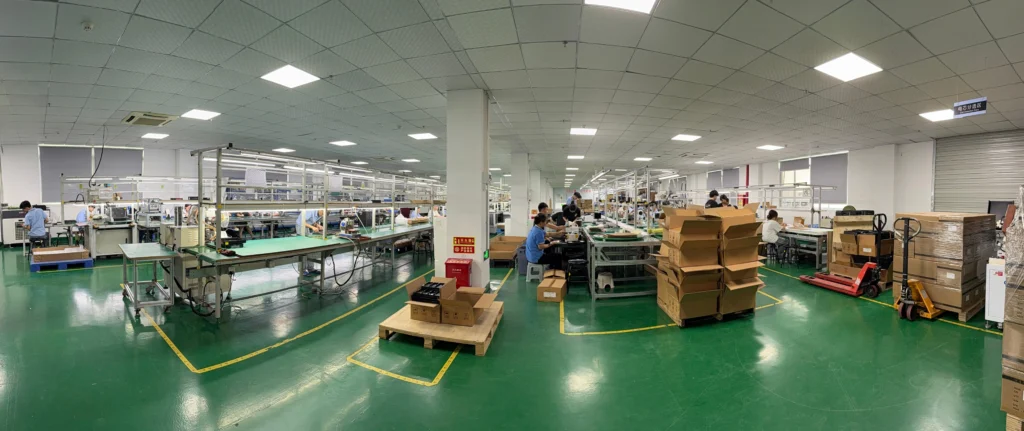
BMS boards being assembled at Jetray

Need a BMS for your pack?

Send your cell count, current and interface. Get a reply within 24 hours.

Scroll to Top