























Custom lithium battery packs for device makers · Made in Shenzhen, shipped worldwide

sale1@jetray.cnEngineer reply within 24 h
01 / 07

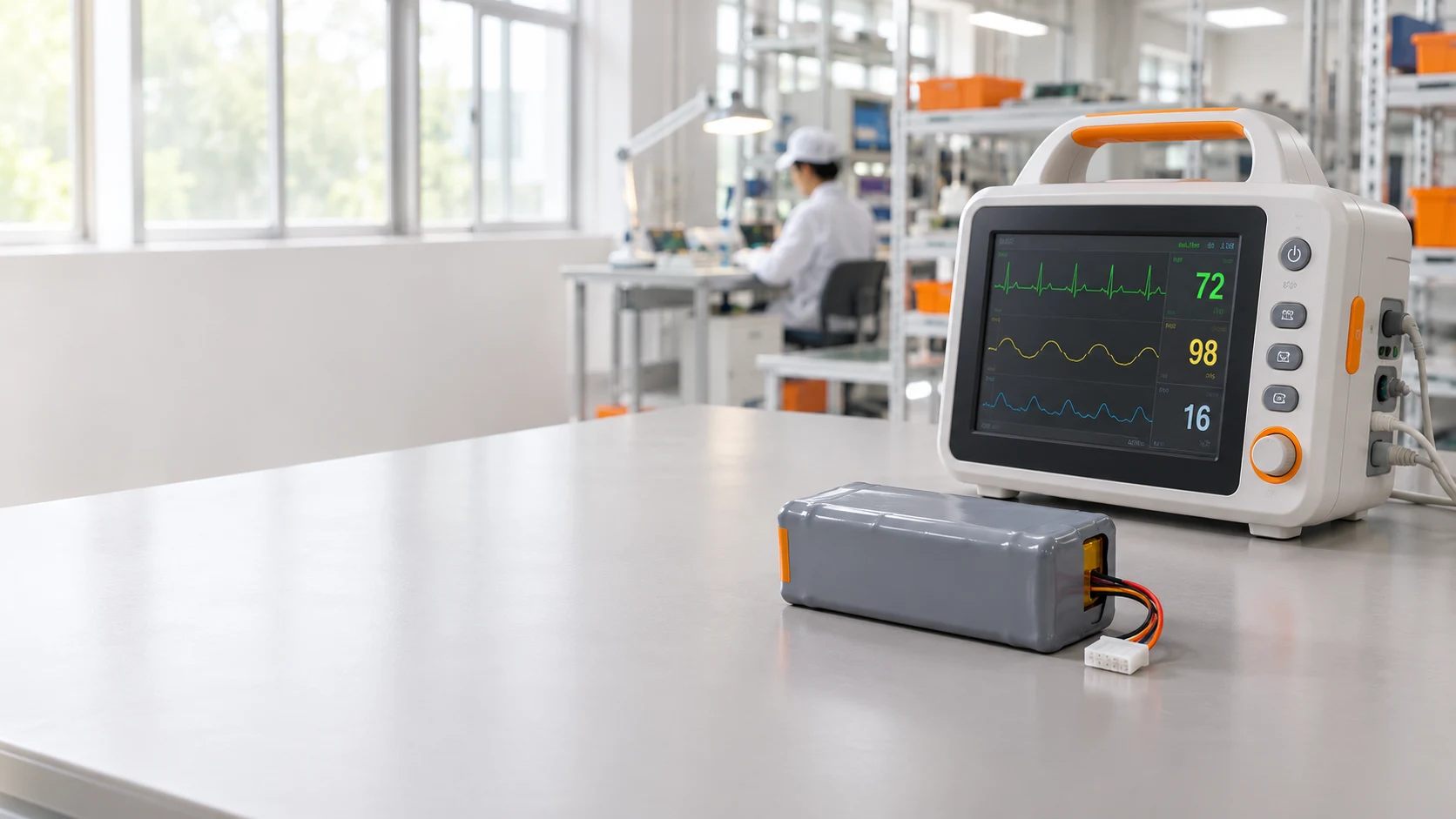
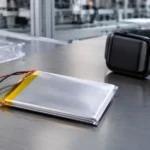
Medical Device Batteries

Custom lithium battery packs for portable medical devices.

Explore medical device
Not sure where your product fits? An engineer replies within 24 hours.All industries Send your spec
01 / 05

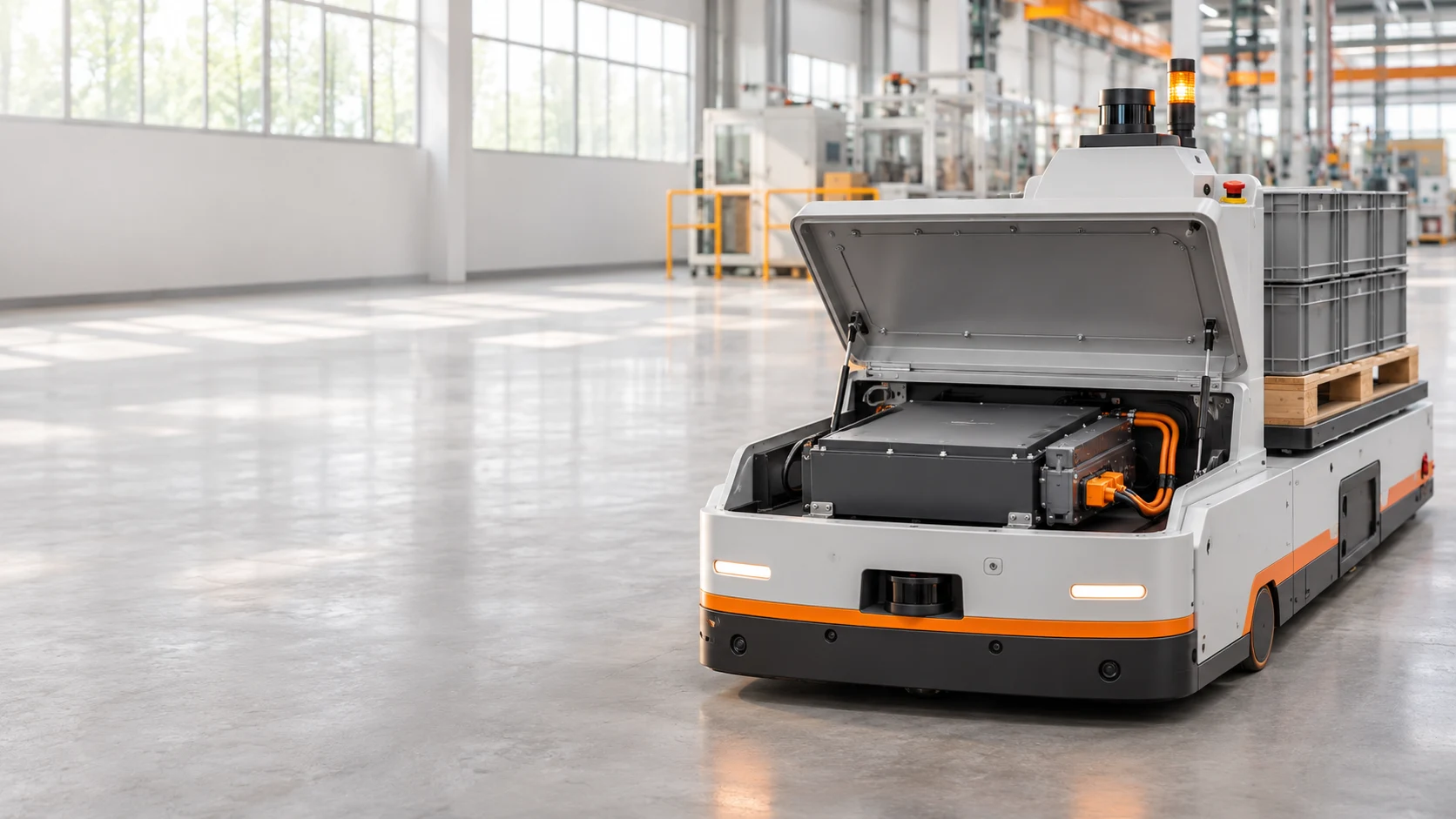
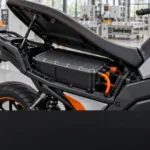
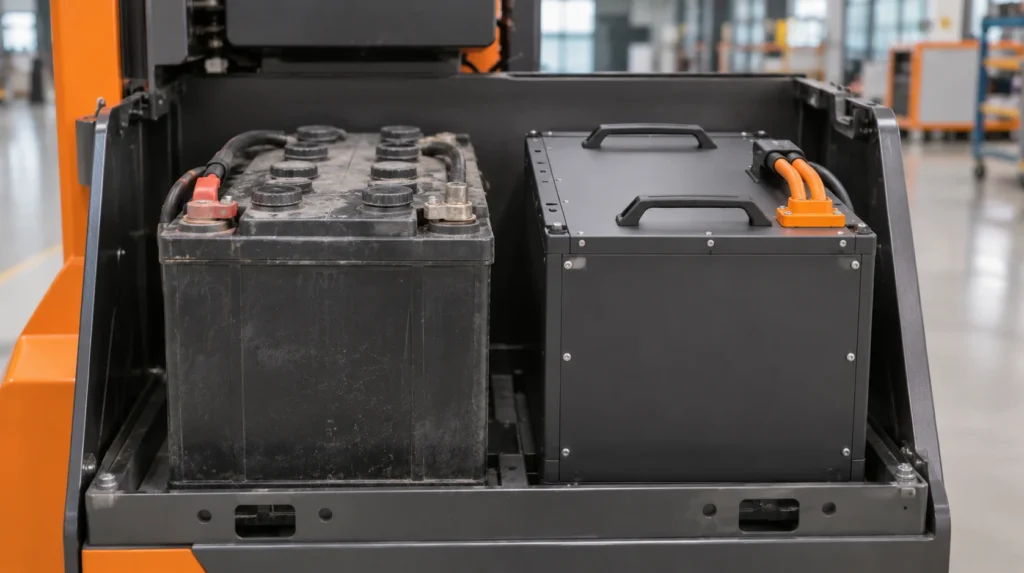
Replacement Battery Packs

Custom lithium replacement packs for lead-acid batteries and light EVs.

Explore replacement
Not sure which product fits? An engineer replies within 24 hours.All products Send your spec
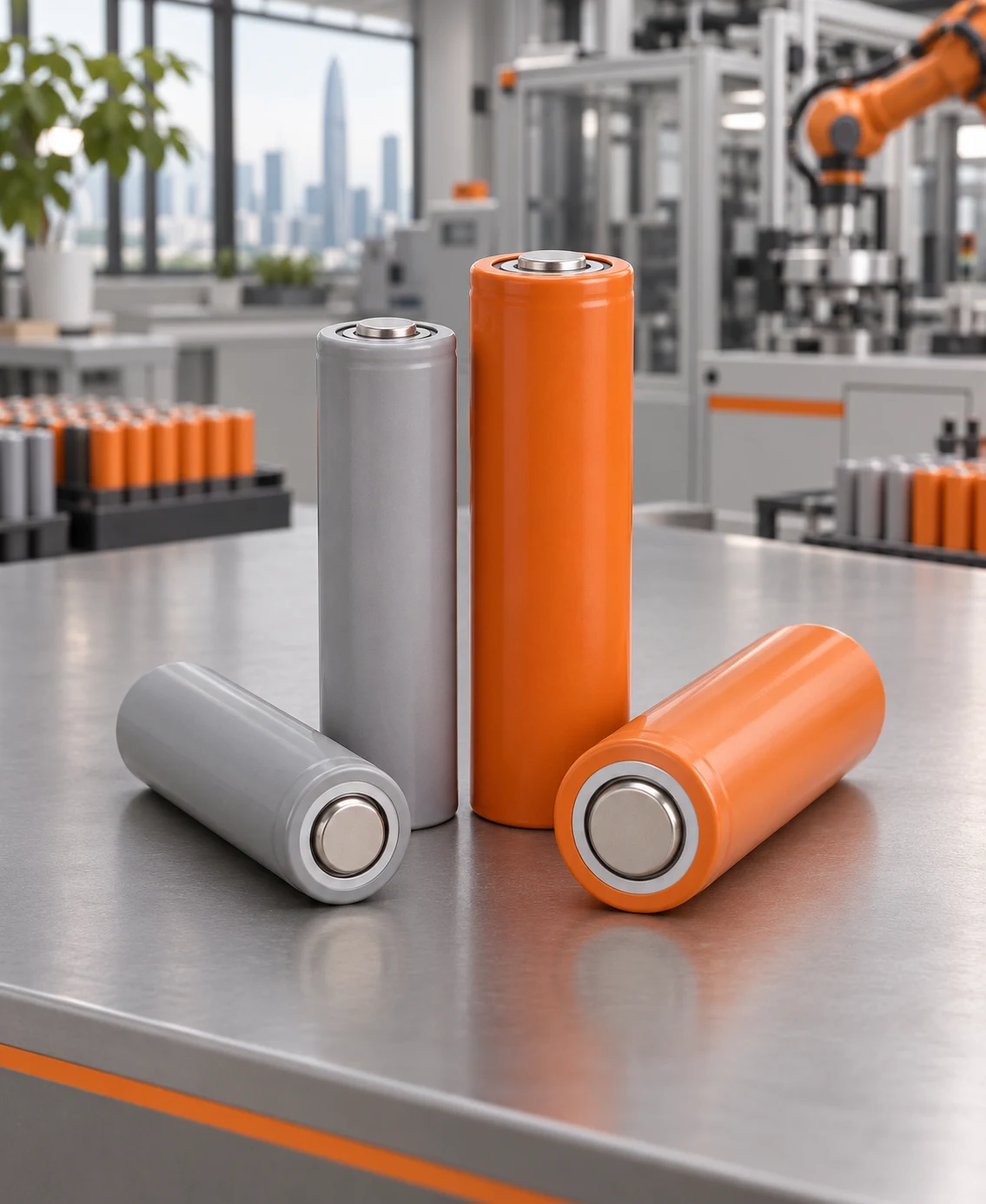
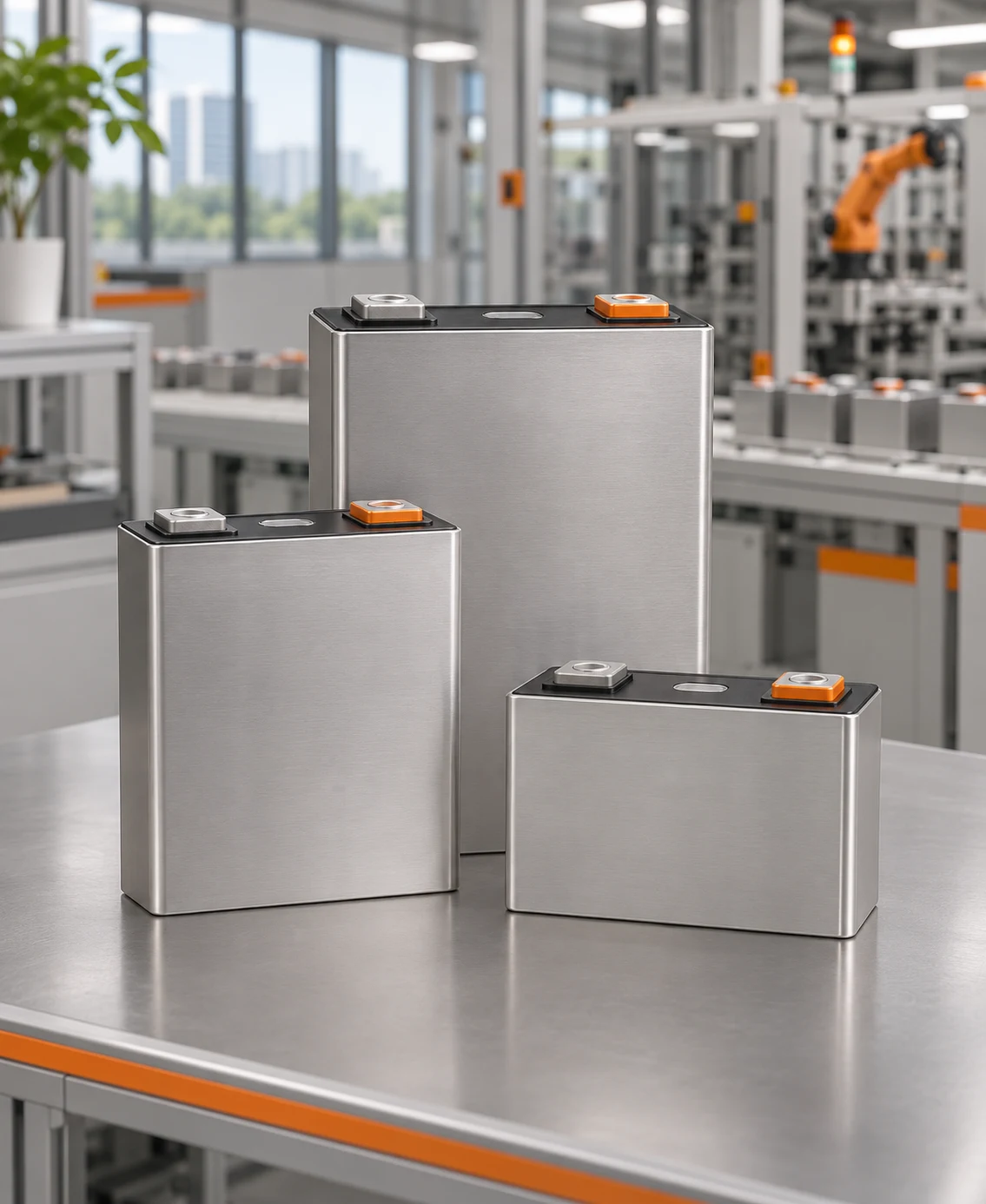
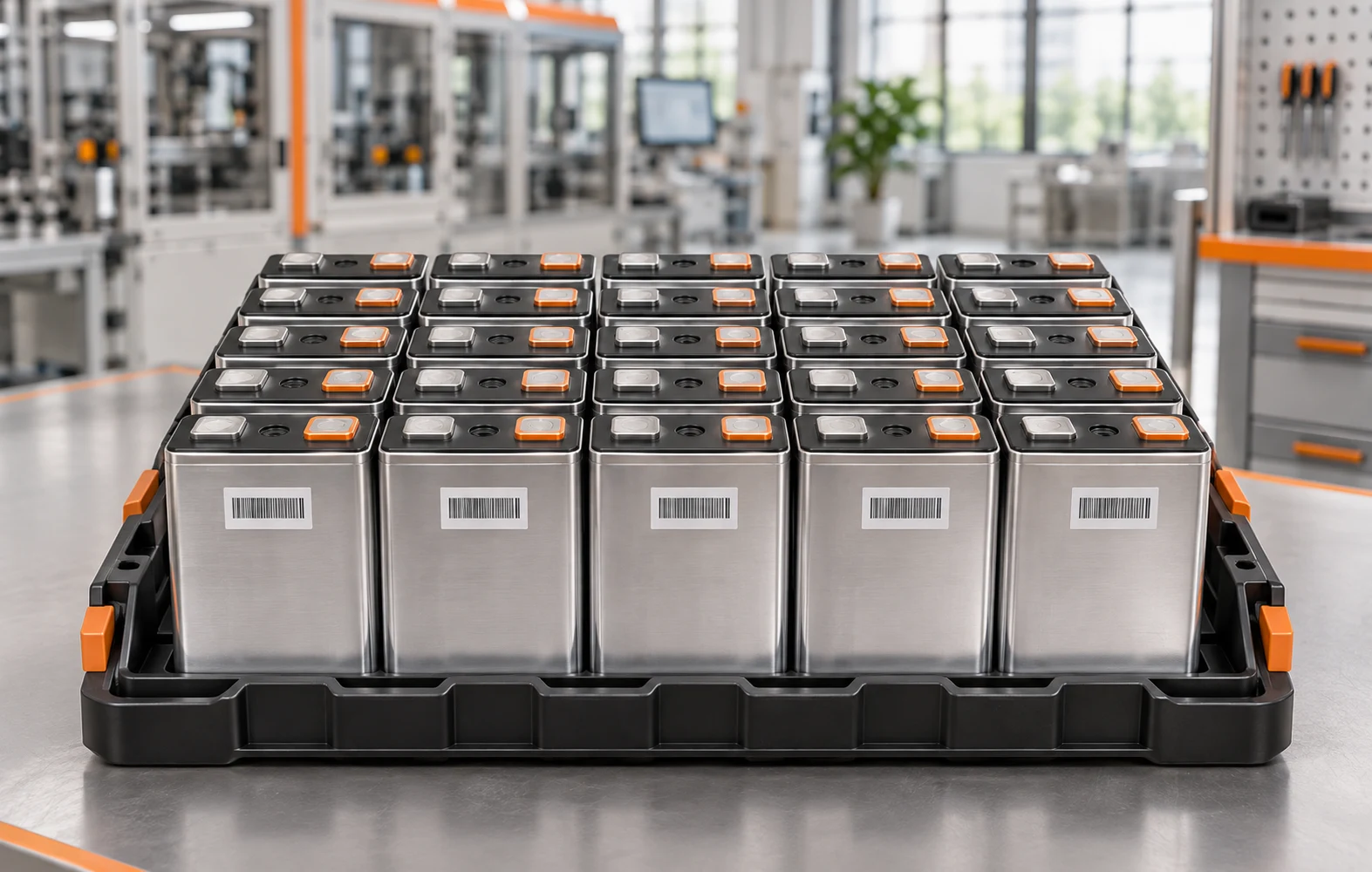
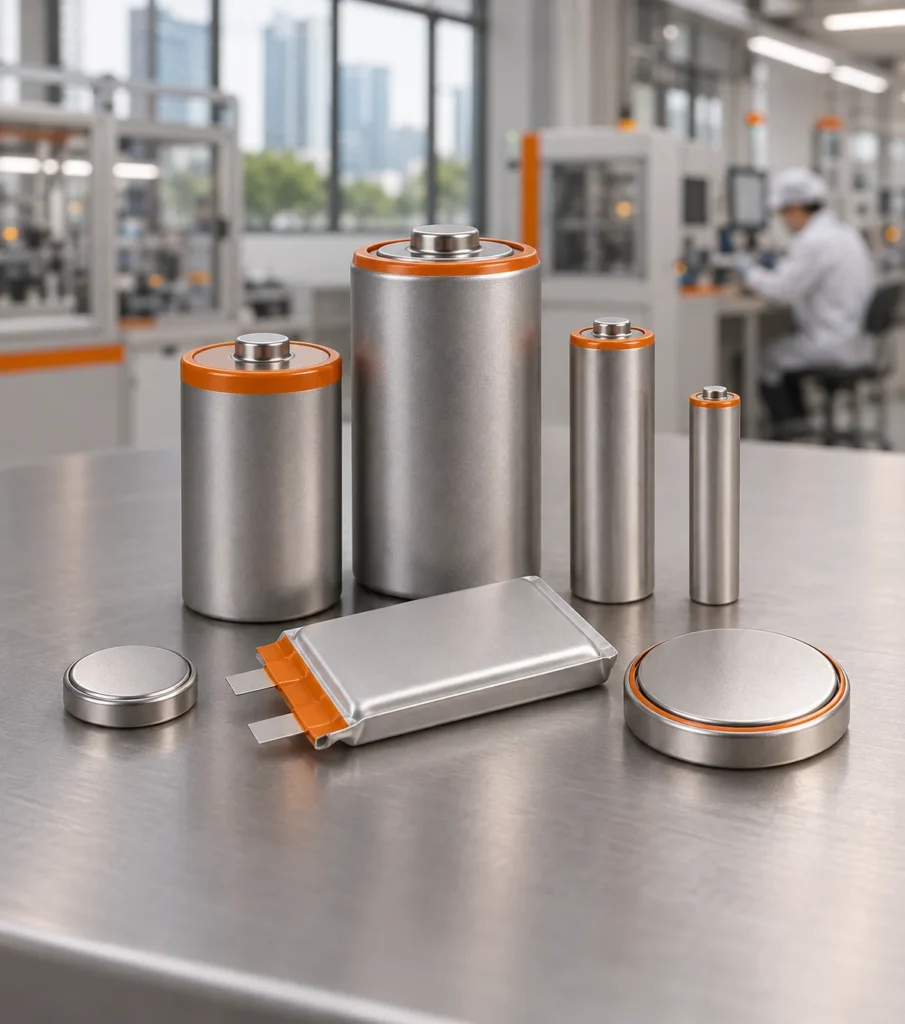
Lithium battery cells of different formats prepared for custom pack assembly
Custom Solutions

Battery Cell Selection and Sourcing

The right cell depends on how much energy you need, how much current you draw, how much space you have and how safe the pack must be. We select the cell for your device and source it for the pack.

Engineer replyWithin 24 hours
Step 1 of 4

Choose the chemistry

Each chemistry trades energy, life and shape differently. Tell us what matters most and we show the usual fit.

What matters most in your device?
Usual fit
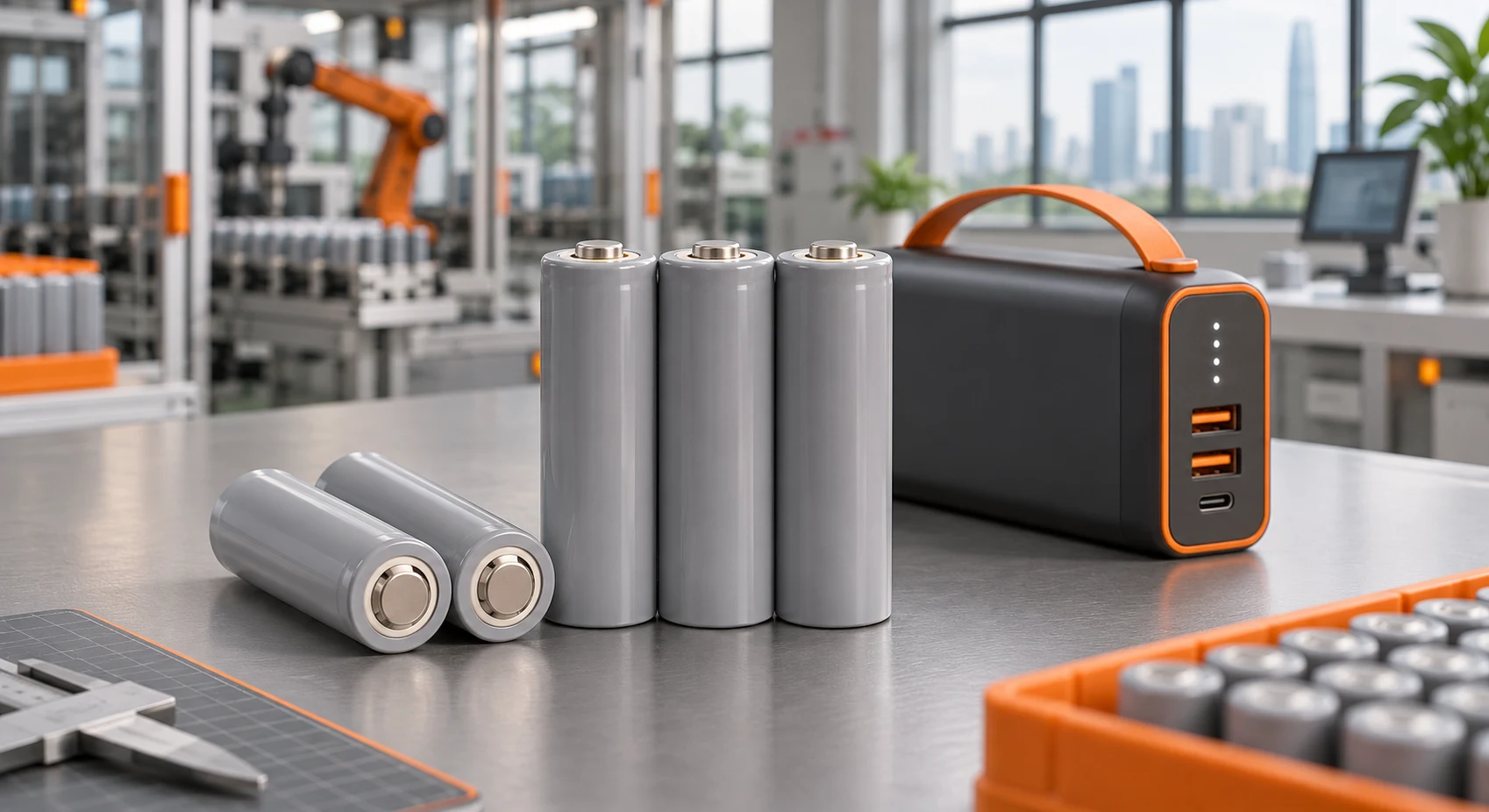
Cylindrical Li-ion NMC cells for a compact portable battery pack

Li-ion (NMC / NCA)

about 3.6–3.7 Vnominal per cell
Energy density
Cycle life
Shape freedom
Abuse tolerance

Strengths: High energy in a small, light pack.

Trade-offs: Needs careful protection; less tolerant of abuse than LiFePO4.

Typical fit: Compact or portable devices
Usual fit
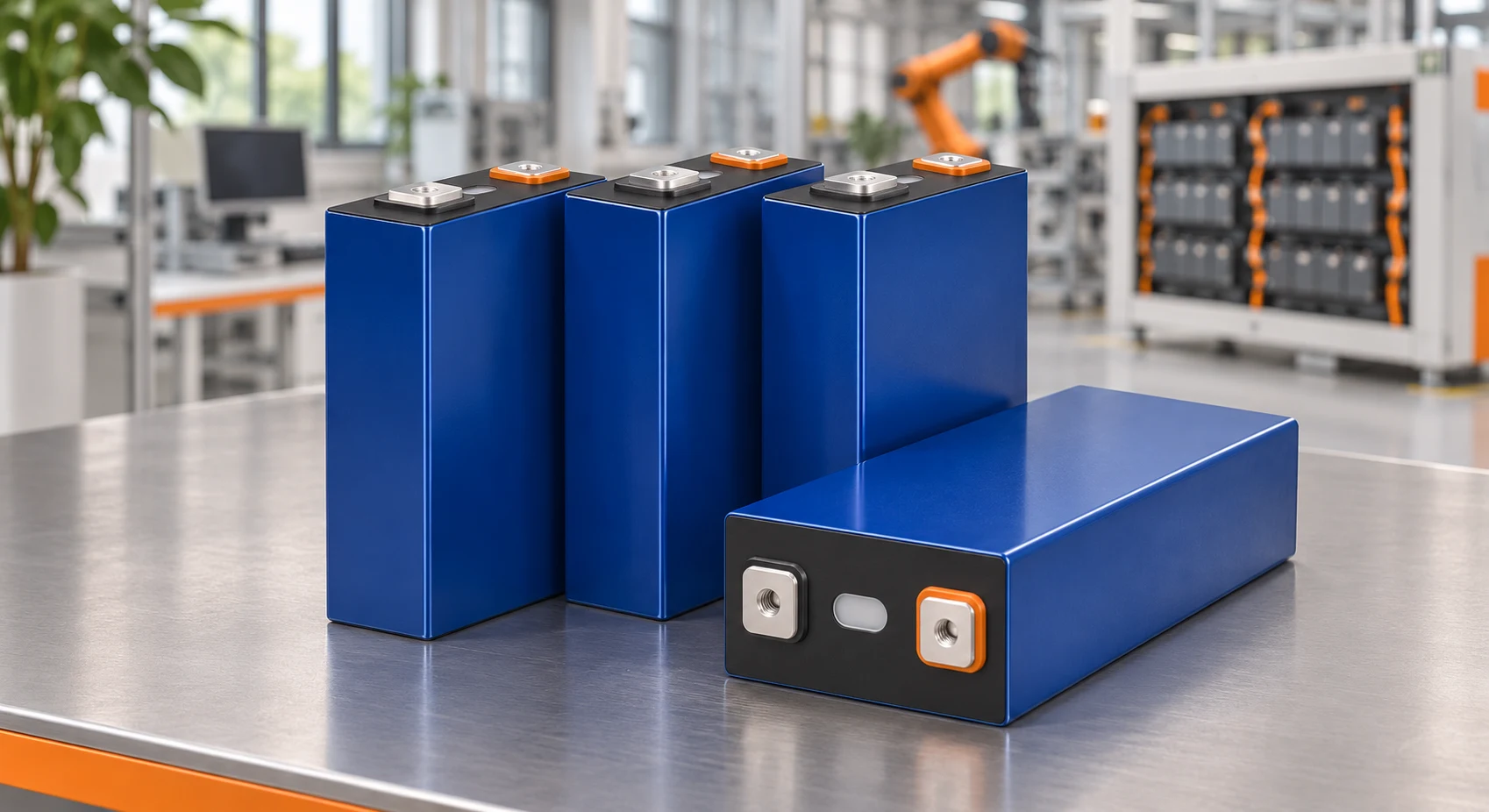
LiFePO4 prismatic cells for an energy storage battery

LiFePO4

3.2 Vnominal per cell
Energy density
Cycle life
Shape freedom
Abuse tolerance

Strengths: Long cycle life, stable chemistry.

Trade-offs: Lower energy per kg and per litre.

Typical fit: Robots, AGVs and energy storage
Usual fit
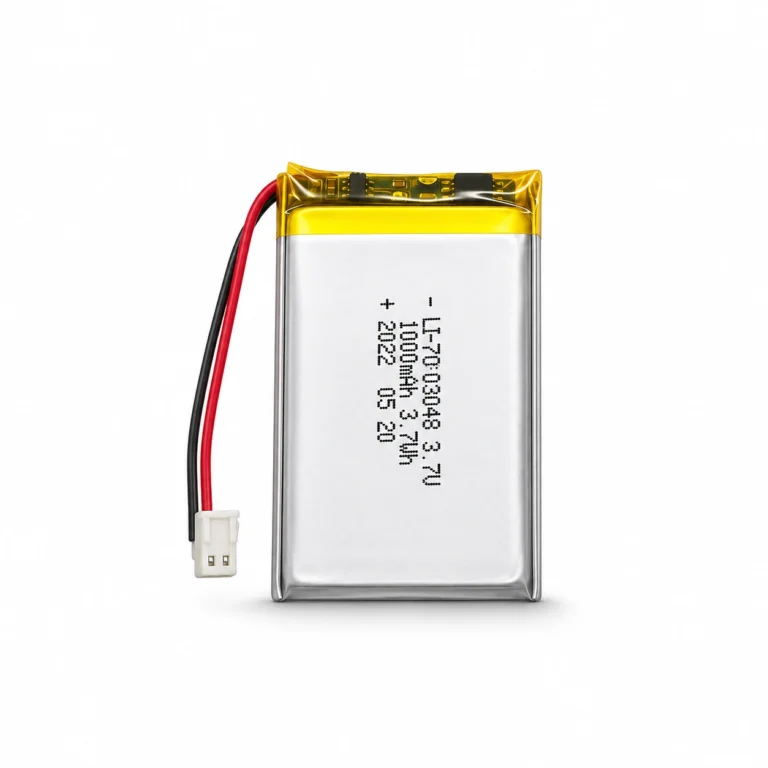
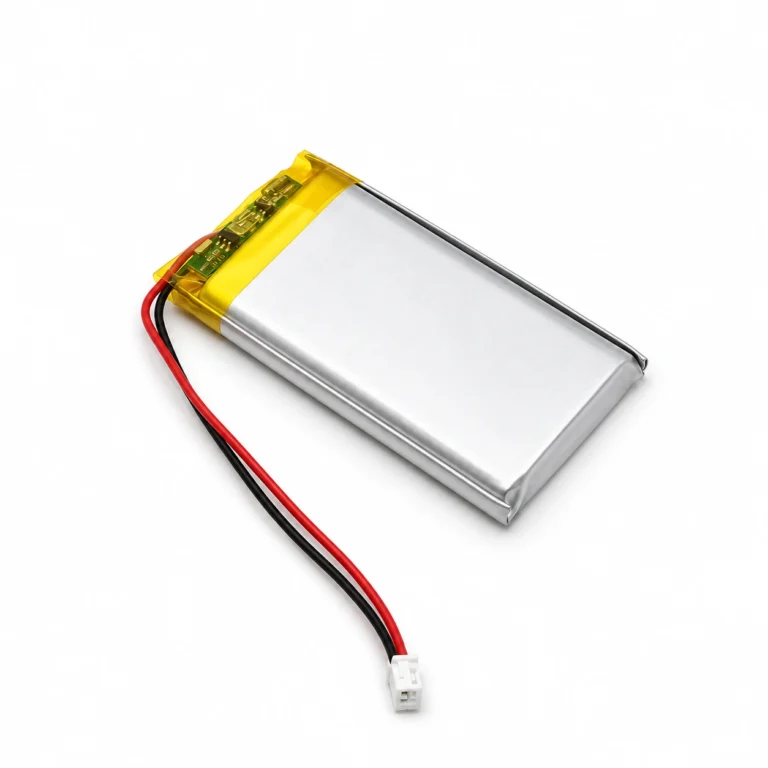
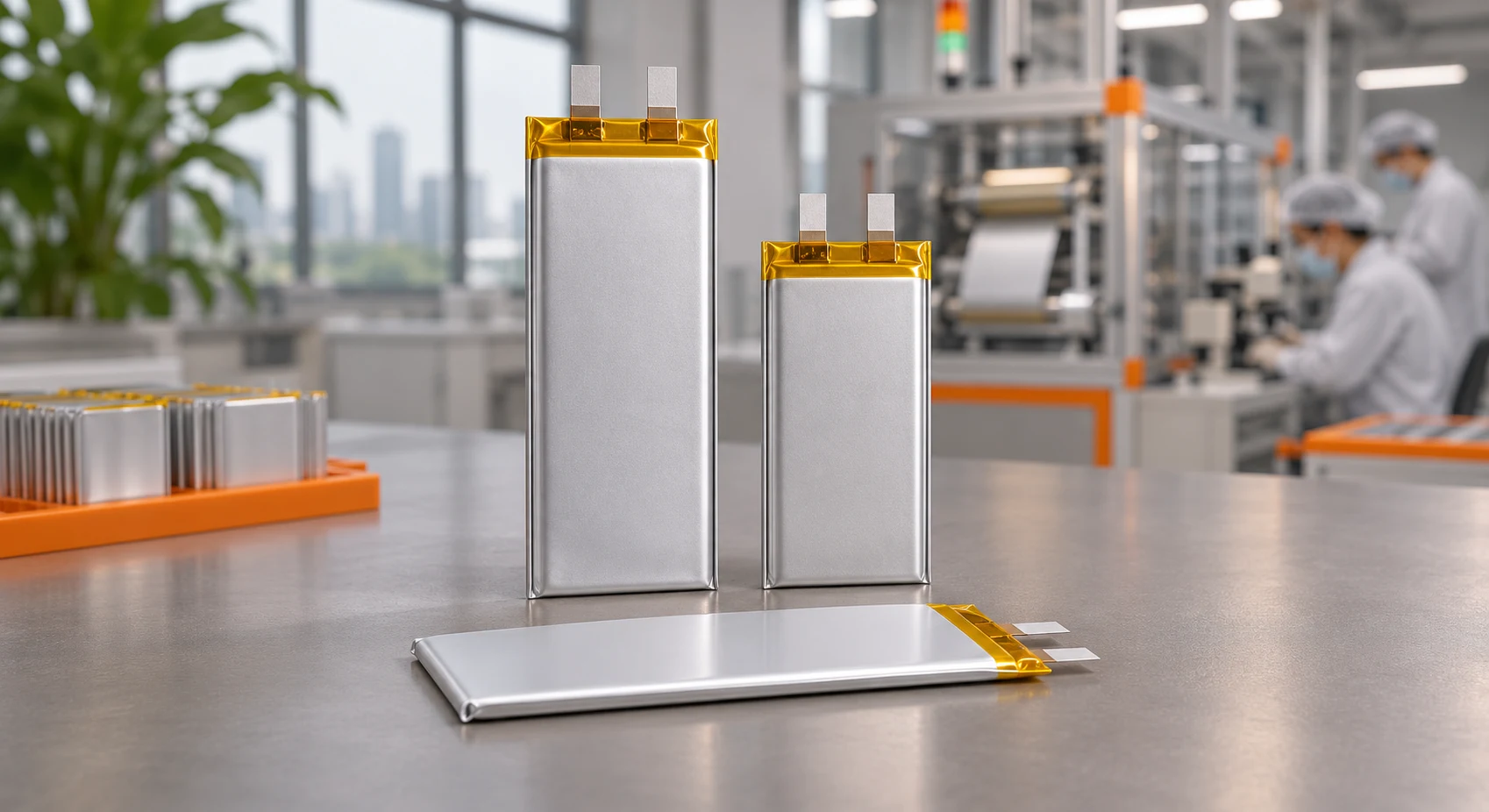
Thin LiPo pouch cells for a slim device

LiPo (pouch)

about 3.7 Vnominal per cell
Energy density
Cycle life
Shape freedom
Abuse tolerance

Strengths: Thin, flexible shapes.

Trade-offs: Needs care against swelling and impact.

Typical fit: Thin or odd-shaped devices
Bars compare the three chemistries with each other, not with an absolute scale.

Products

Cells we source and stock

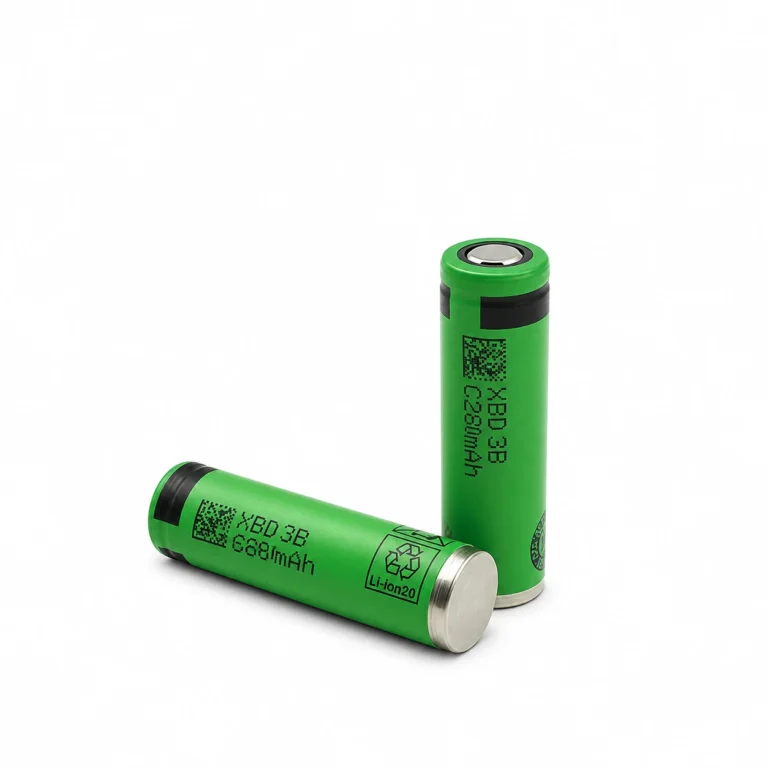
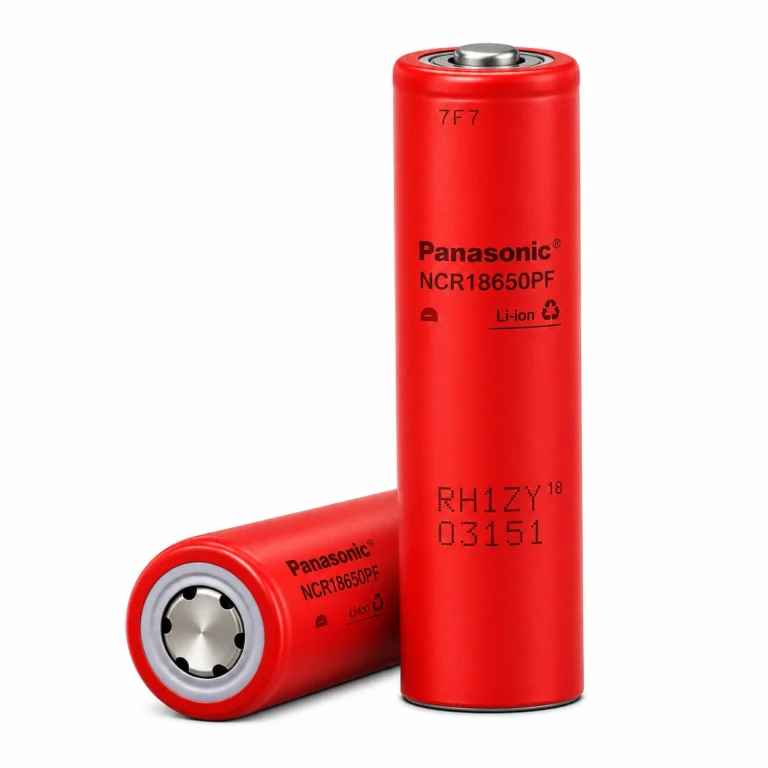
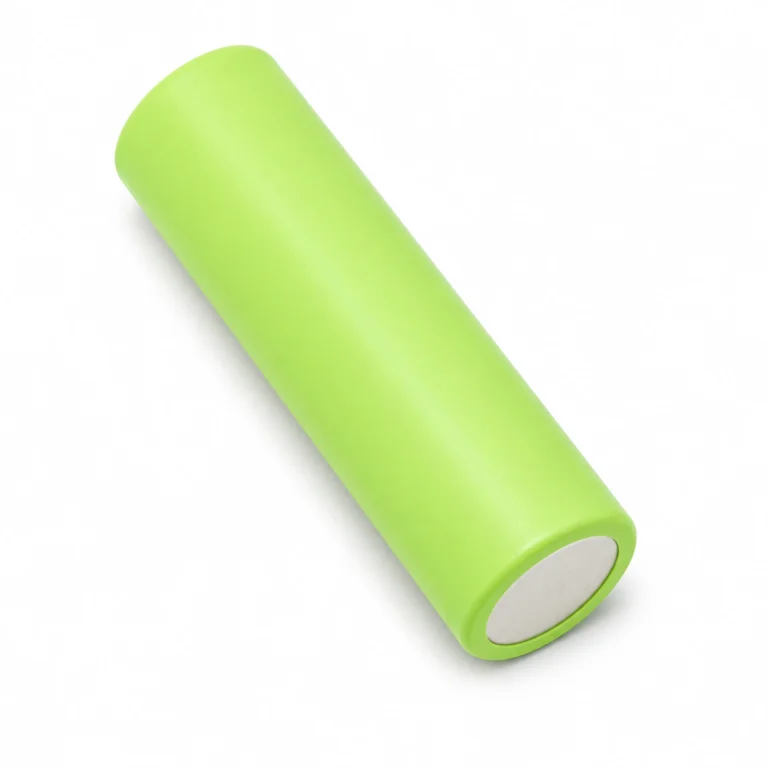
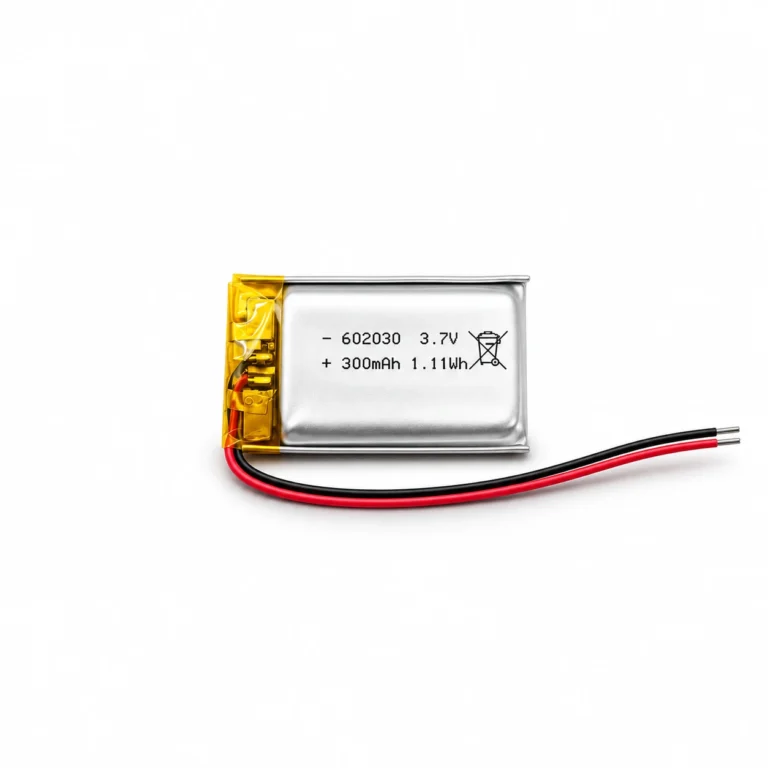
Cylindrical and polymer cells we use in our packs and supply on their own. Tap + to add models to your inquiry list.

View all products
28 products
Step 2 of 4

Choose the cell format

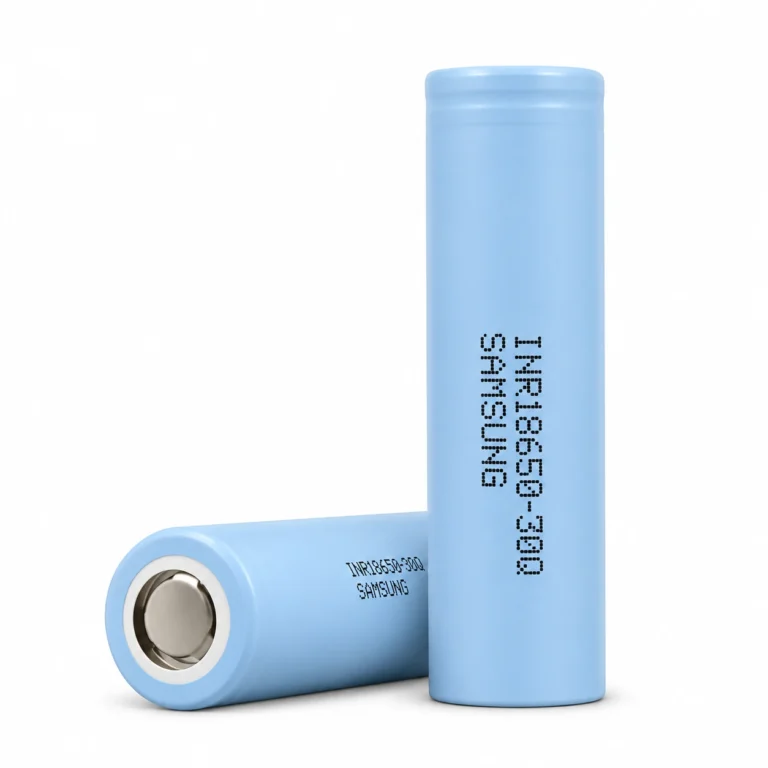
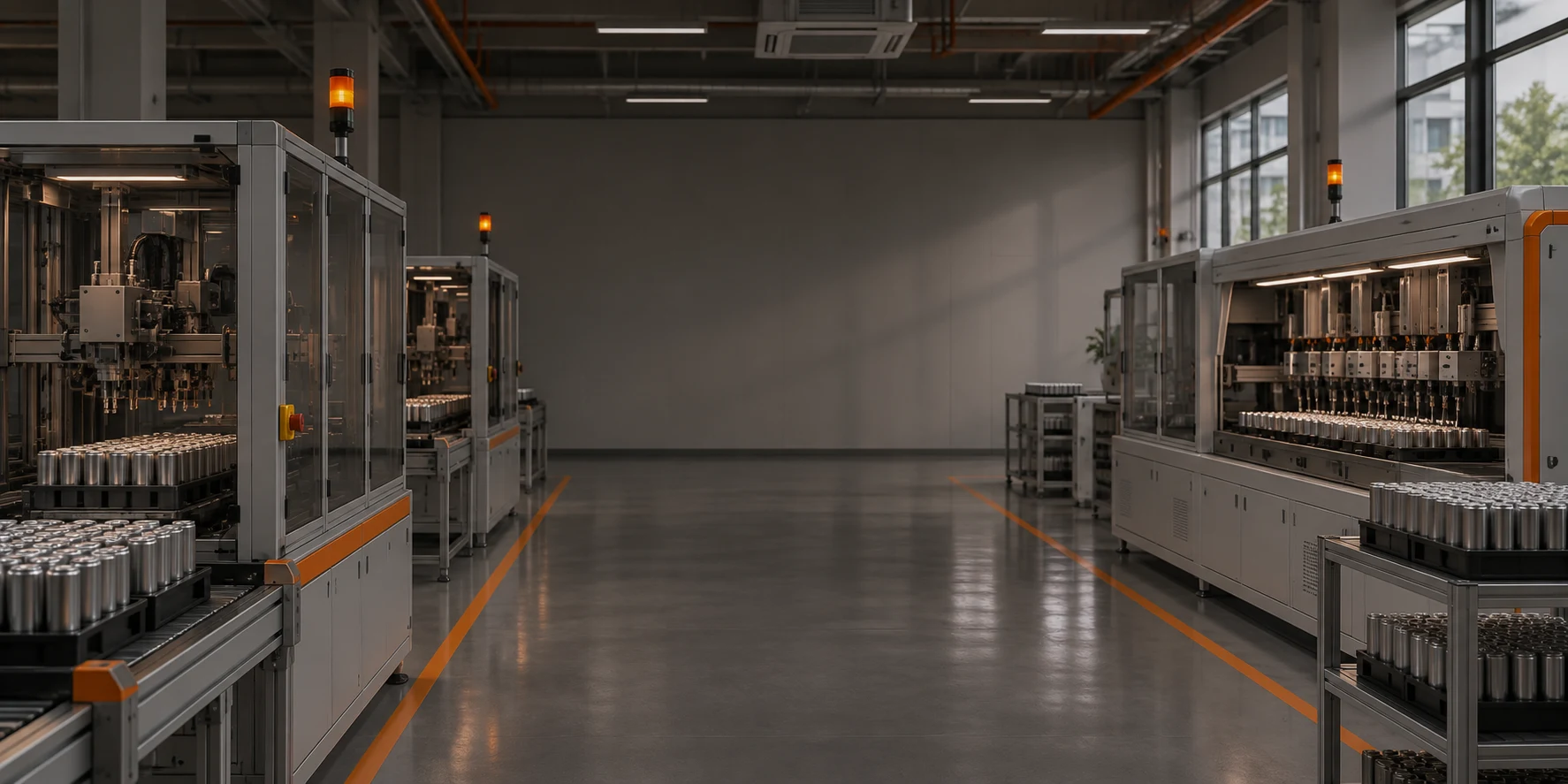
18650 and 21700 cylindrical lithium cells
01

Cylindrical

Standard sizes such as 18650 and 21700, strong supply, easy to arrange into packs.

Prismatic lithium cells in rigid aluminium cases
02

Prismatic

Large capacity in a rigid case, common in storage and industrial packs.

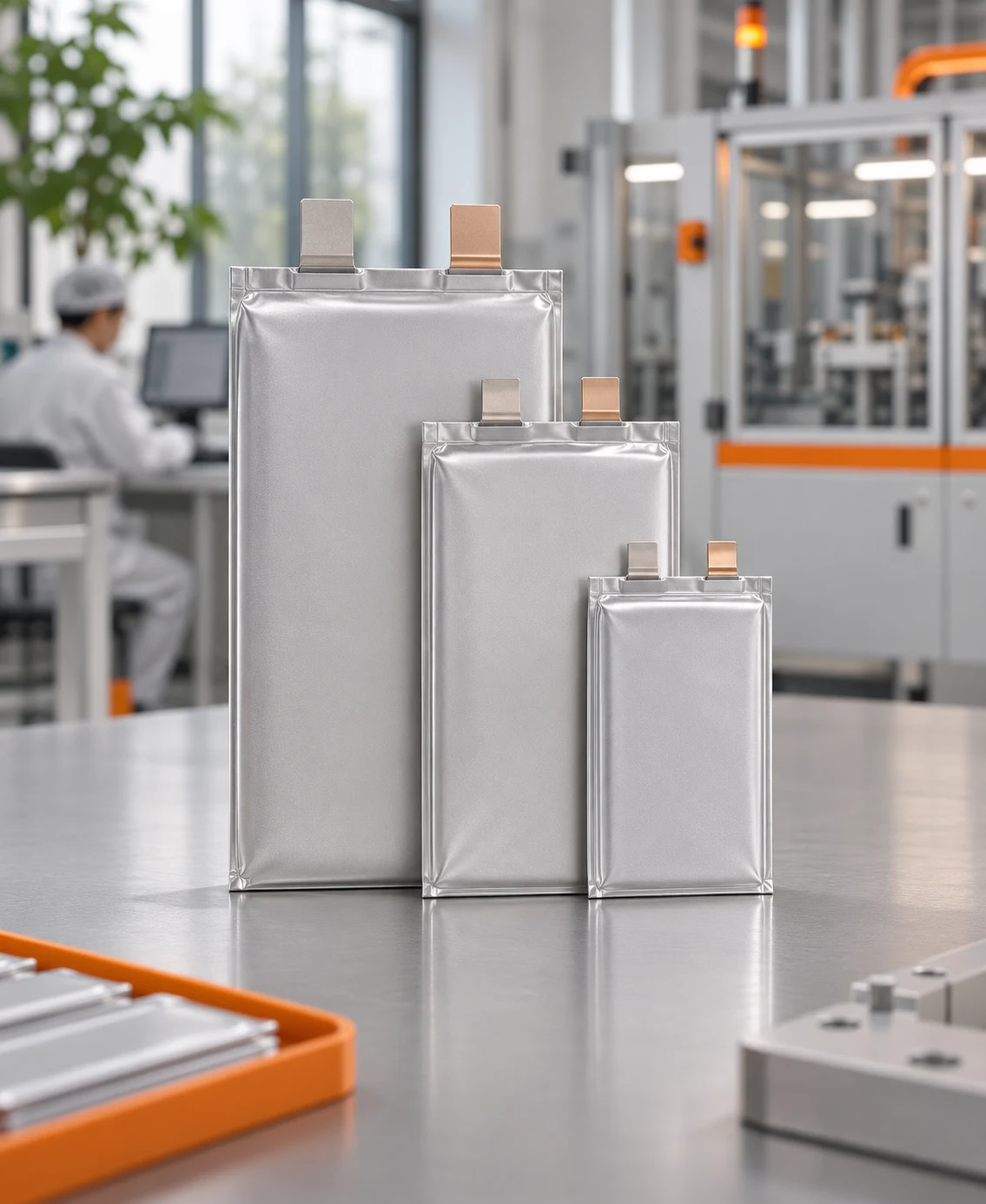
Thin lithium polymer pouch cells
03

Pouch

Thin and light, with a flexible shape.

Lithium coin button cells
04

Button (coin) cell

Small, low-power, long-life devices.

1865018 × 65mm

Smaller and widely available.

2170021 × 70mm

Usually holds more energy, so a pack can use fewer cells.

Cylindrical sizes are named by diameter and length.

Check the exact dimensions on the datasheet before you design the housing.

Step 3 of 4

Match capacity, voltage and current

Three simple checks decide the layout. Try them on the calculator: we check the result against your load before we quote.

V

Voltage

series cells × nominal cell voltage
Ah

Capacity

parallel cells × cell capacity
A

Current

rated continuous discharge × parallel cells > your peak, with margin
Example: 13 Li-ion cells in series gives about 48 V. Four parallel strings of 3 Ah cells gives 12 Ah, or about 576 Wh.
Pack layout · illustrative13S4P
Nominal voltage
Capacity
Energy
Cells

Illustrative only. We confirm the final layout against the cell datasheet and your peak current.

Step 4 of 4

Match cells and check the supply

Cells in one pack should behave alike, and the supply should last as long as your product.

Cells being sorted by capacity and internal resistance
01

Matched cells

Cells in one pack should have close capacity and resistance, so that none works harder than the rest.

Cells from one production batch labelled for a pack order
02

One batch per pack

We source cells of one batch for each pack where possible.

Cell supply planning for long-term battery production
03

Long-term supply

We tell you if a cell is near end of life, so you can plan.

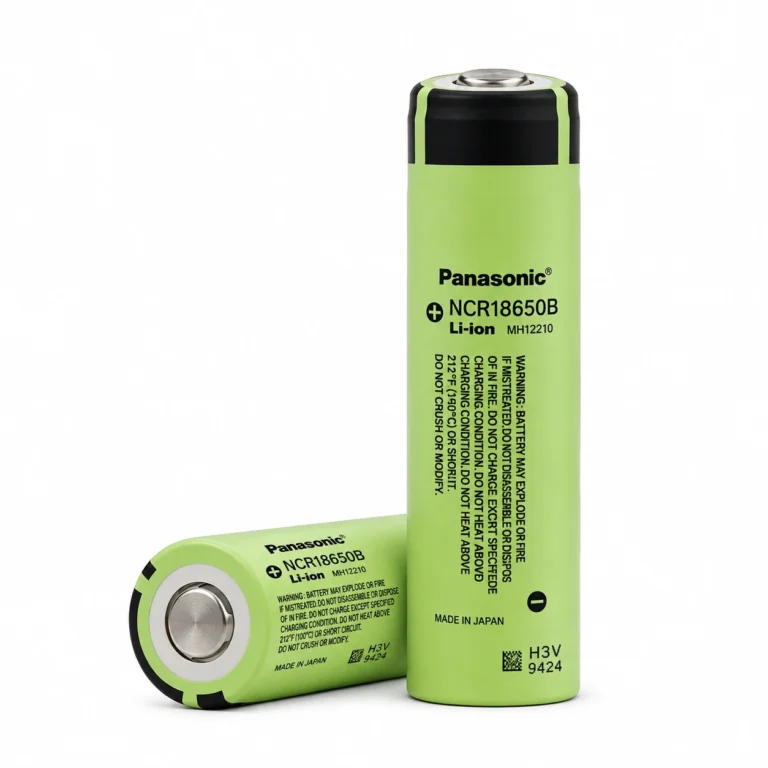
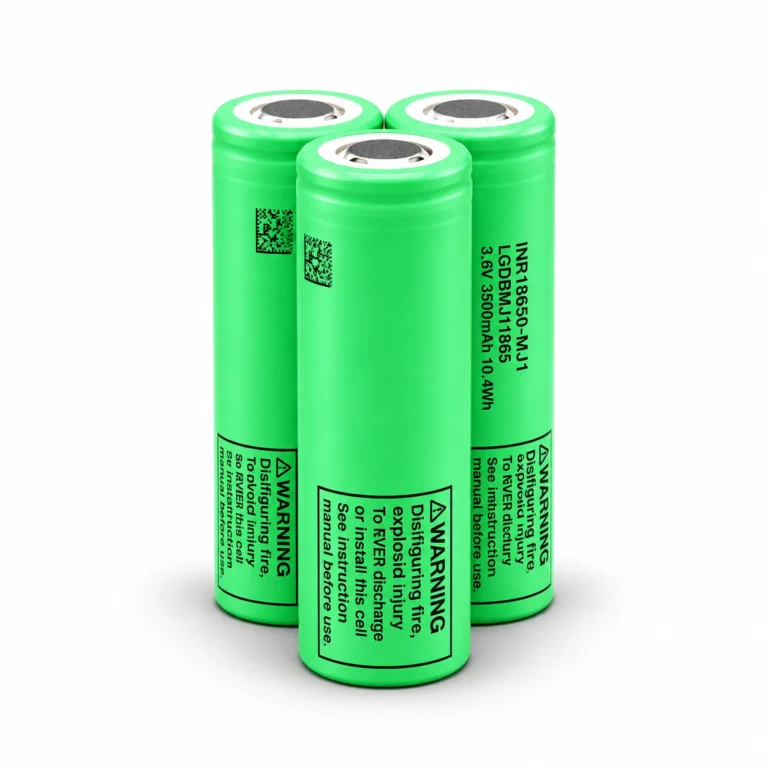
Rechargeable cell brands we can offer include
PanasonicSamsungLGMolicelEVEPanasonicSamsungLGMolicelEVE
What we need from you

Six details to select your cell

Send what you have. Not sure about some items? We help fill in the rest.

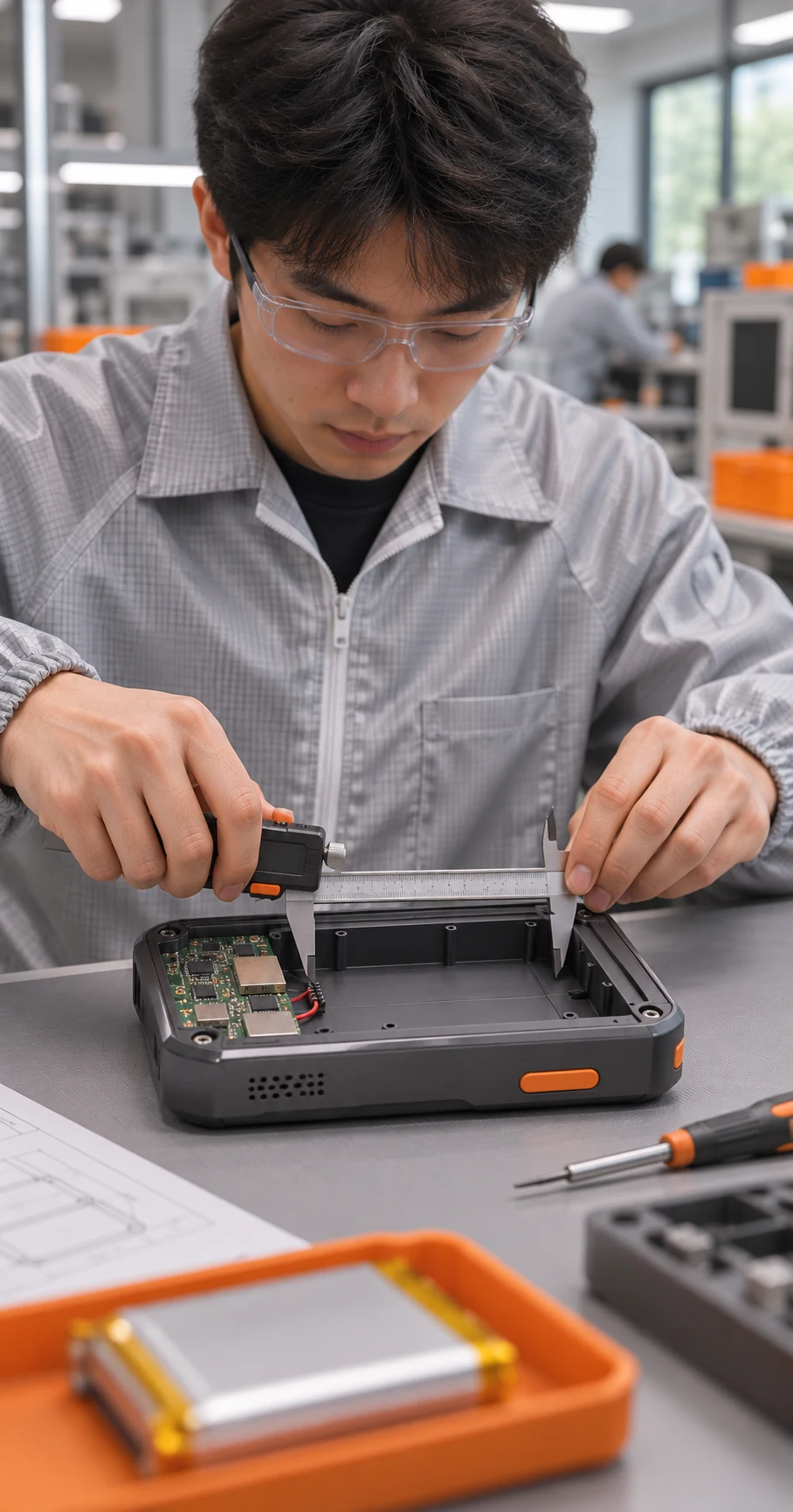
Engineer measuring the battery space inside a customer device
  • 01Voltage, capacity and peak current
  • 02Space for the cells
  • 03Weight limit
  • 04Temperature range
  • 05Preferred cell brand, if you have one
  • 06Required standards
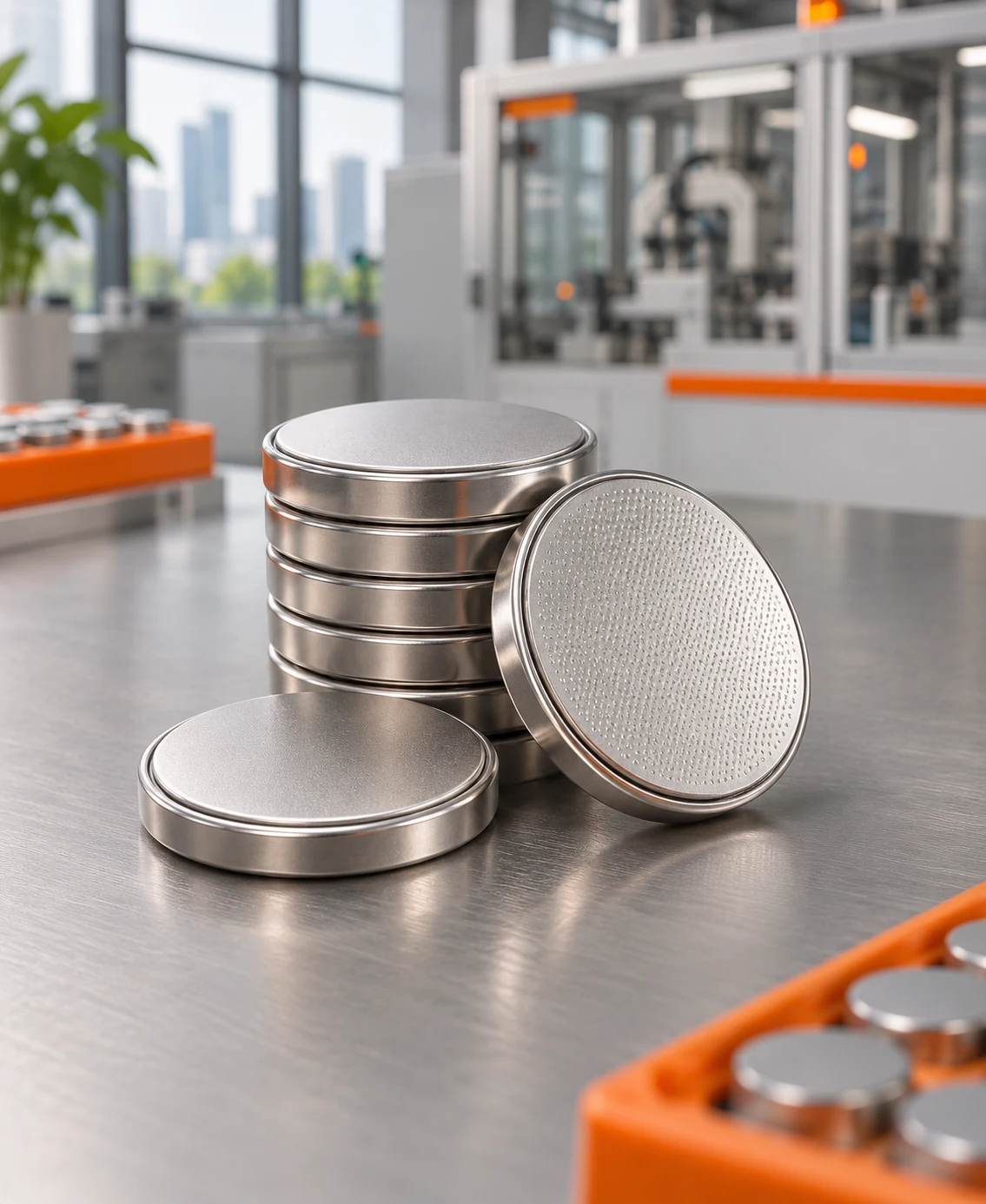
Primary non-rechargeable lithium batteries
Primary (non-rechargeable) cells

Need a cell you do not recharge?

We also supply primary lithium batteries for devices that need a non-rechargeable cell, including micro cells from Panasonic, Maxell, FDK and Seiko.
Ask about primary cells
FAQ

Frequently asked questions

Choose Li-ion when size and weight matter most. Choose LiFePO4 when cycle life and stability matter most, such as for robots and energy storage.

A 21700 cell usually holds more energy, so a pack needs fewer cells. An 18650 is smaller and widely available. The right choice depends on your space and current.

Tell us the brand and model. We confirm whether we can supply it.

Yes. We sell cells separately, and we also select and source cells for the packs we build.

UN38.3, IEC 62133 and MSDS documents are available. Tell us the model and we confirm which ones cover it.
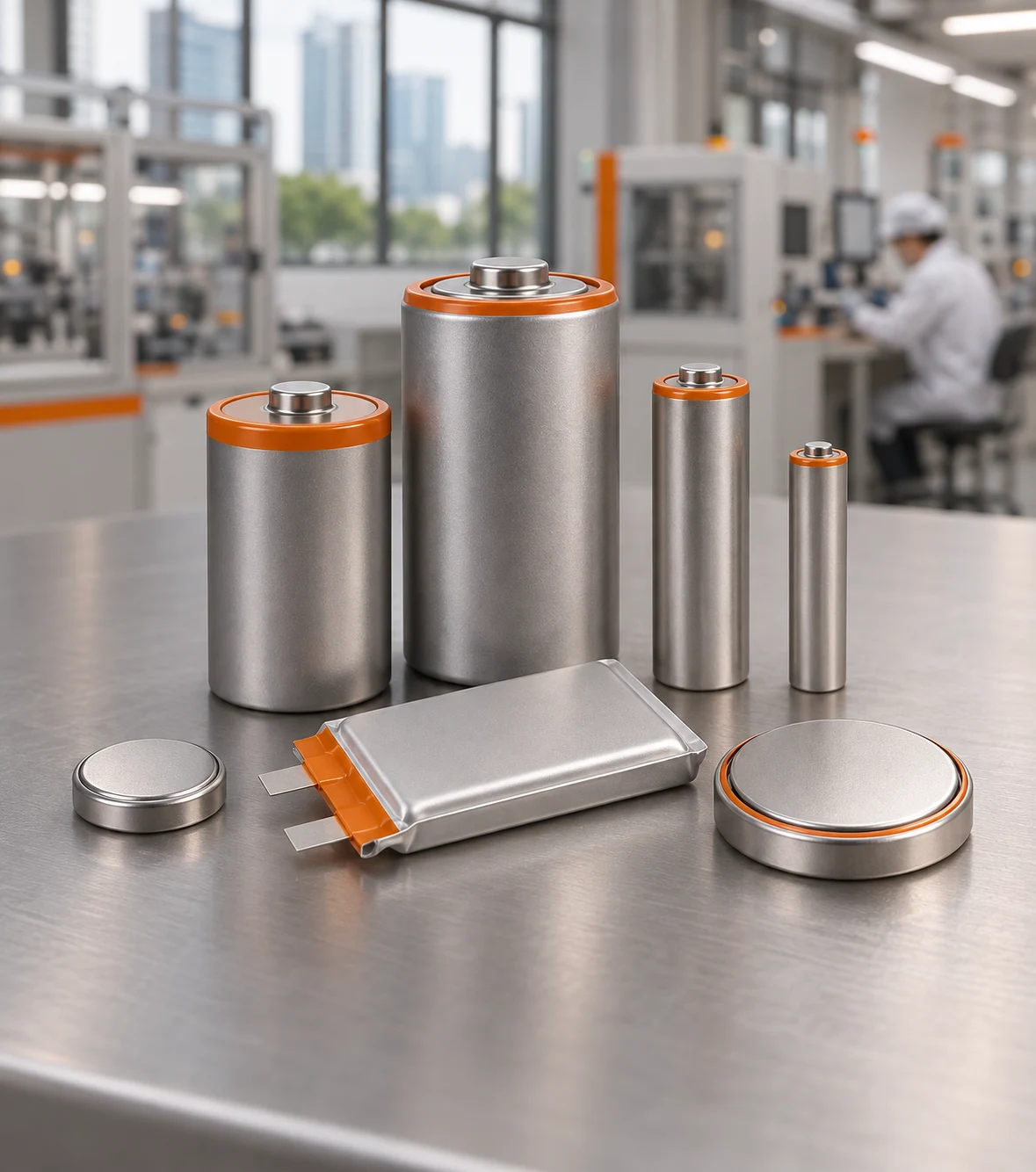
Cell sorting and matching at Jetray

Not sure which cell?

Send your voltage, current and space limit. Get a reply within 24 hours.

Scroll to Top