





















Battery Packs for Industrial Robots
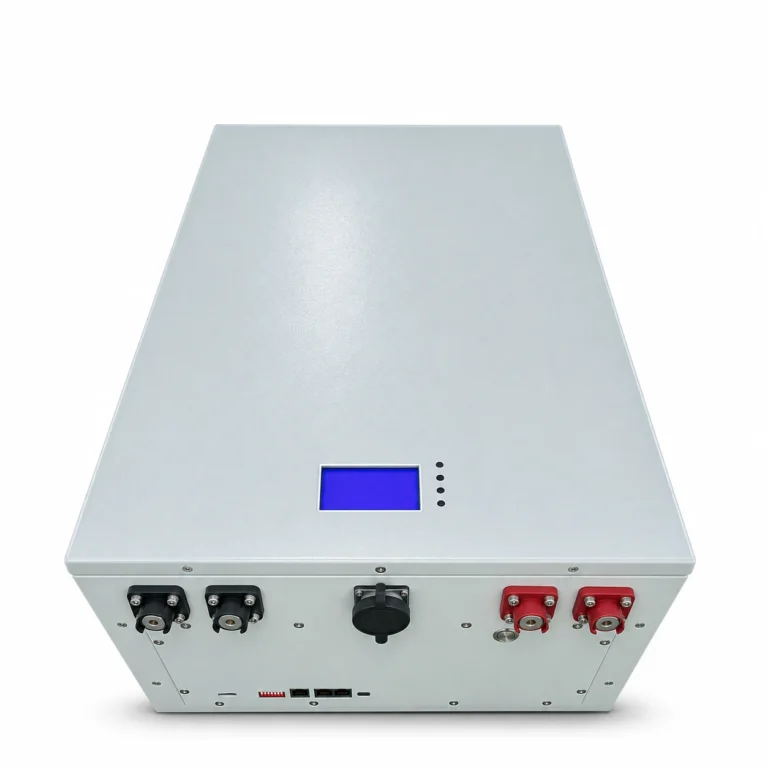
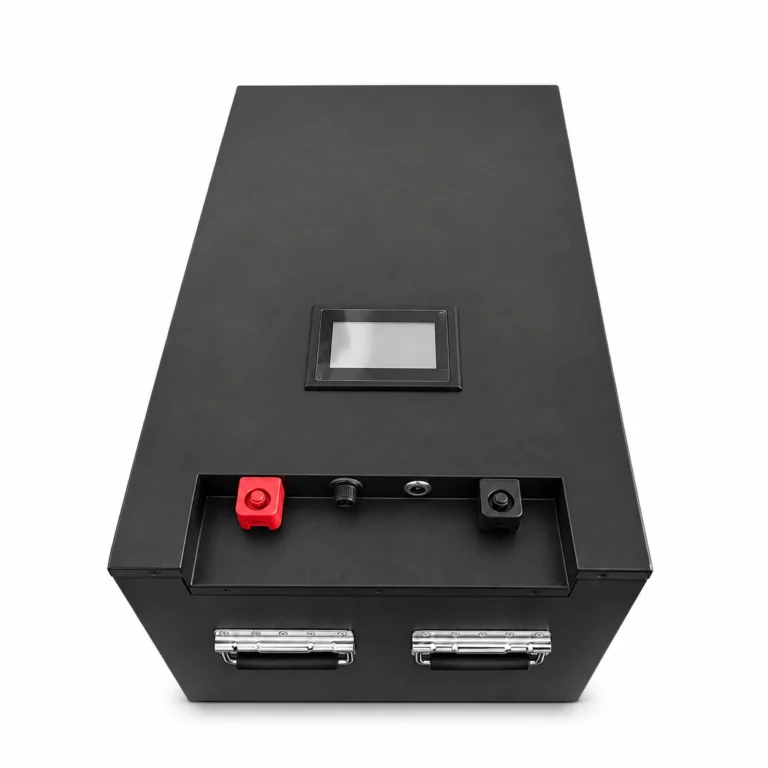
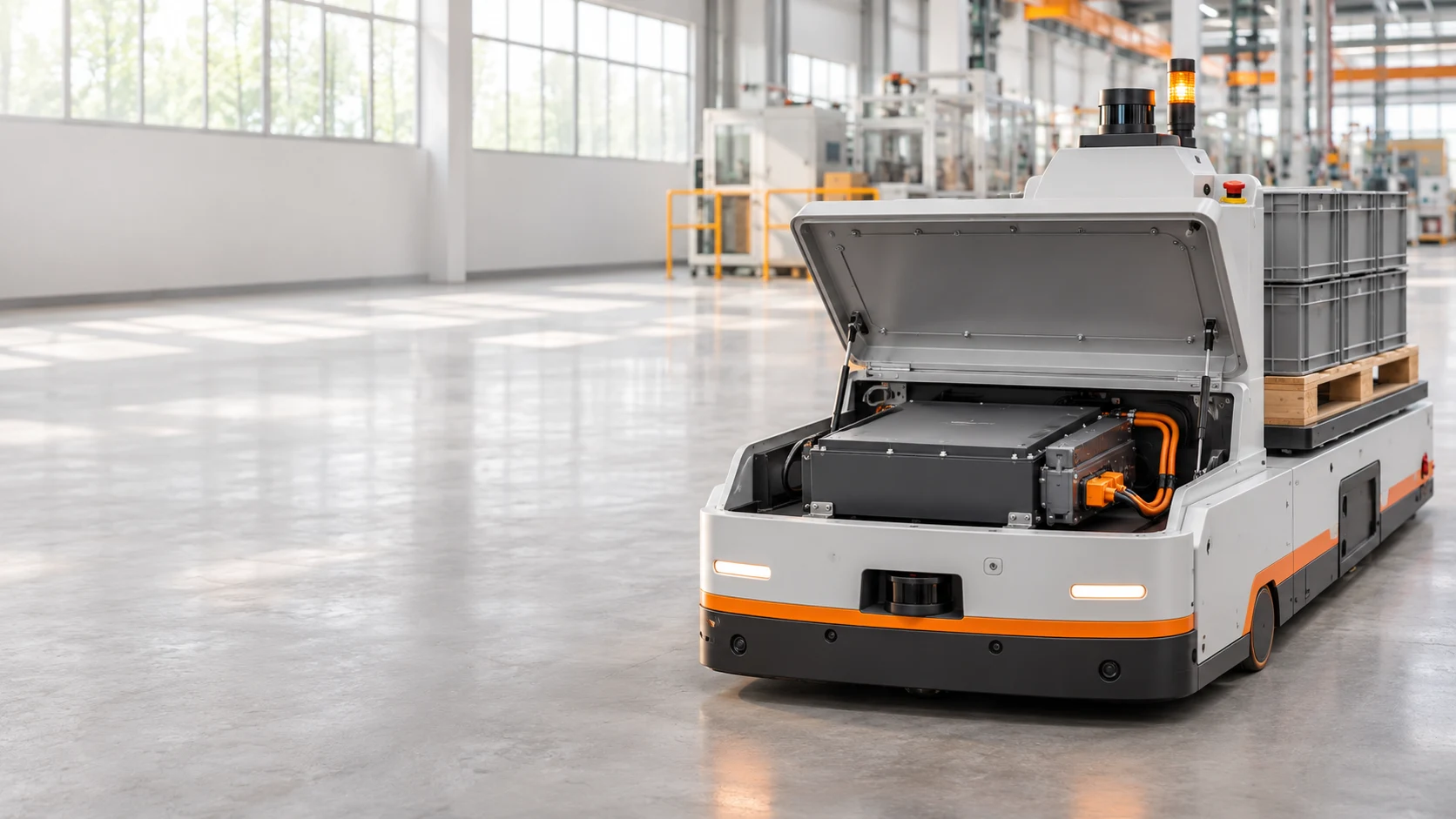
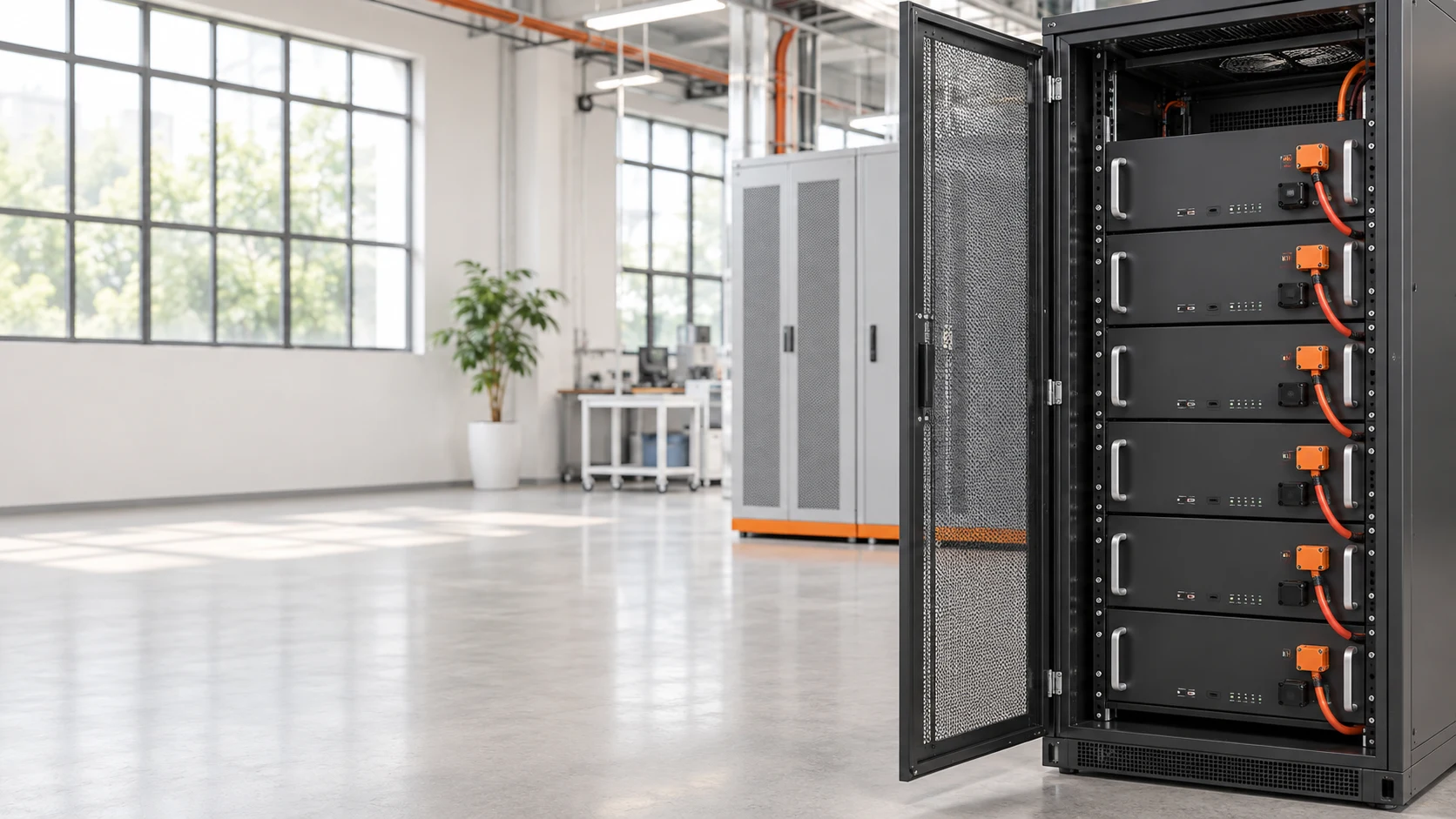
Industrial robots that move on their own, such as inspection robots, cobot platforms and mobile manipulators, need a battery that survives vibration, delivers peak current and reports faults. Jetray builds custom lithium packs for these machines.
Recommended products
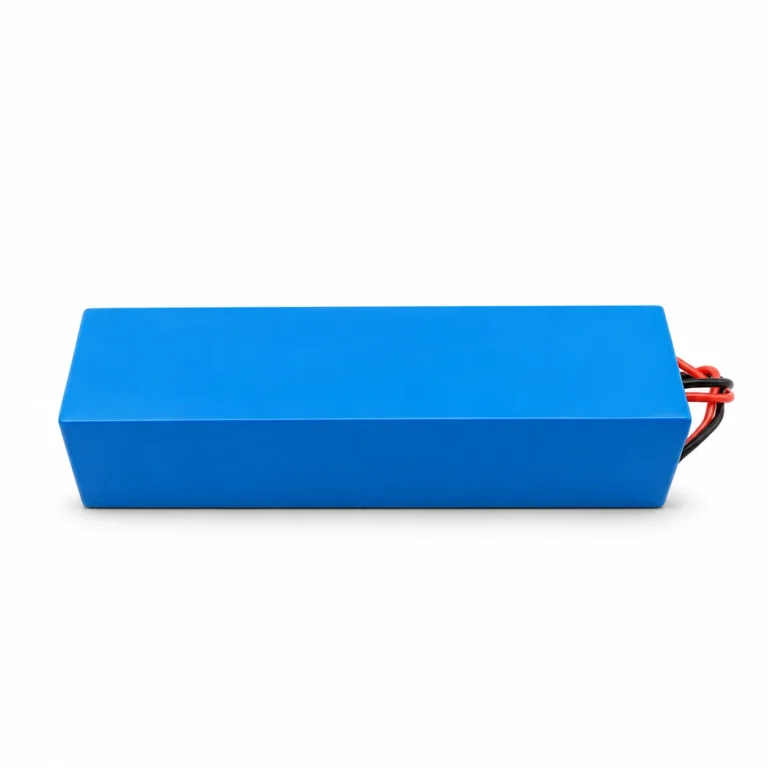
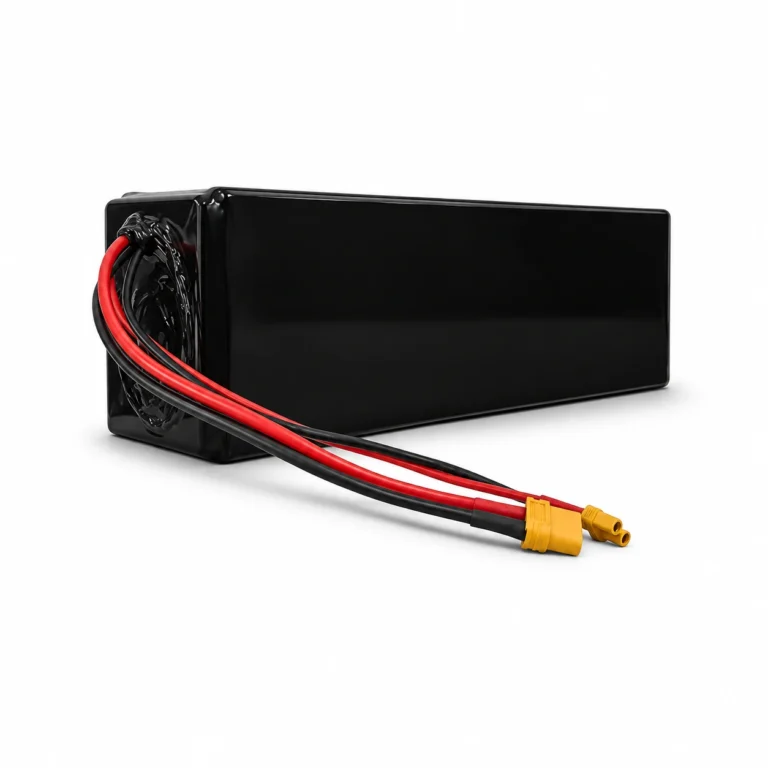
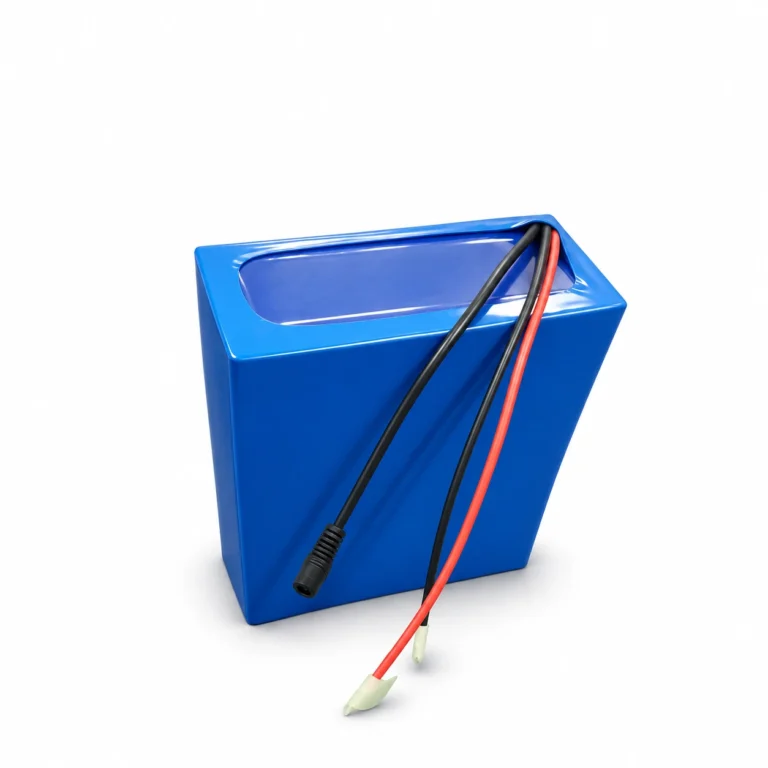
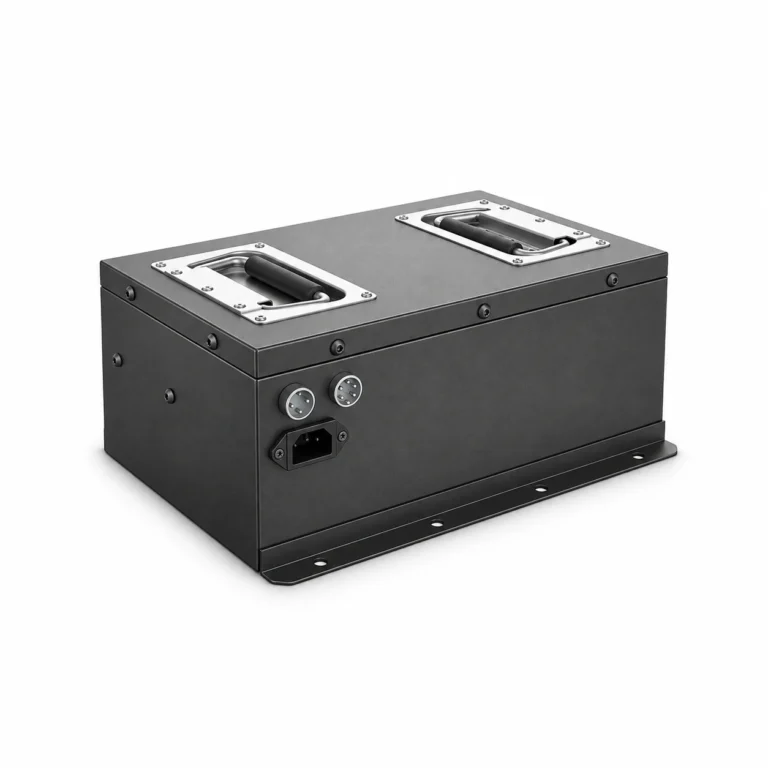
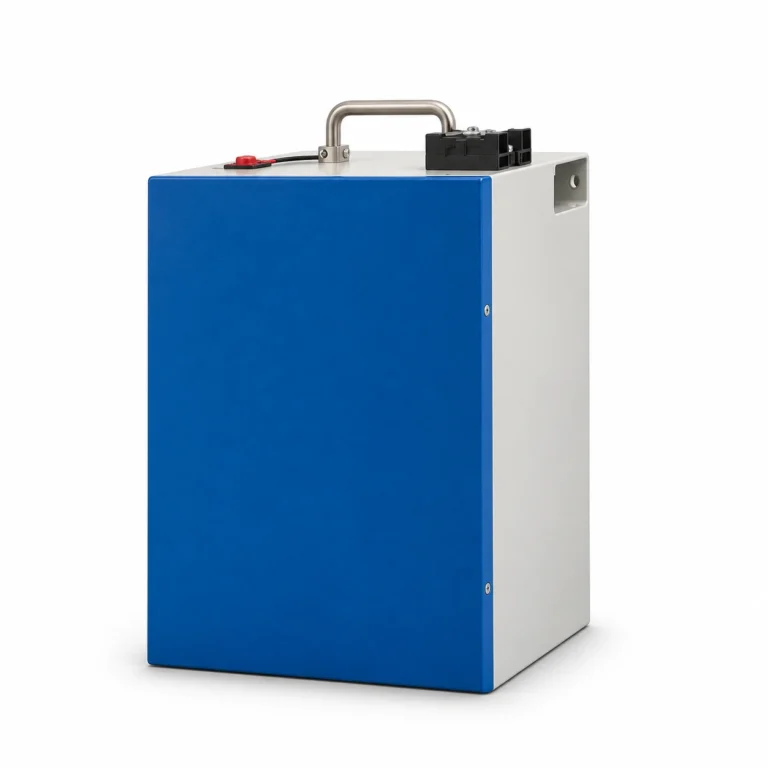
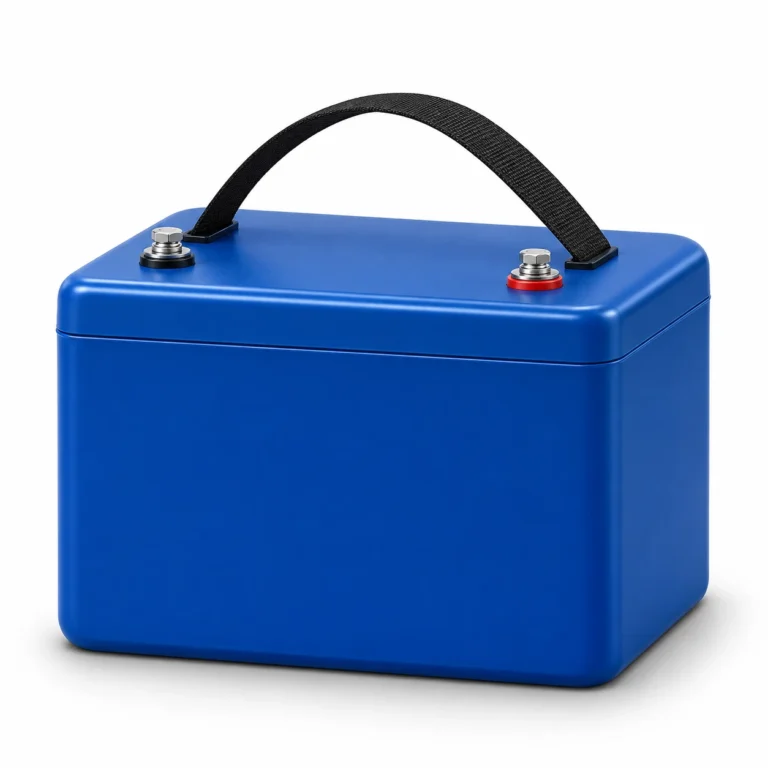
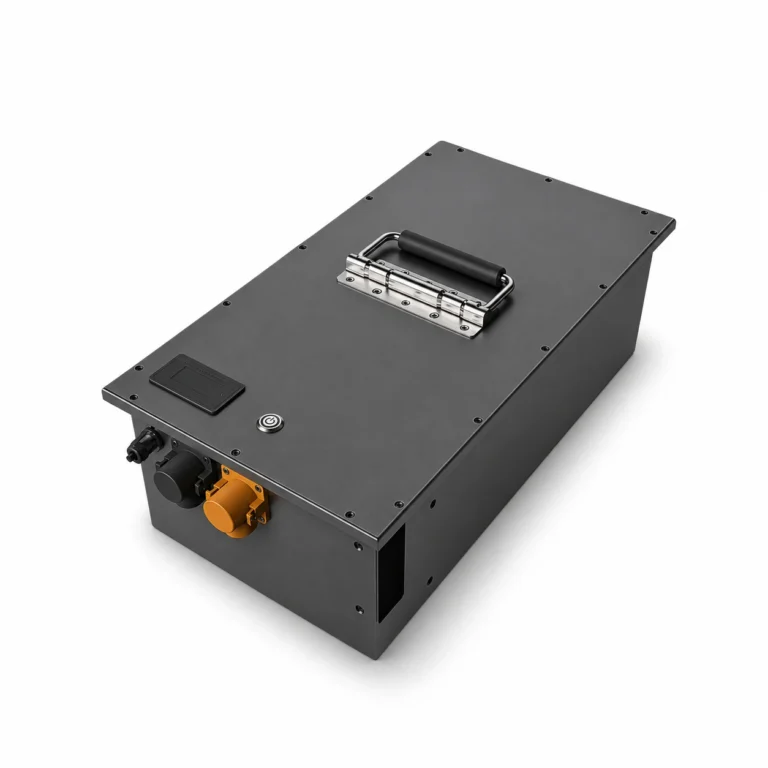
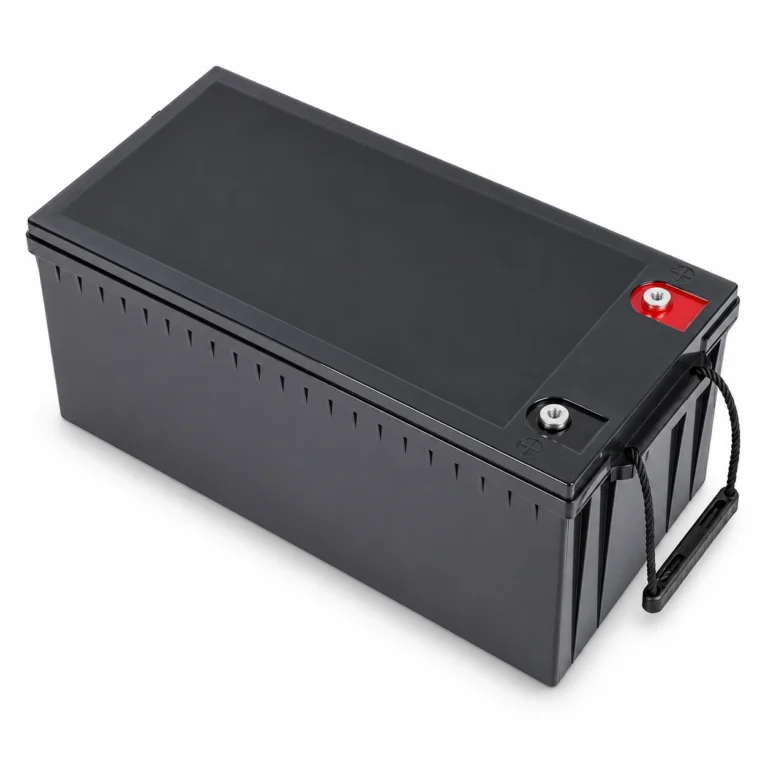
Packs and cells we supply for this application. Every model can be customized — tap + to add models to your inquiry list, then send one request for all of them.
Try removing a filter — or tell us your spec and we will build it for you.
Where battery-powered industrial robots work
- 01Inspection and patrol robots in plants and substations
- 02Mobile bases for cobot arms and pickers
- 03Cleaning and floor-care robots
- 04Material-handling robots in workshops
- 05Outdoor and rough-terrain robots
What matters most
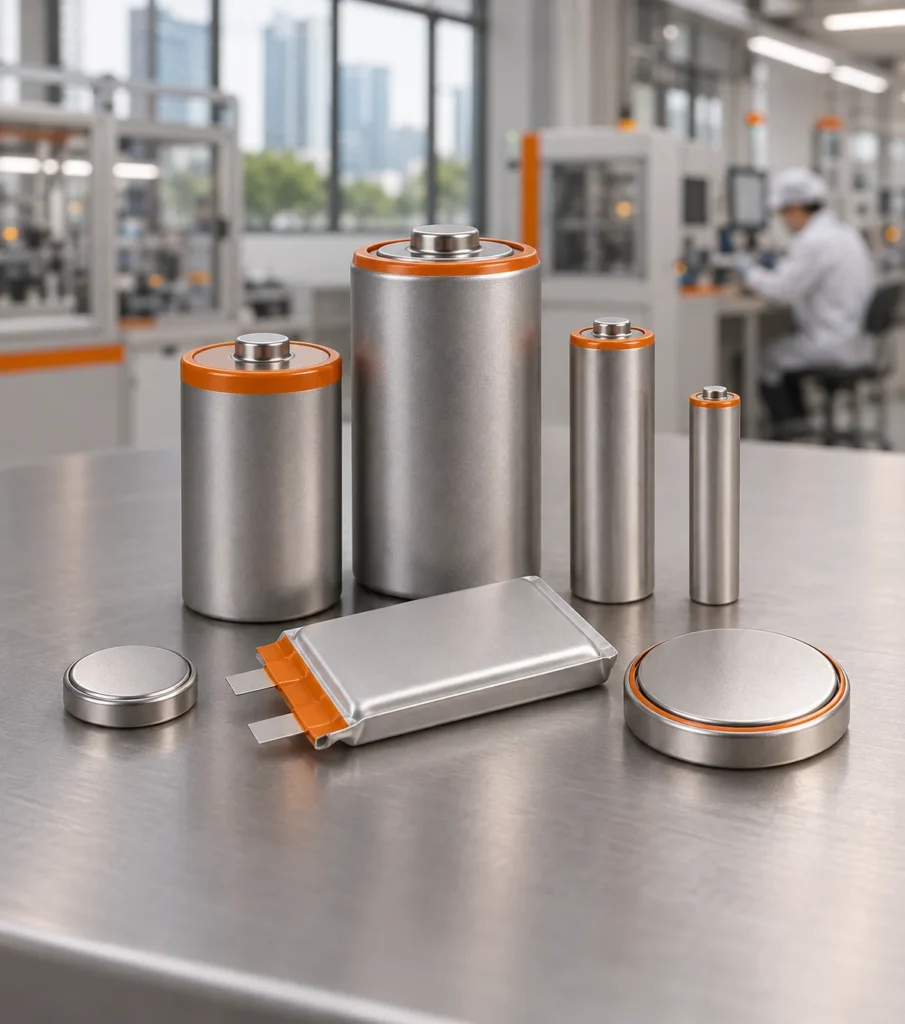
Choose chemistry and format
Cell options include Panasonic, Samsung, LG, Molicel and EVE. Send the peak current, voltage and bay size. Cell selection →
- 01Li-ion cylindrical (18650, 21700) high energy and high current for small and medium robots.
- 02LiFePO4 stable and many cycles for larger machines and heavy duty.
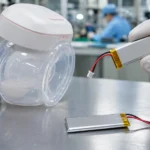
- 03LiPo pouch slim shapes where space is tight.
Charging and swapping

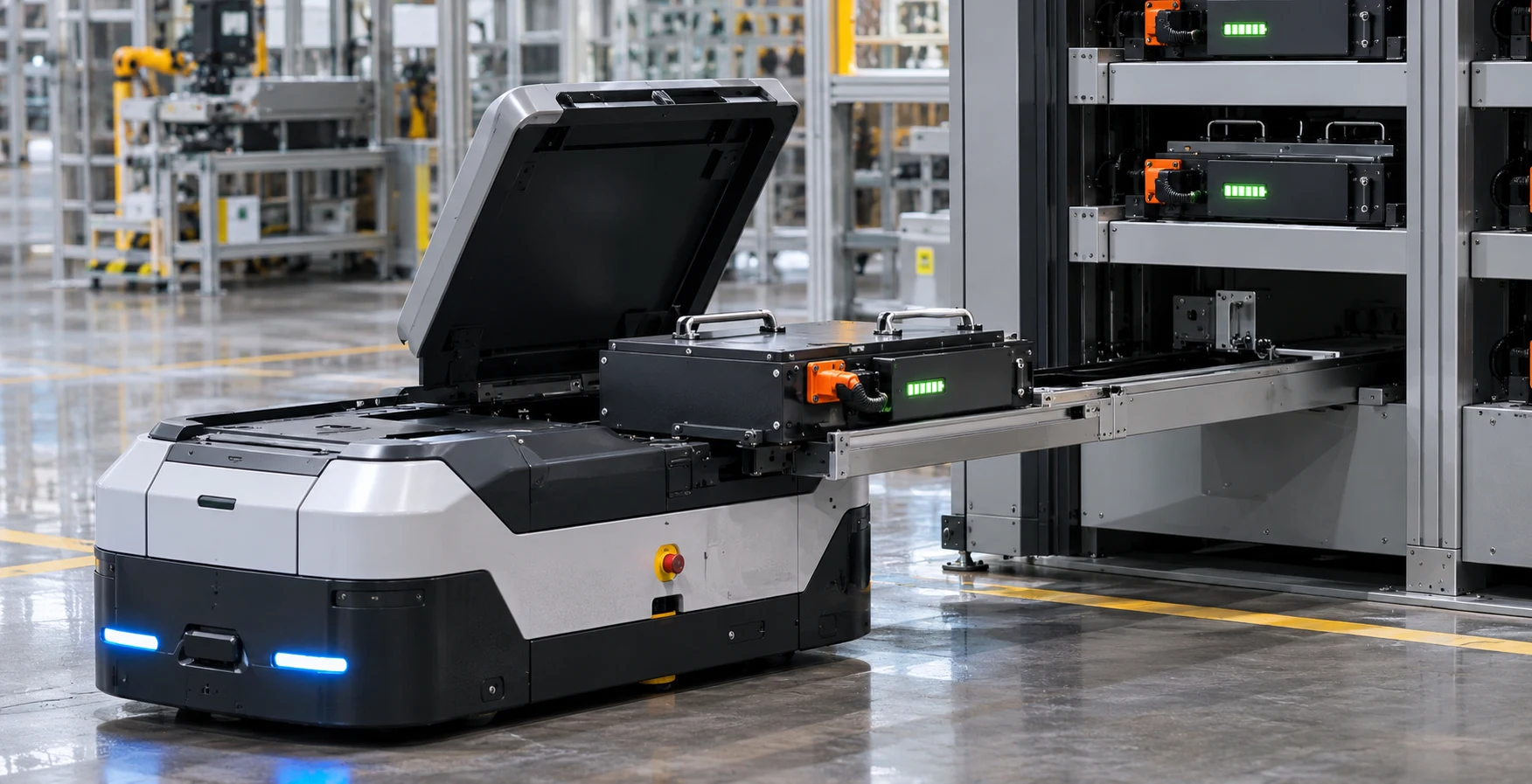
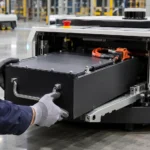
A matching charger is available. Plug-in, dock-contact and swappable designs can all be built. For continuous work, plan swapping or opportunity charging. Charger and communication →
Documents, samples and delivery
UN38.3, IEC 62133 and MSDS documents are available, with transport and certification reports for the shipment.
Custom battery pack samples are charged, and you test them on the robot. Custom packs usually take one to two months. MOQ depends on the product. Prototyping and samples →
What to settle before you order
The duty cycle
How long the robot runs, how often it stops and how hard it works decide capacity and current.
Mounting and vibration
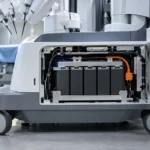
A pack on an arm base or mobile platform needs a case and internal build that stand up to movement.
What happens when the battery is low
Decide if the robot stops, returns to charge or swaps packs, then set the BMS and signals to match.
Who reads the battery data
If the controller needs charge level or fault codes, agree the communication method early.
Heat from the robot
Packs near motors and drives run warmer. Give us the space and airflow around the pack.
Options you can set
Mark what you want to discuss. Your picks go into the quote form below.
From first message to delivery
STEP 1Send the robot type, voltage range, peak current and the space for the pack.

STEP 2We check the duty, propose the cells and BMS, and send a quote.

STEP 3We build a charged sample, and you test it in the robot.

STEP 4We adjust from your test notes, for example current limits or case shape.

STEP 5Batch production, final test and shipment with the documents you need.

Frequently asked questions
Mobile industrial robots use Li-ion or LiFePO4 packs. The robot's power and run time decide the voltage and capacity.
Hold the cells firmly, check the welds and connectors, and test the sample on the robot.
Yes. Send the protocol document. CAN, UART, RS485 and Bluetooth can be set up to your requirement.
Yes. We make sheet-metal and plastic enclosures.
Yes. Send a drawing or photos with a ruler, and we shape the pack and case to the space.
Yes. Private label is supported, with your name and model number on the pack.
Building a robot?
Send the voltage, peak current and bay size. We reply within 24 hours.
Your industrial robot battery packs
Values from the tools above are already here. Add what you know and send.
Your message to an engineer
Fill what you know. Blank lines are fine.Goes straight to our sales engineers, the same as the quote form. Need to attach a drawing? Use the quote form or email it.
Building a robot? Send the voltage, peak current and bay size.
Request a Quote→