
















7S4P
AGV battery packs
Custom Lithium Battery Packs for AGVs
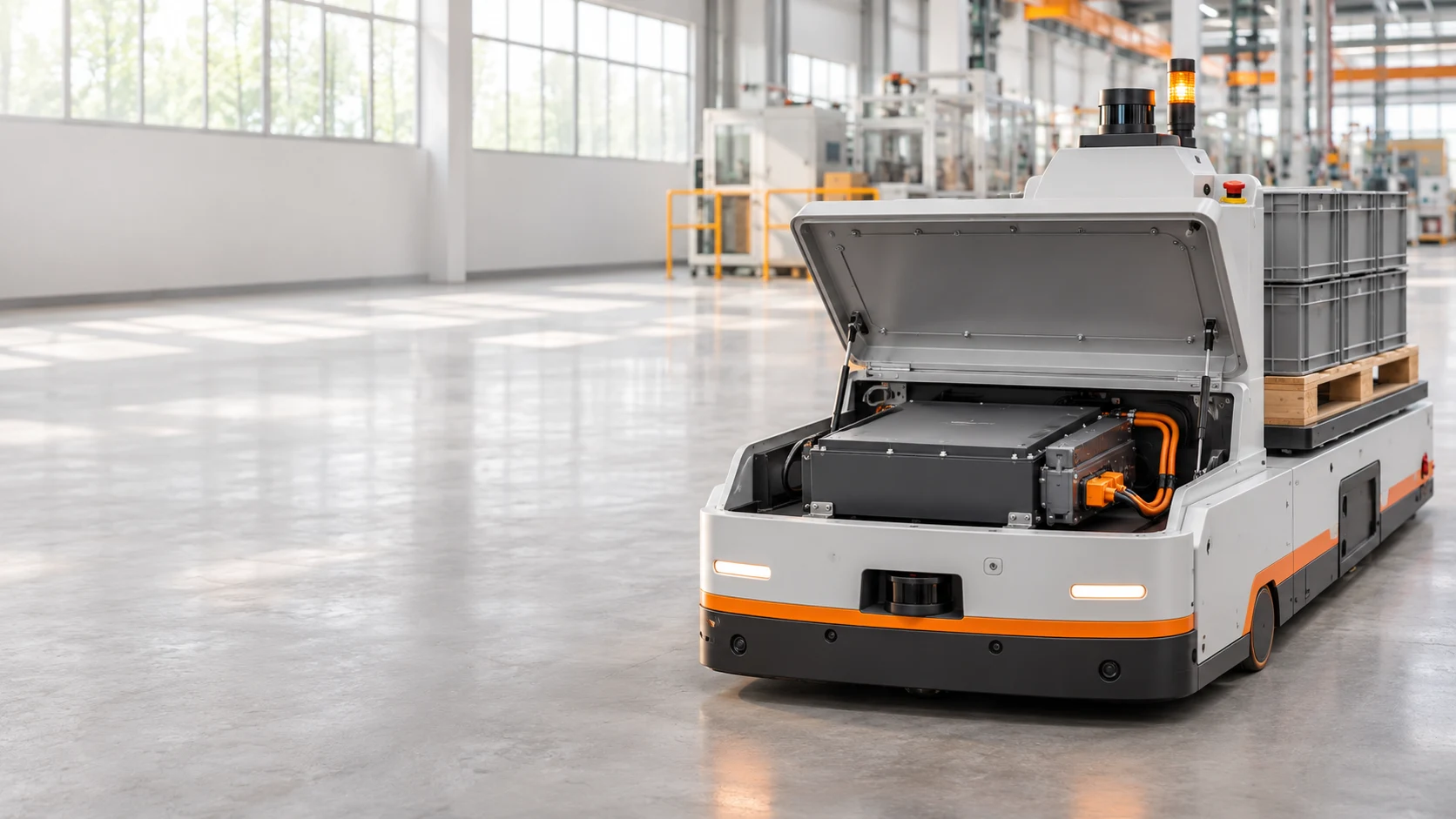
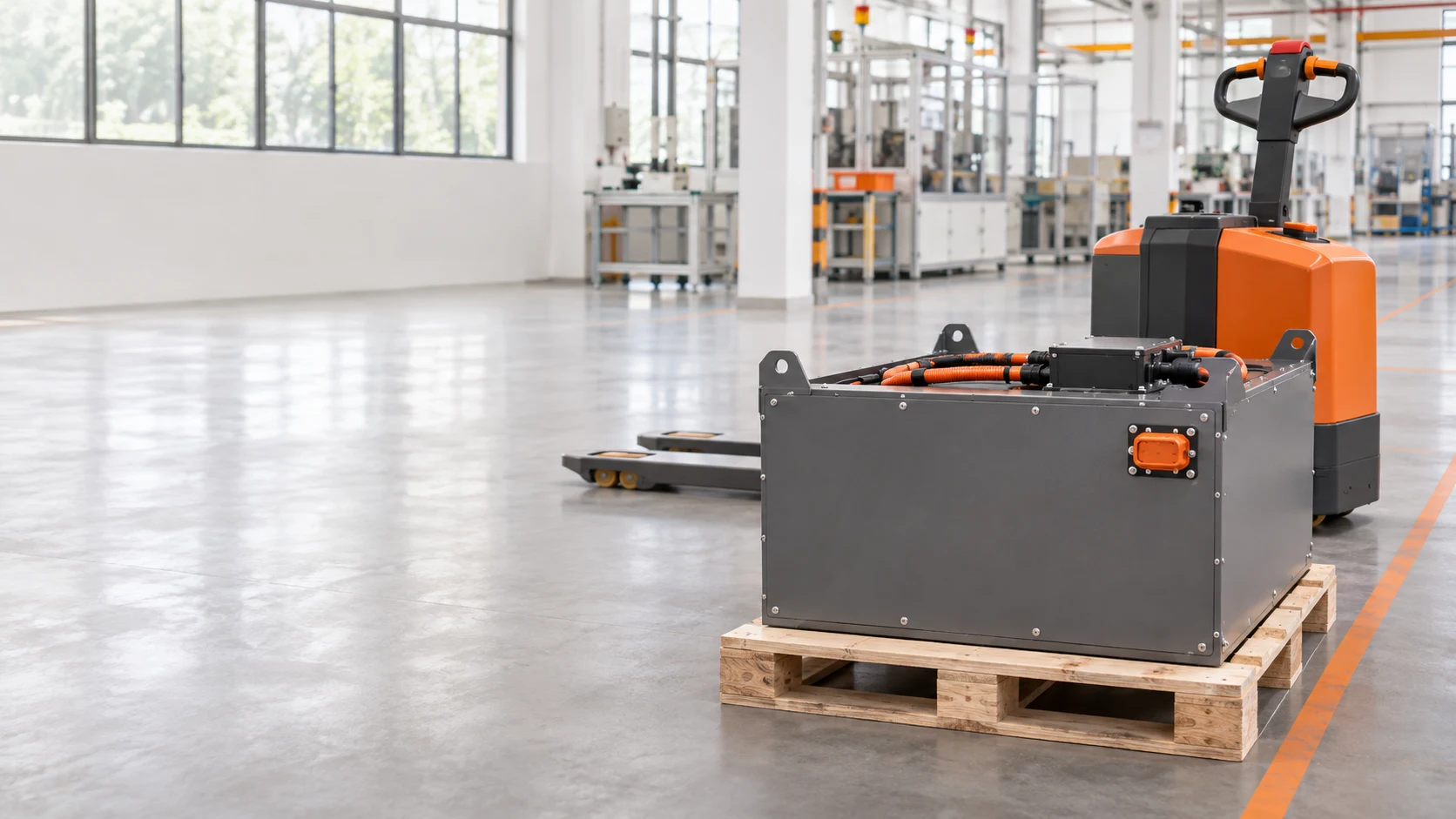
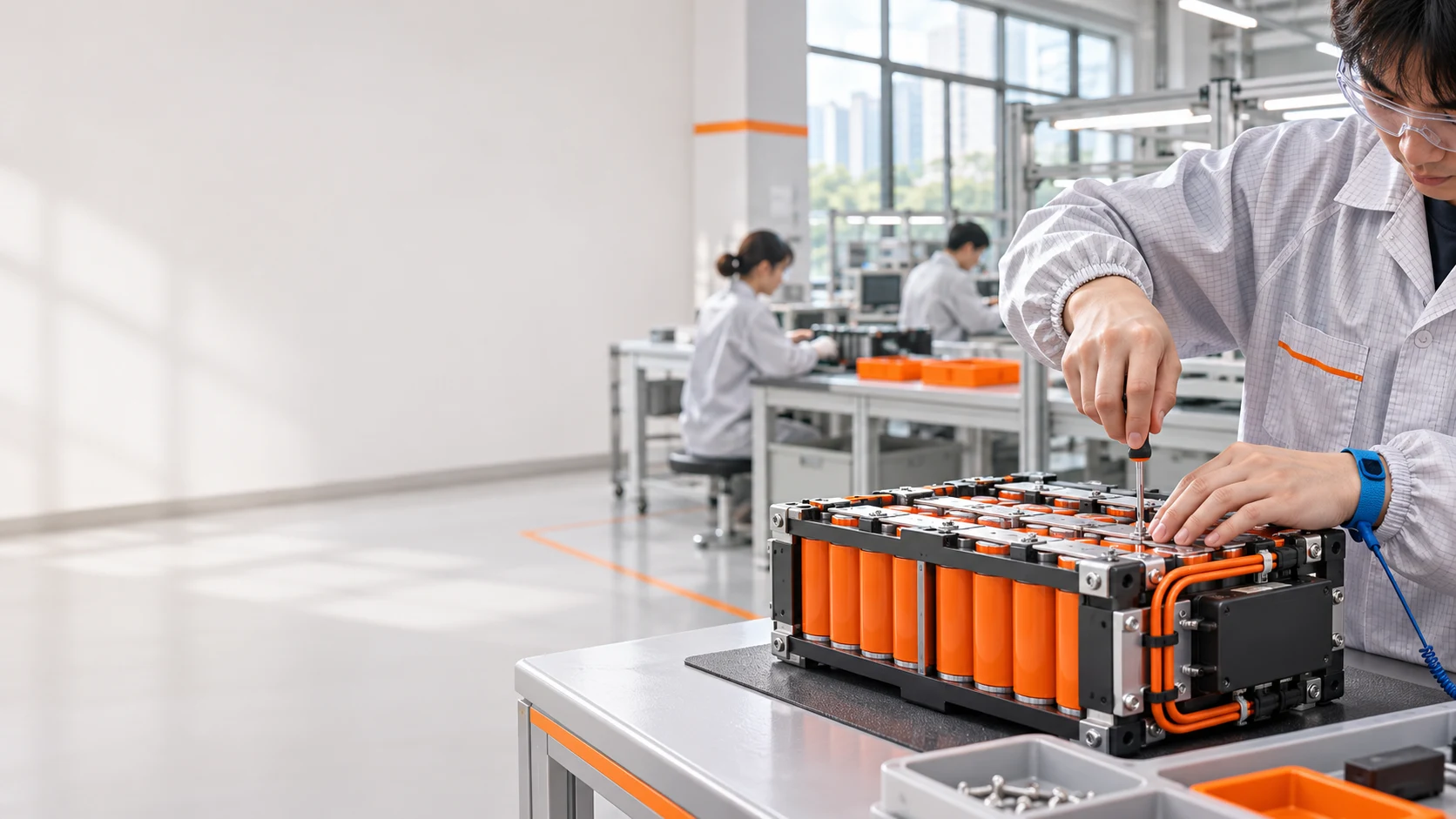
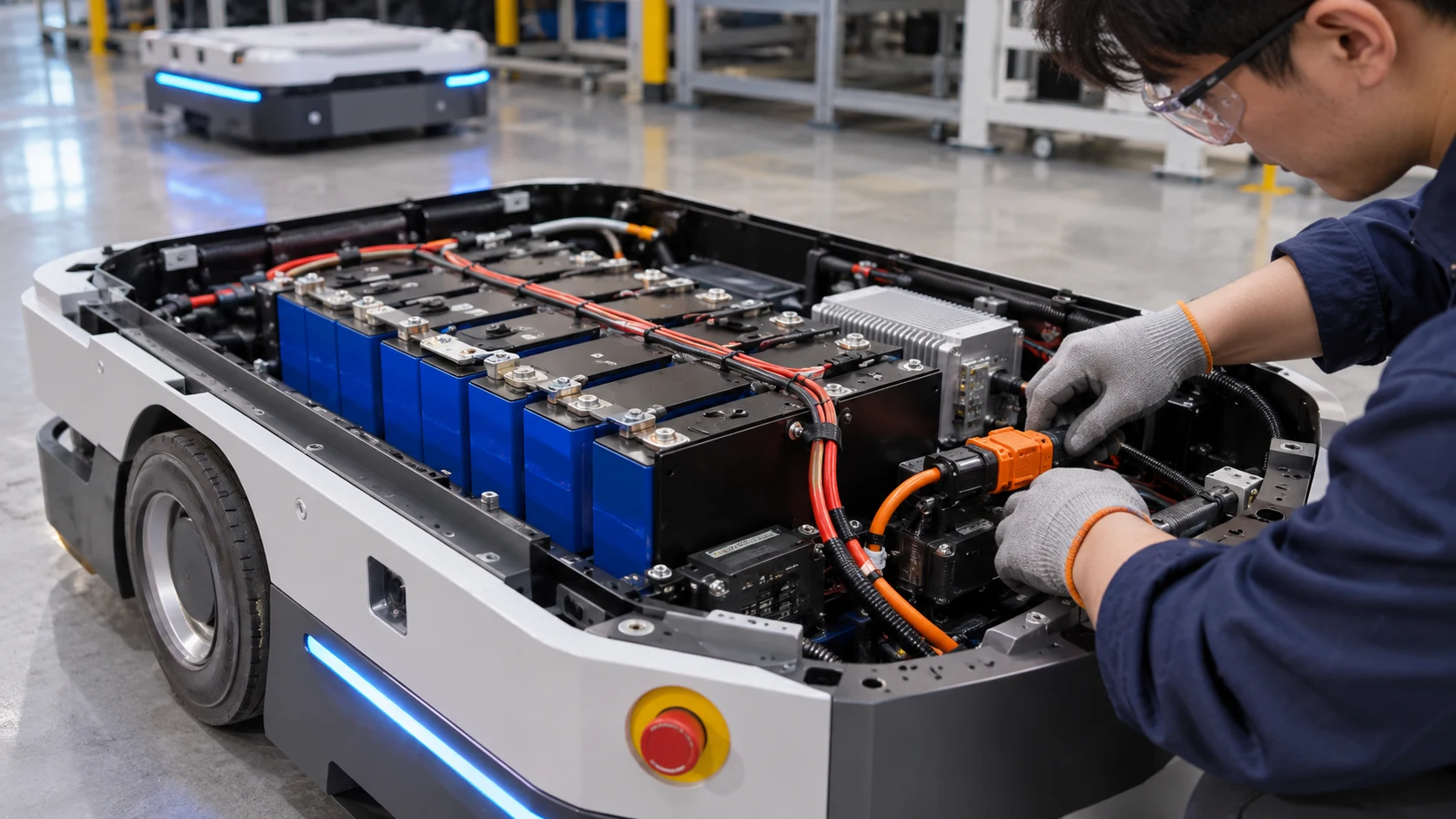
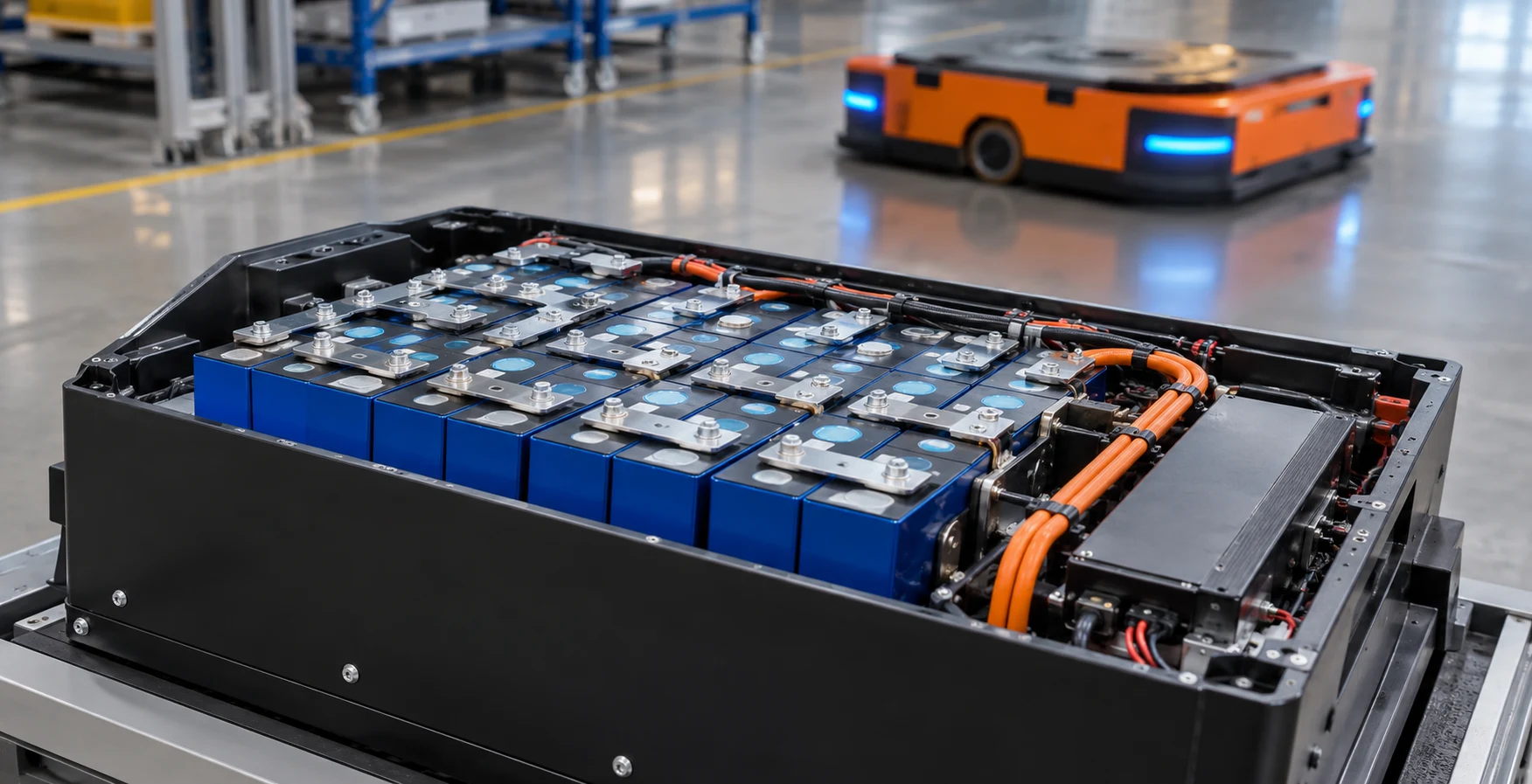
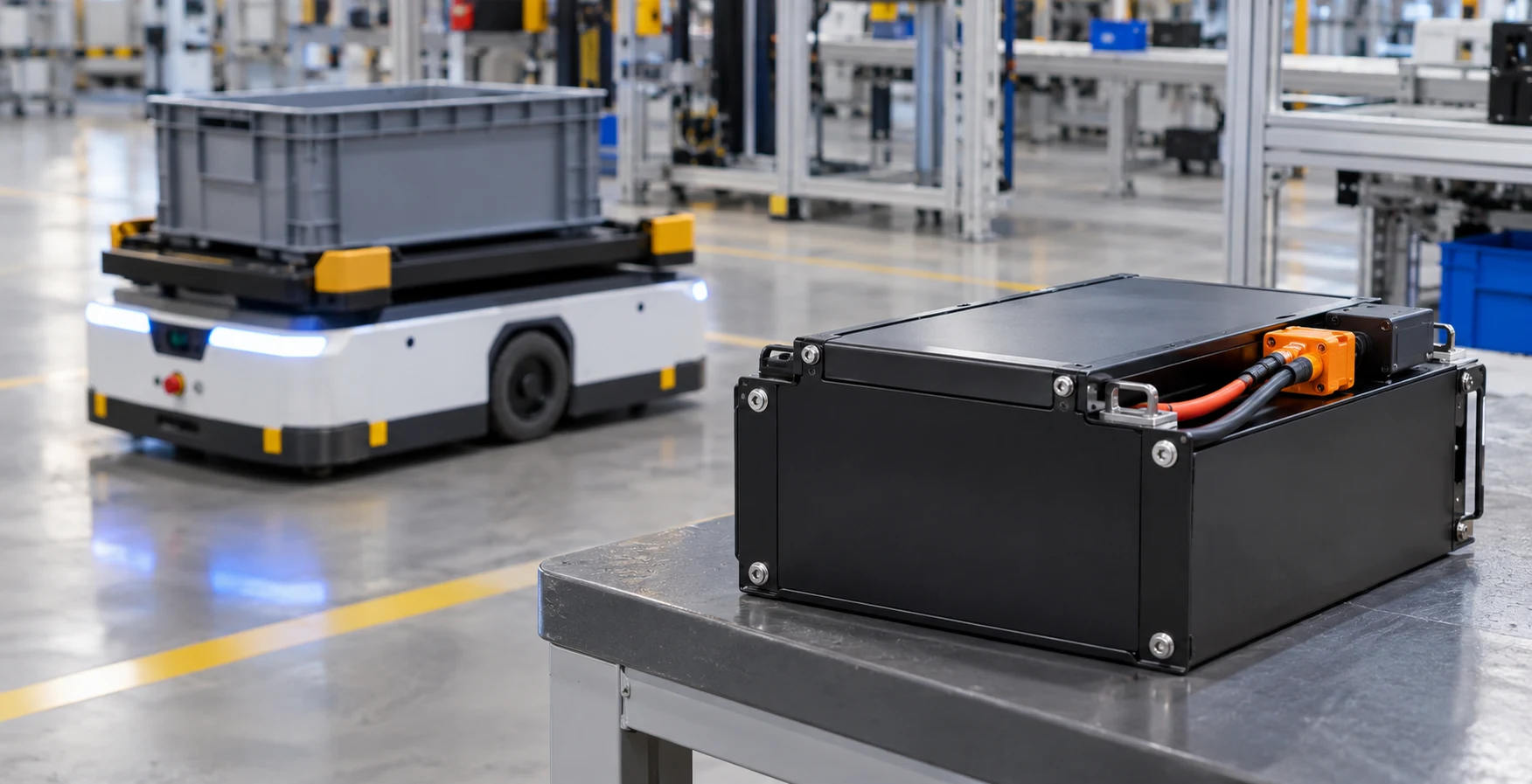
An AGV battery pack powers the drive, lift and controller of an automated guided vehicle. Jetray builds custom LiFePO4 packs for AGVs, sized from your load and shaped to your battery bay, with charging contacts and CAN communication as needed.
24 V and 48 V are commonLiFePO4 as the usual choiceCAN to your controller
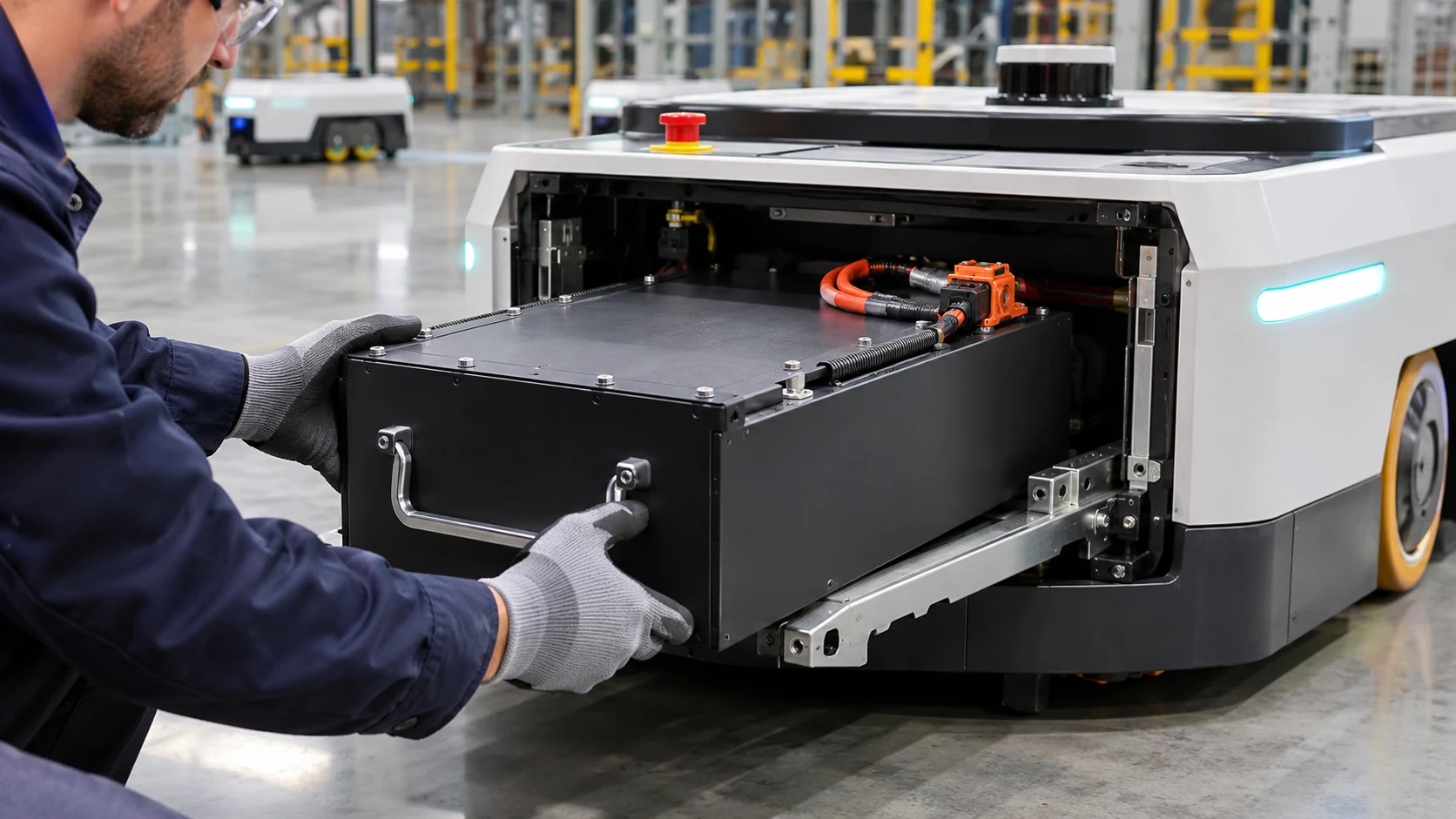
Start with three numbersReply in 24 h
System voltageProducts
View all products Recommended products
Packs and cells we supply for this application. Every model can be customized — tap + to add models to your inquiry list, then send one request for all of them.


7S5P
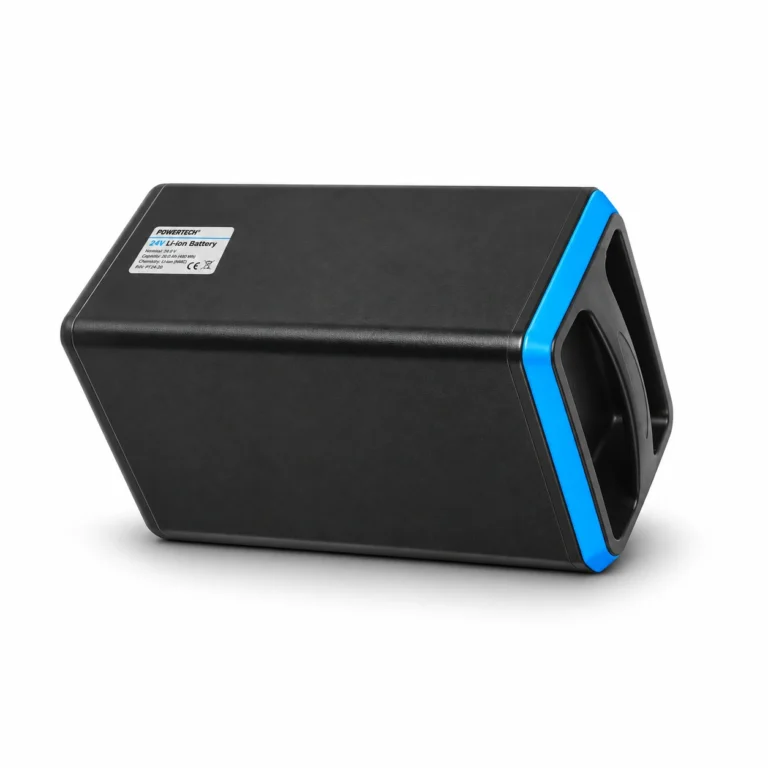
7S8P

10S2P

10S6P
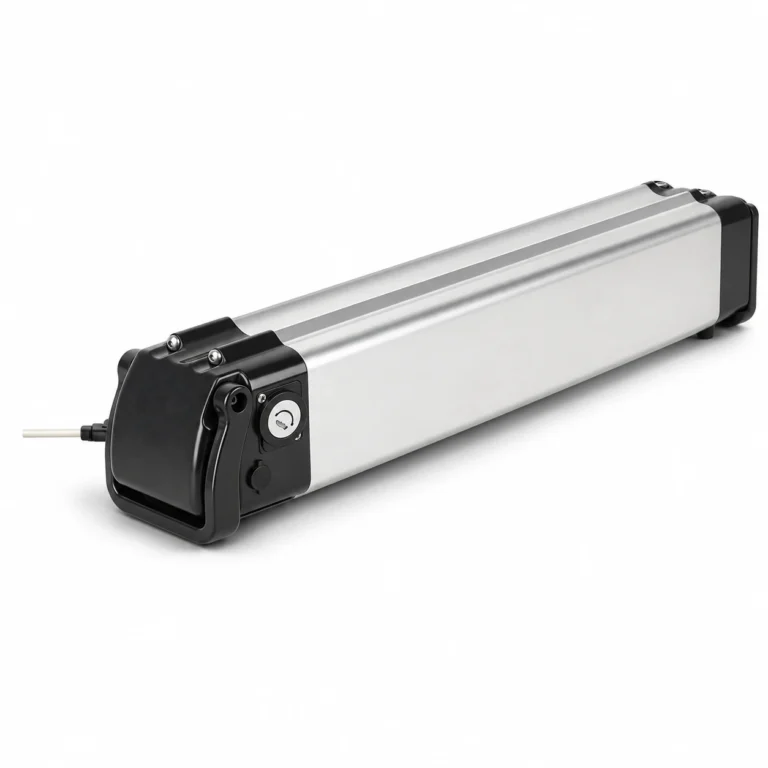
10S7P

Cylindrical cells / welded
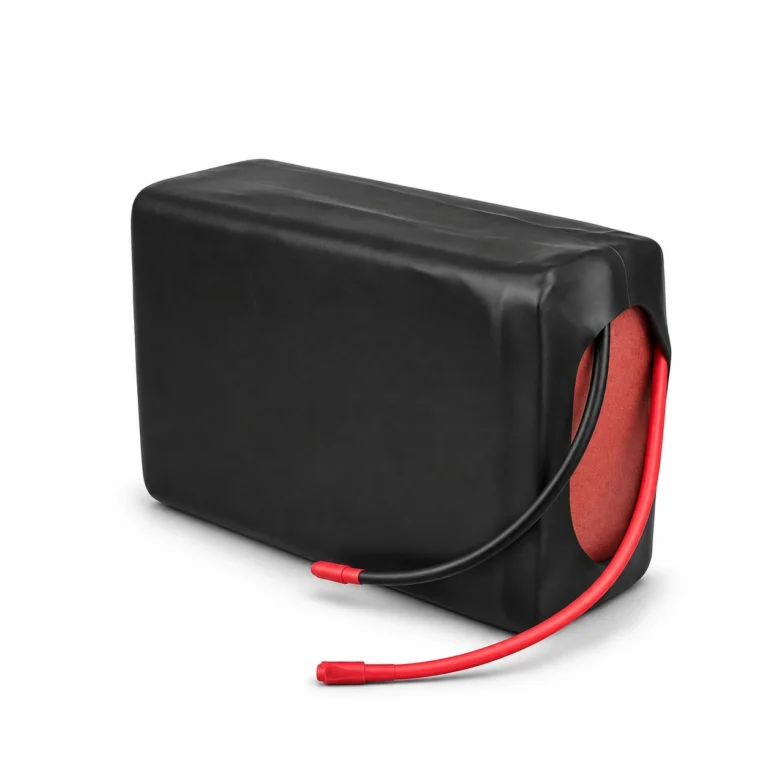

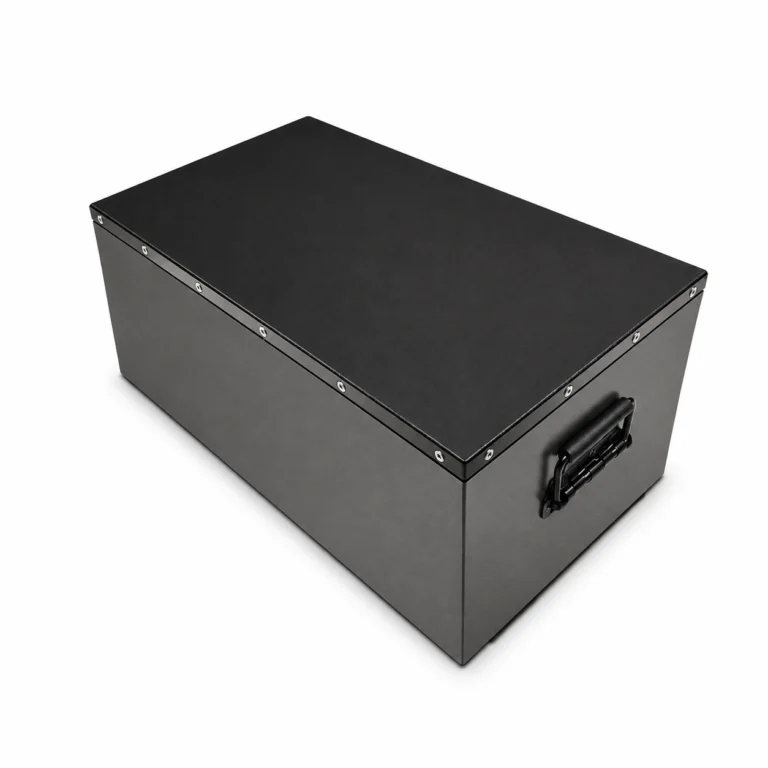
13S3P
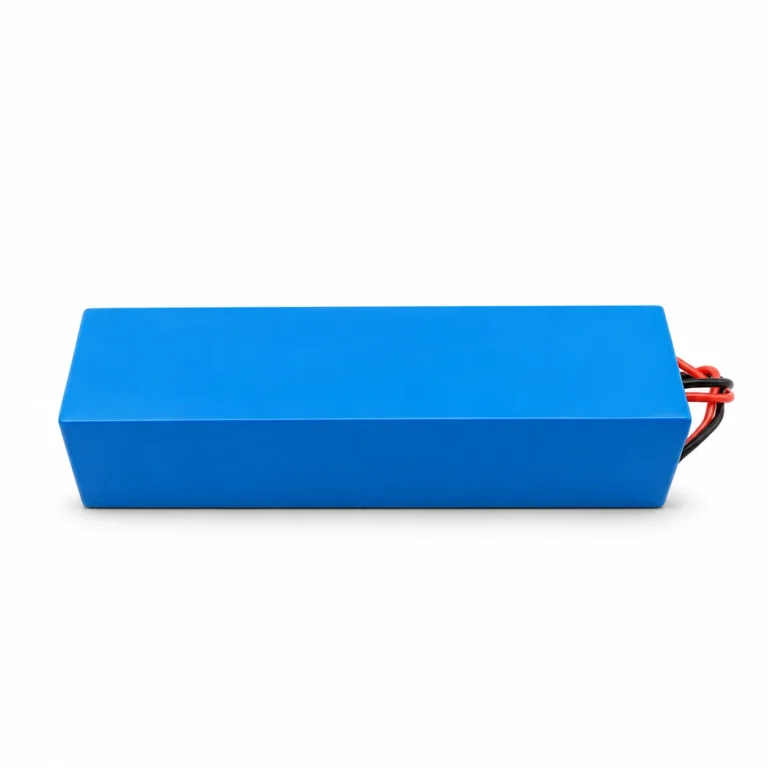
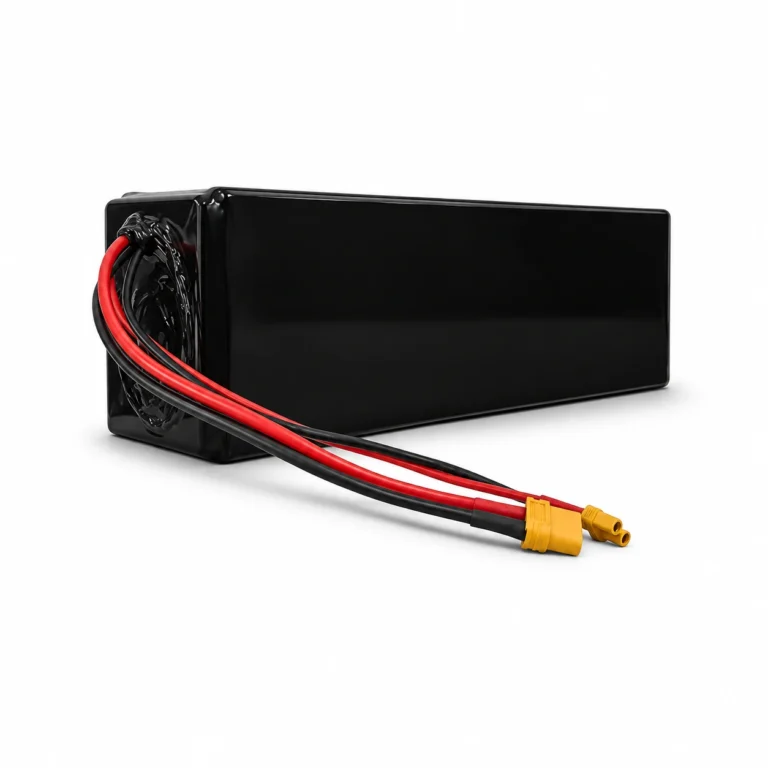
13S8P
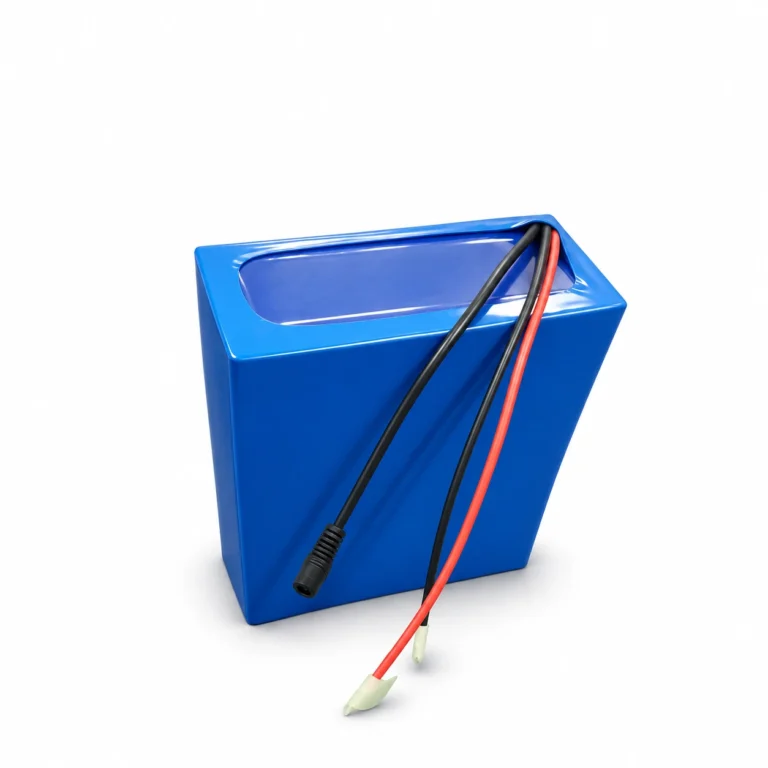
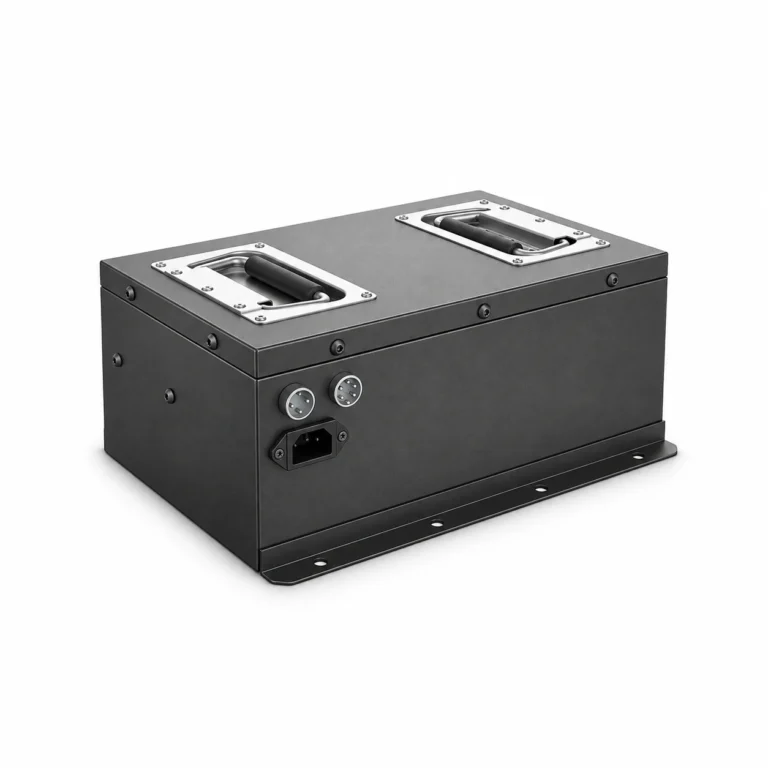
6S1P

6S5P


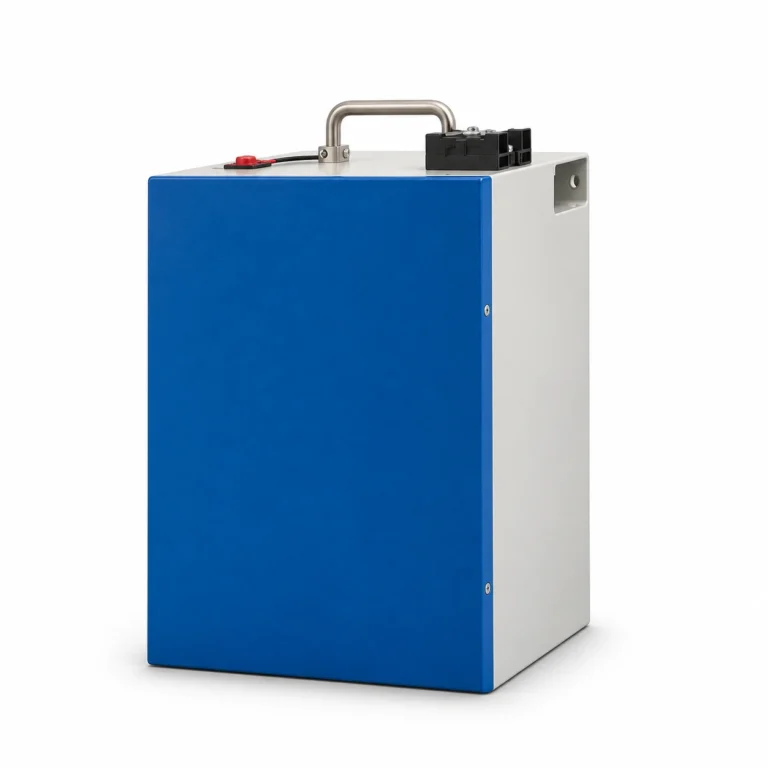
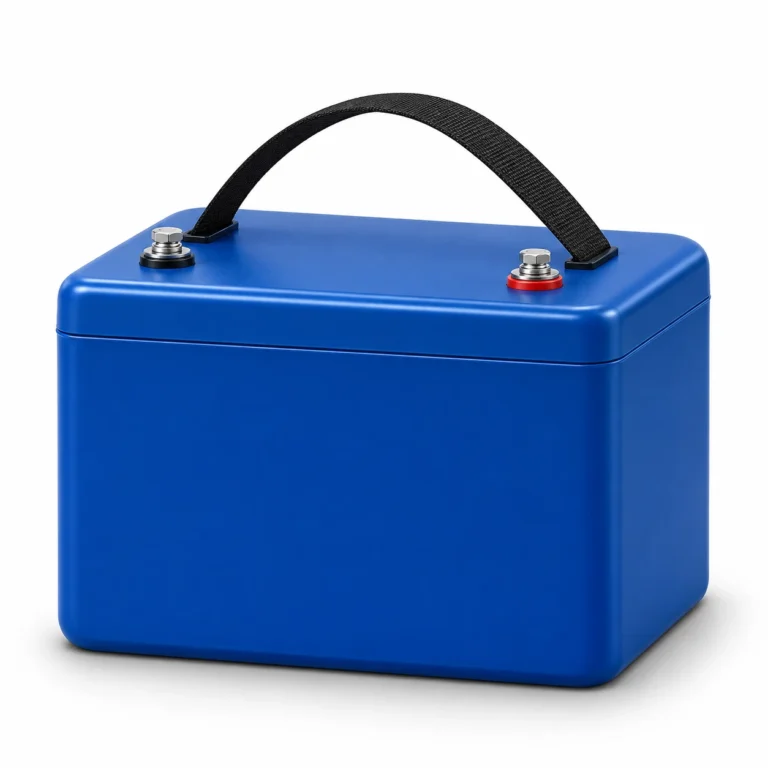
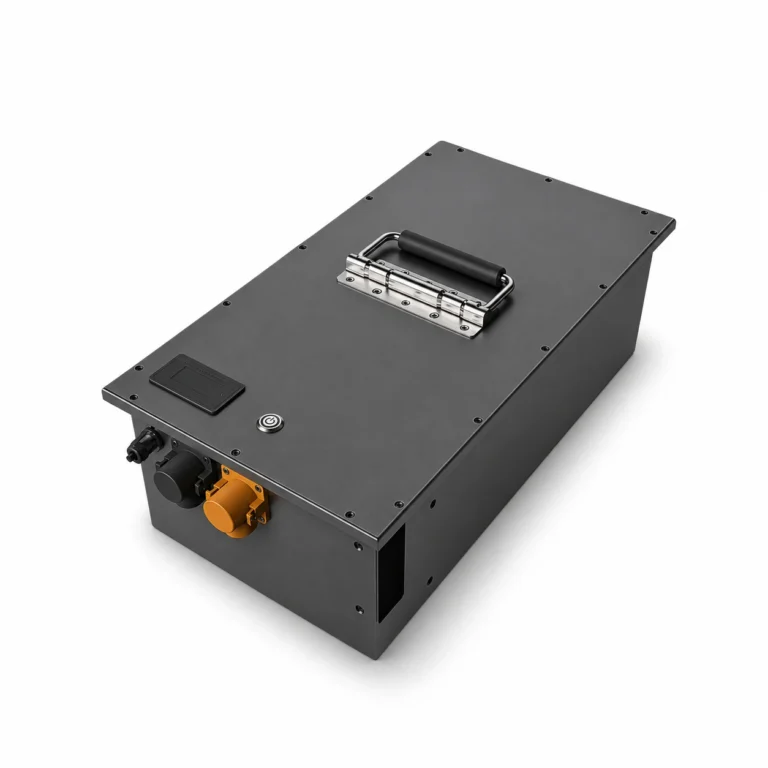
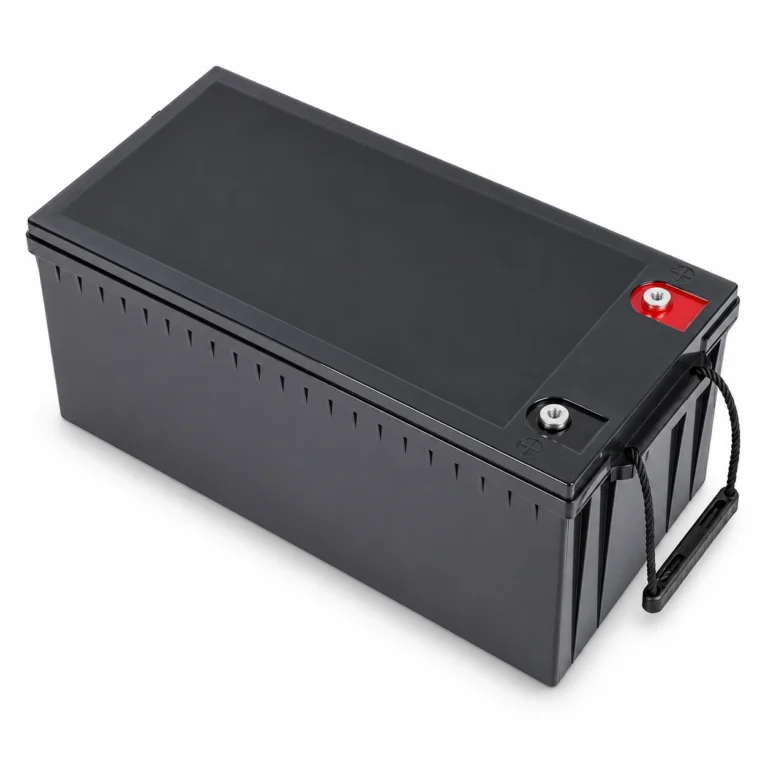


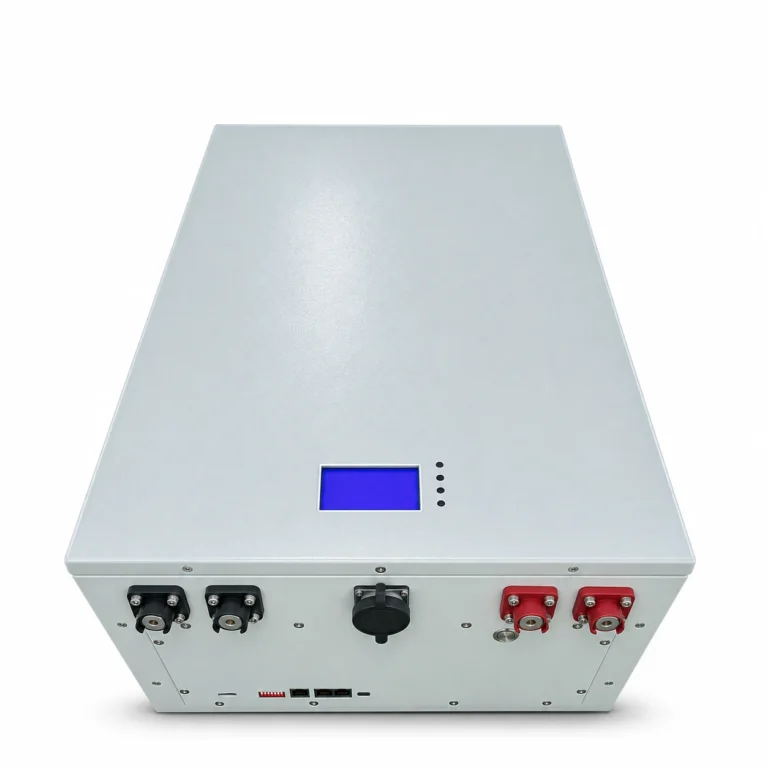
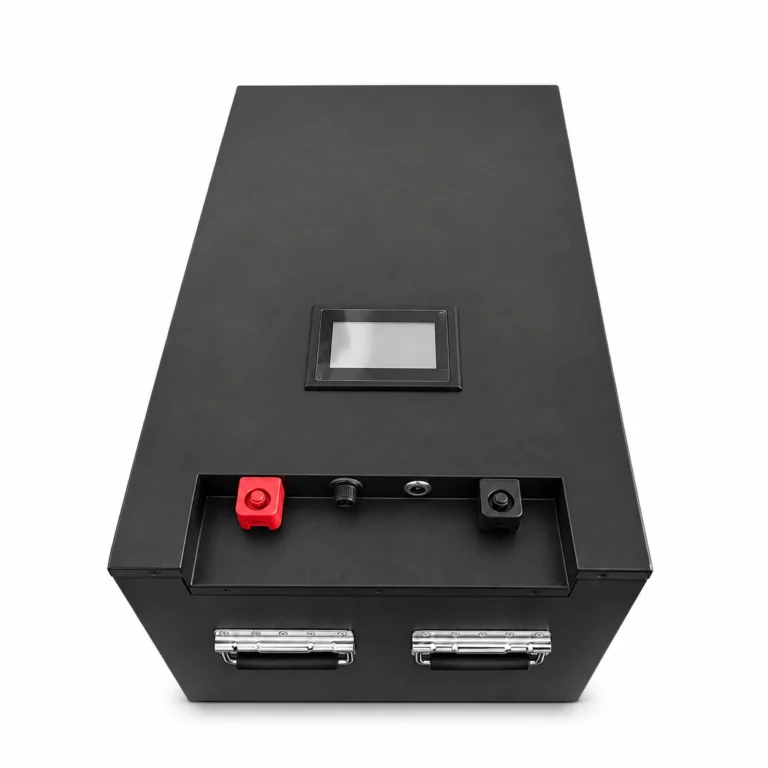
No products match these filters.
Try removing a filter — or tell us your spec and we will build it for you.
Sizing
Size the pack from the load
Average power times run time, plus margin. Change the numbers to see the pack size.
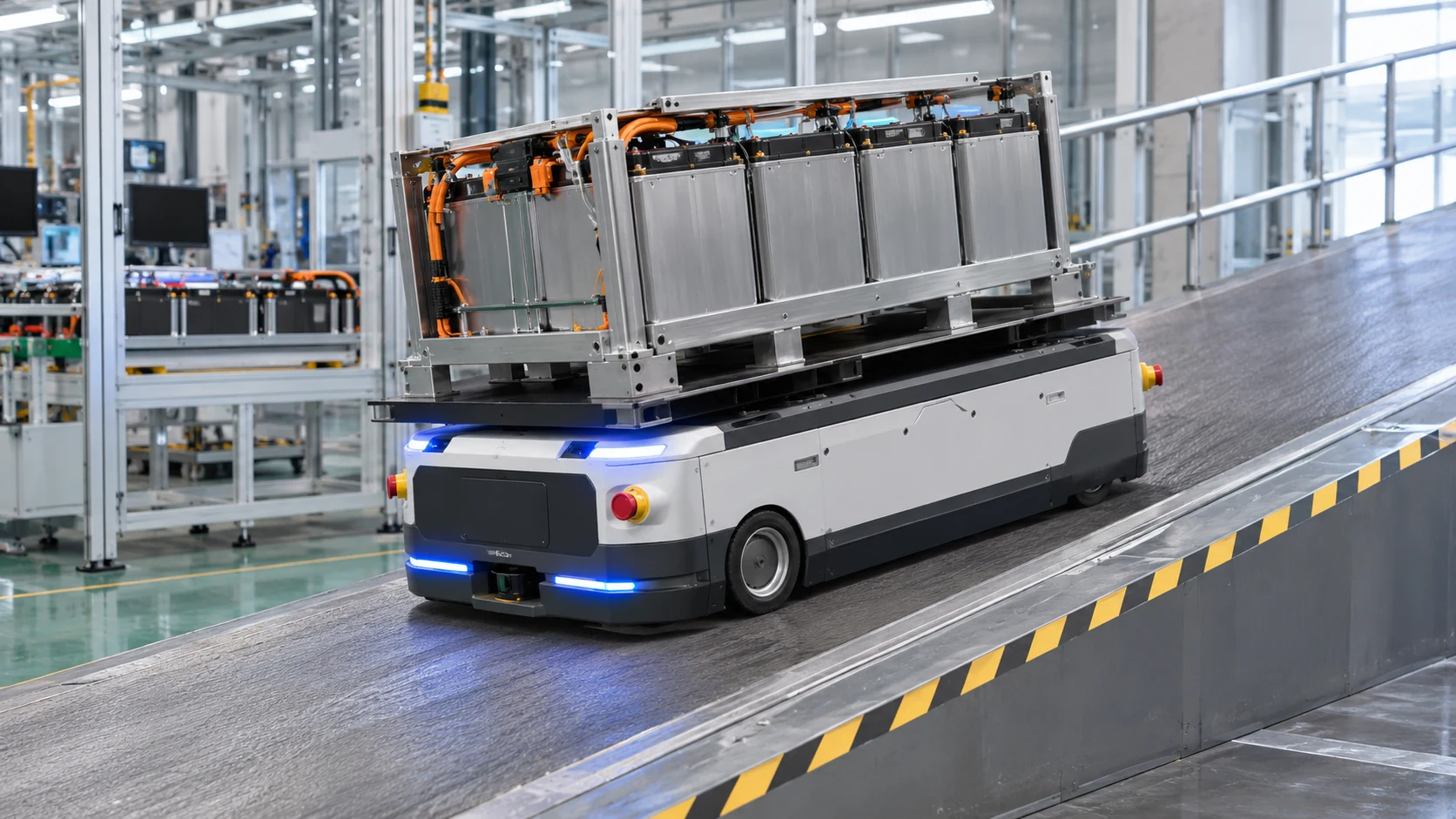
Also give us the peak current for starts, slopes and lifting. The pack and BMS must carry it.
Work it out
Our AGV averages W and runs hours between charges, on a system. Add % margin.
Energy before margin
With your margin
Capacity at 48 V
- 1Average power over a shift, in watts. Include drive, lift, sensors and controller.
- 2Run time you want between charges.
- 3Energy needed = power × time, in watt-hours.
- 4Margin for slopes, cold floors, ageing and a reserve charge level.
Example: an AGV that averages 400 W and runs 5 hours needs about 2,000 Wh before margin. At 48 V, that is about 42 Ah. This is an example only. We calculate from your measured data.
Choose voltage and chemistry
The motor and controller decide the final voltage.
Voltage24 V · 48 V
24 V and 48 V are common. The motor and controller decide the final value.
ChemistryLiFePO4
The usual choice for AGVs: it is stable and takes short charges between tasks.
ChemistryLi-ion
Suits small AGVs where weight and size are tight.
Charging
Charging methods and station design
Answer two questions, or pick a row in the table.
Question 1 of 2
Is a person at the station to plug the AGV in?
Question 2 of 2
When does the AGV charge?
Suggested methodPlug-in
- How it works
- A connector on the pack
- Fits
- Small fleets, manual charging
Suggested methodContact charging
- How it works
- Side, top or floor contacts at the station
- Fits
- Fleets that charge without a person
Suggested methodOpportunity charging
- How it works
- Short charges when the AGV waits
- Fits
- Multi-shift work
Suggested methodSwappable pack
- How it works
- The pack is removed and replaced
- Fits
- Work that cannot stop
Not sure? Pick a method in the table. Each one comes with a matching charger.
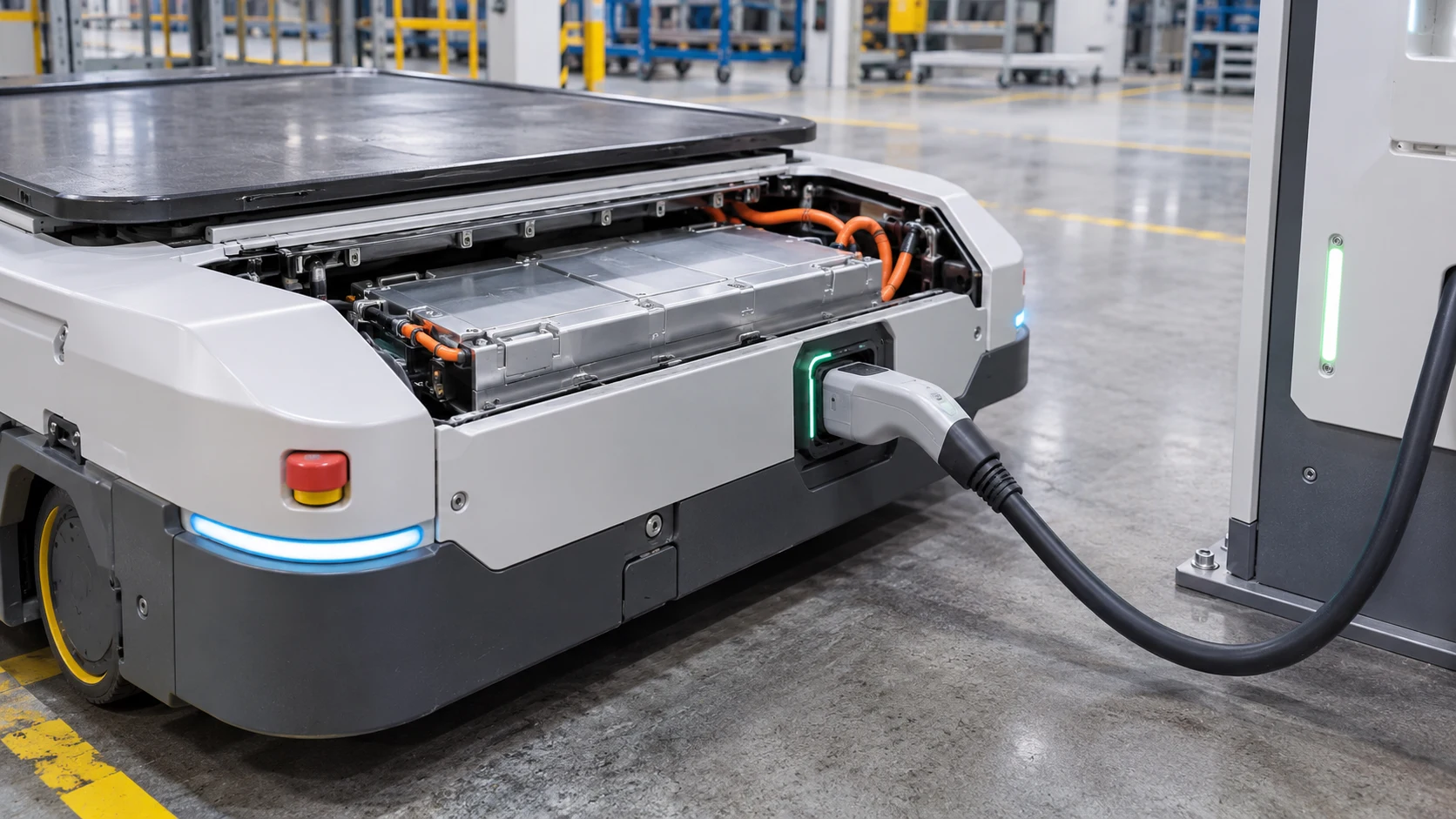
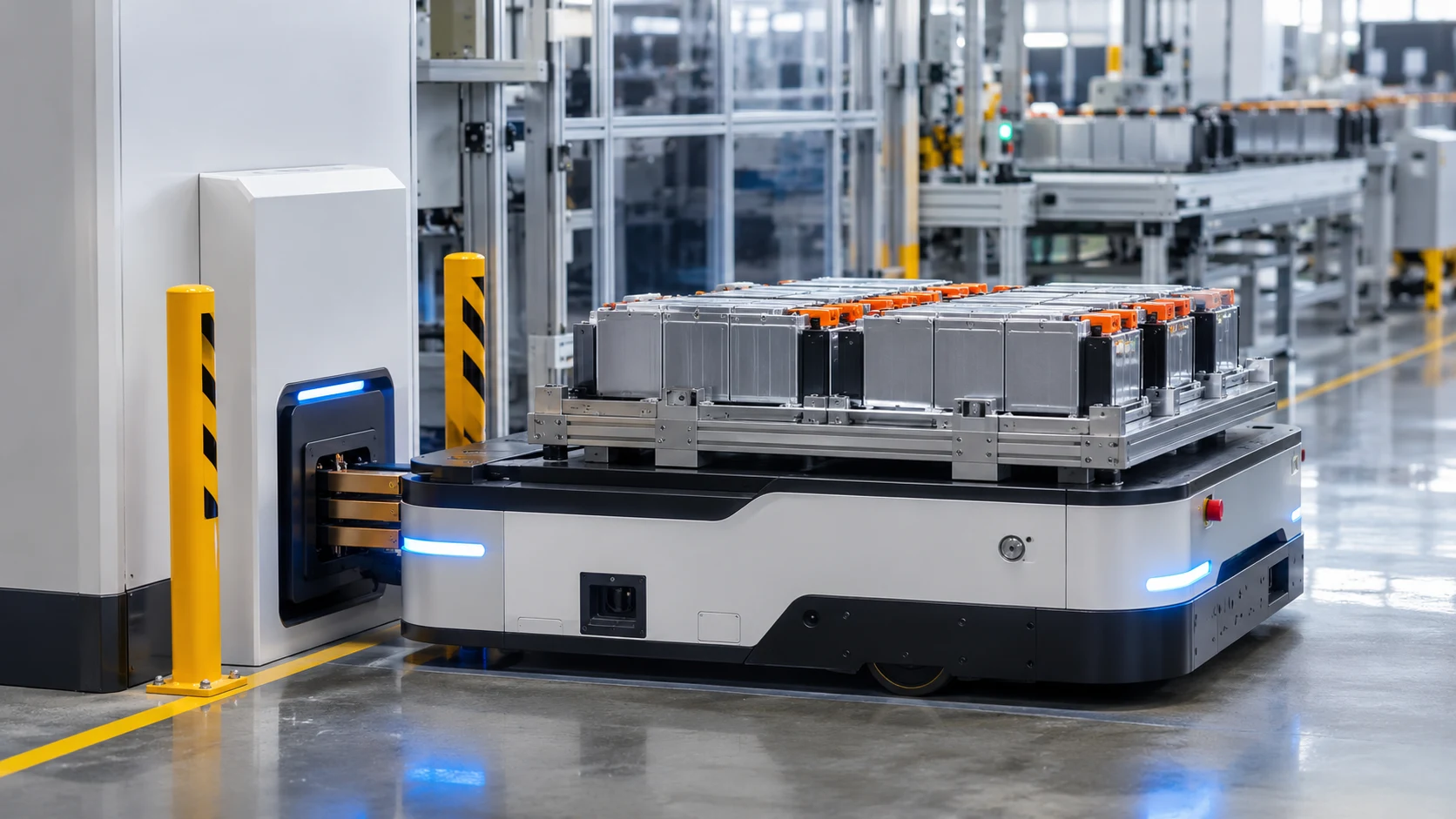
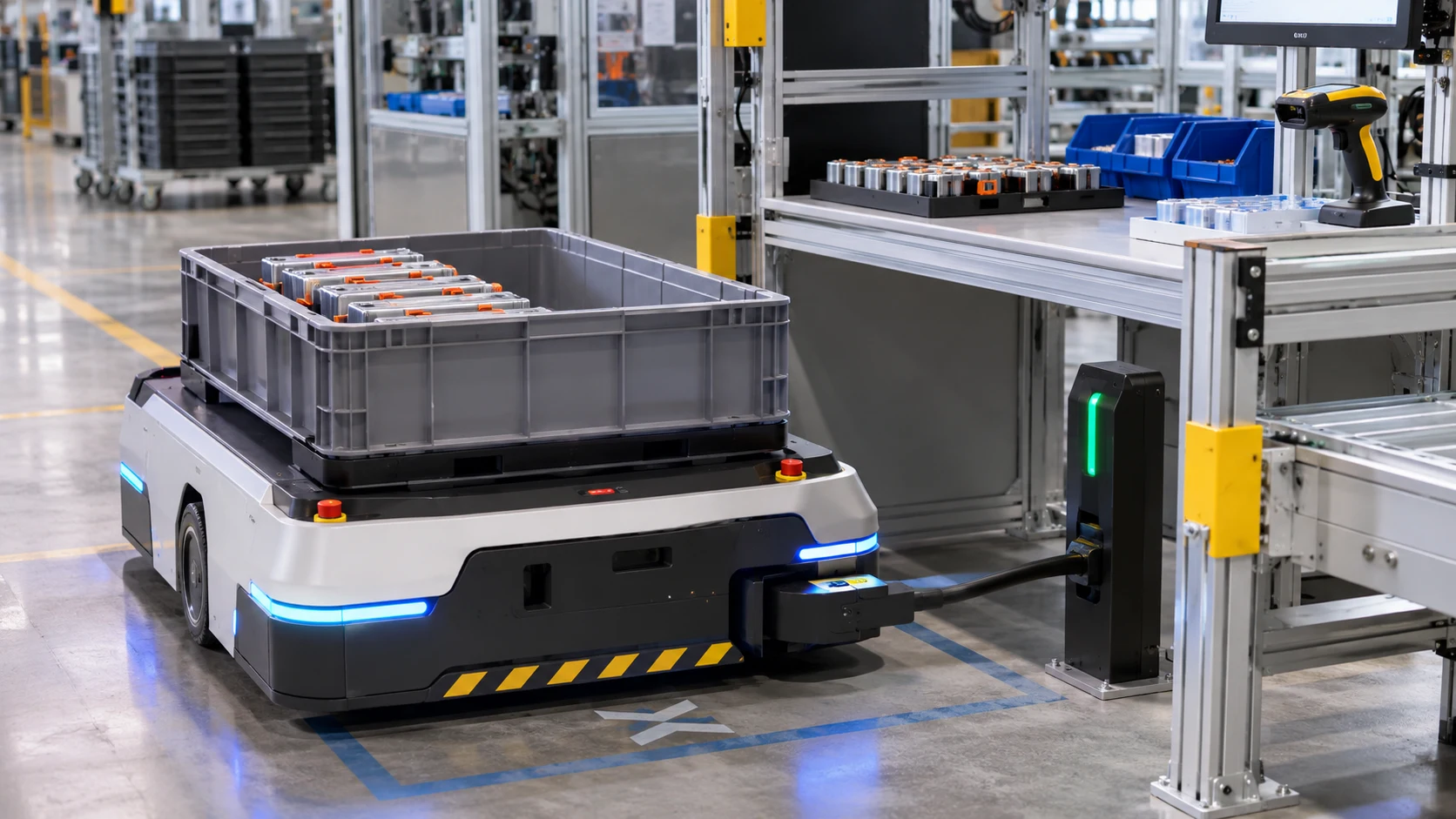
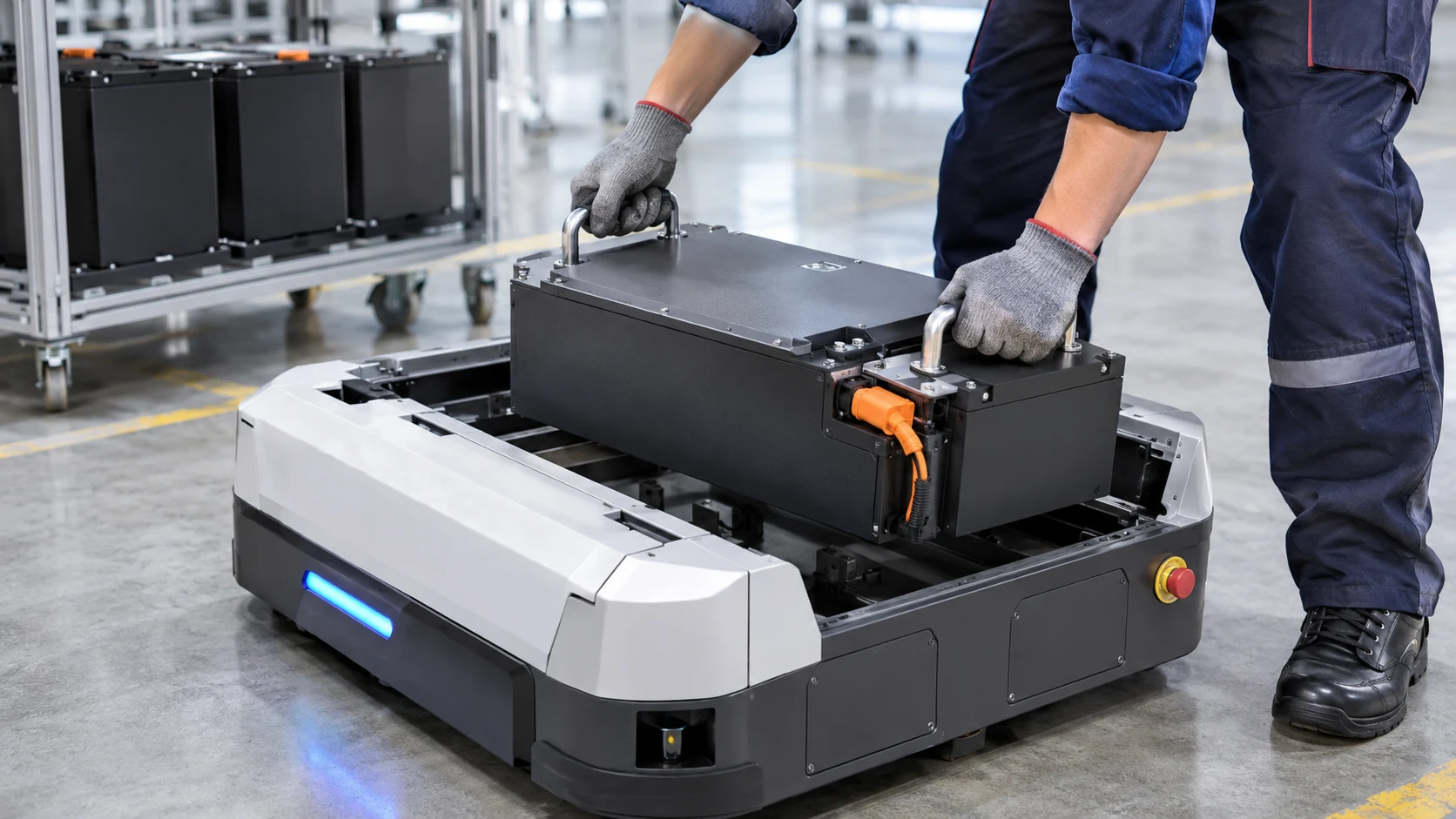
We supply a matching charger. Tell us the charging station contacts, voltage and current, and we match the pack. Charger and communication
0/50 of 5 ready
Retrofit
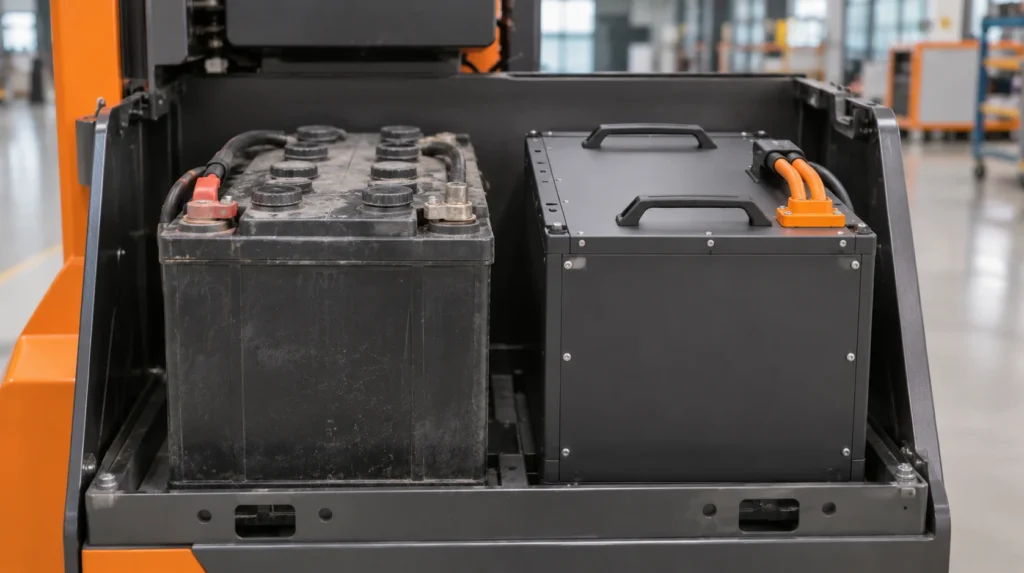
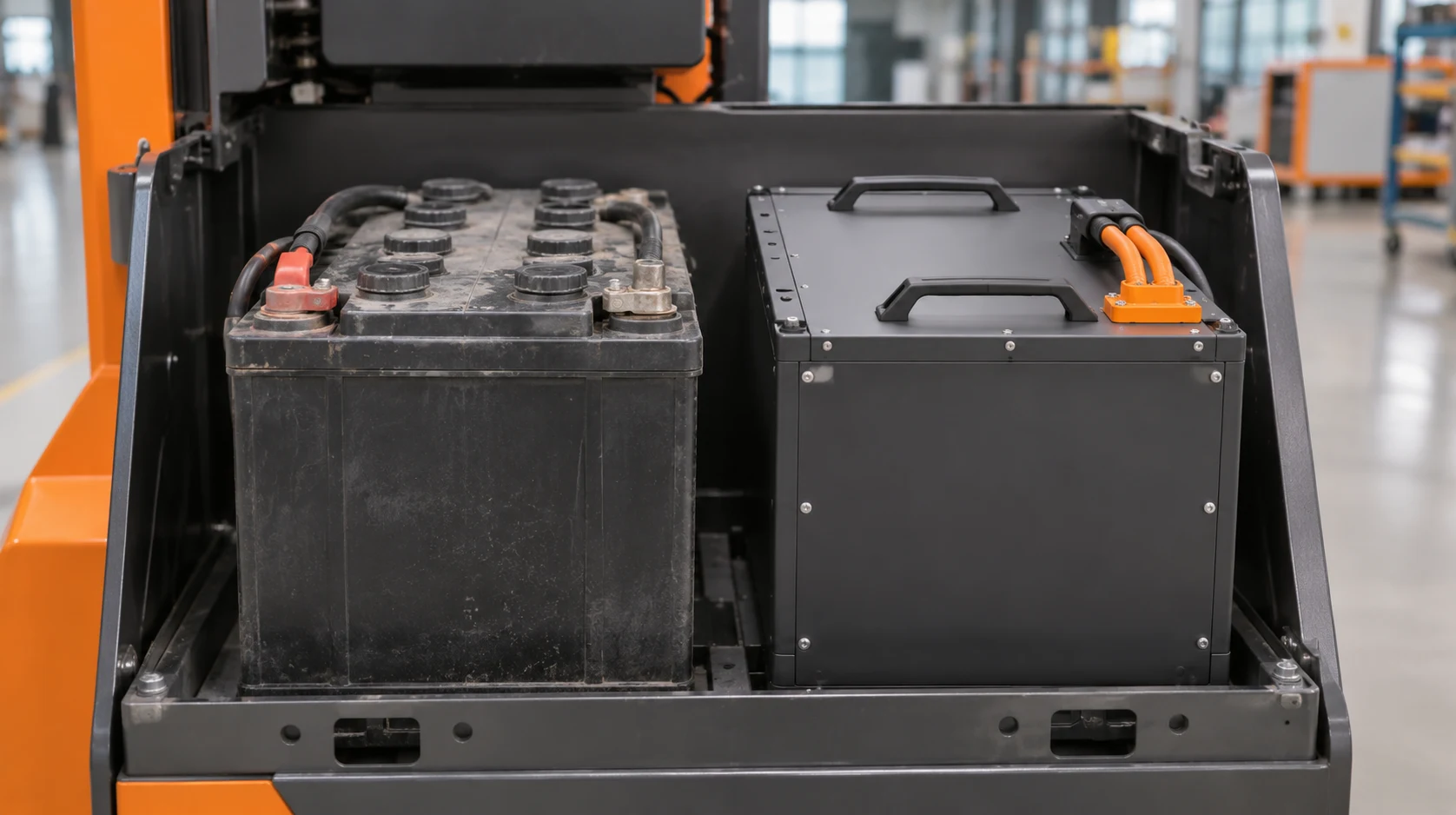
Replace a lead-acid battery
Send the bay size, voltage, connector, weight limit and charger. We propose a lithium pack that fits the same space and confirm on a sample. Tick what you already have.
Check that the AGV’s controller and charger accept the new charge profile.
Process
From first message to delivery
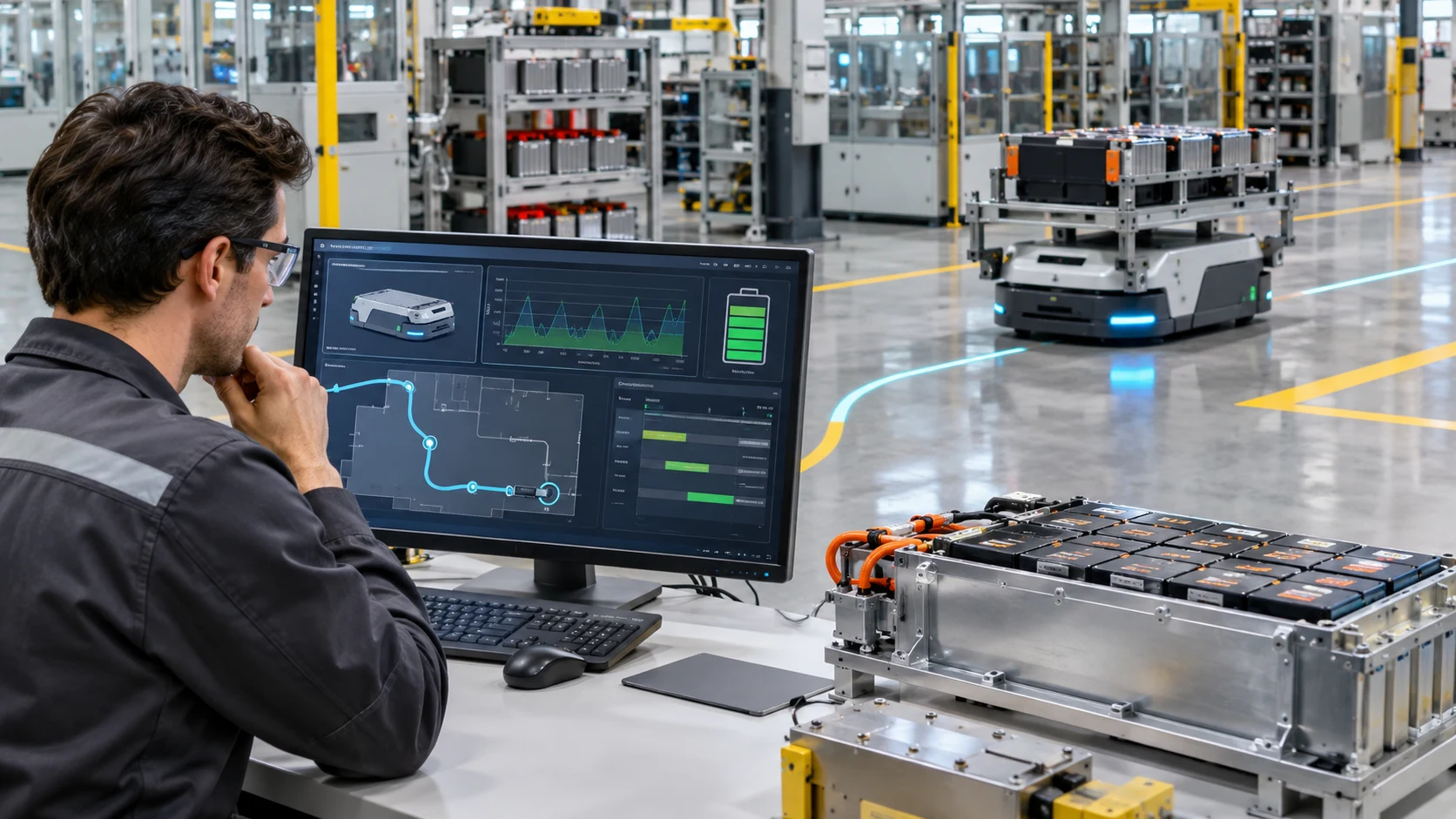 STEP 1
Send the AGV type, load, route and current battery details.
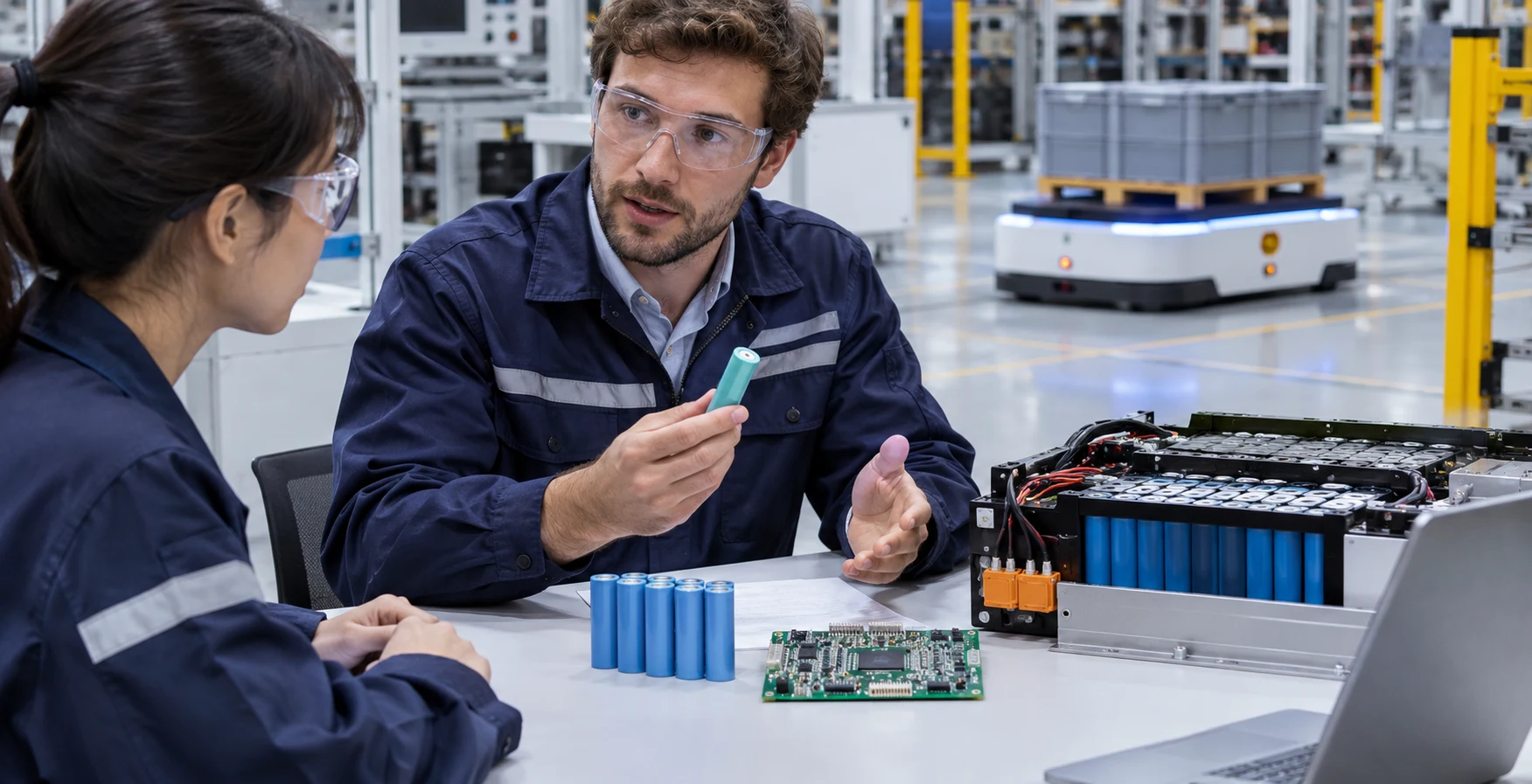 STEP 2
We review the duty, propose the cells, BMS and communication, and quote.
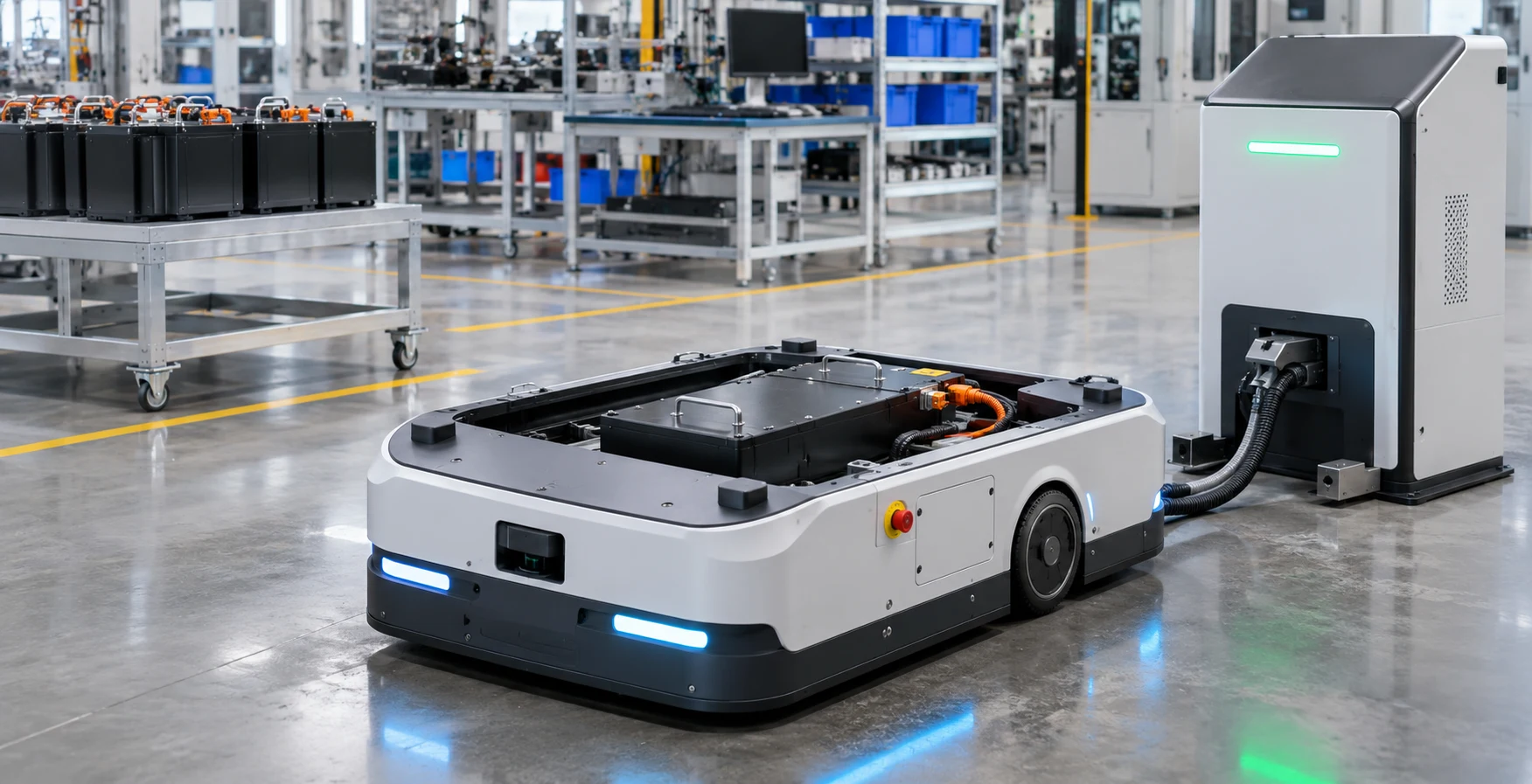 STEP 3
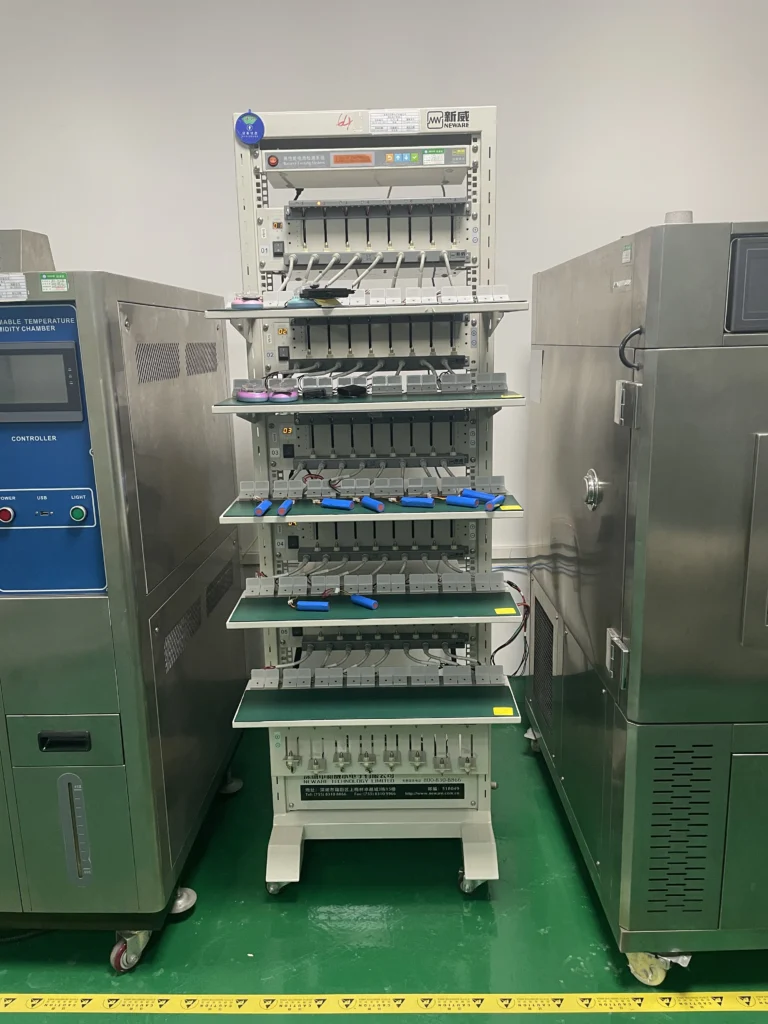
We build a charged sample, and you test it on one robot and your charger.
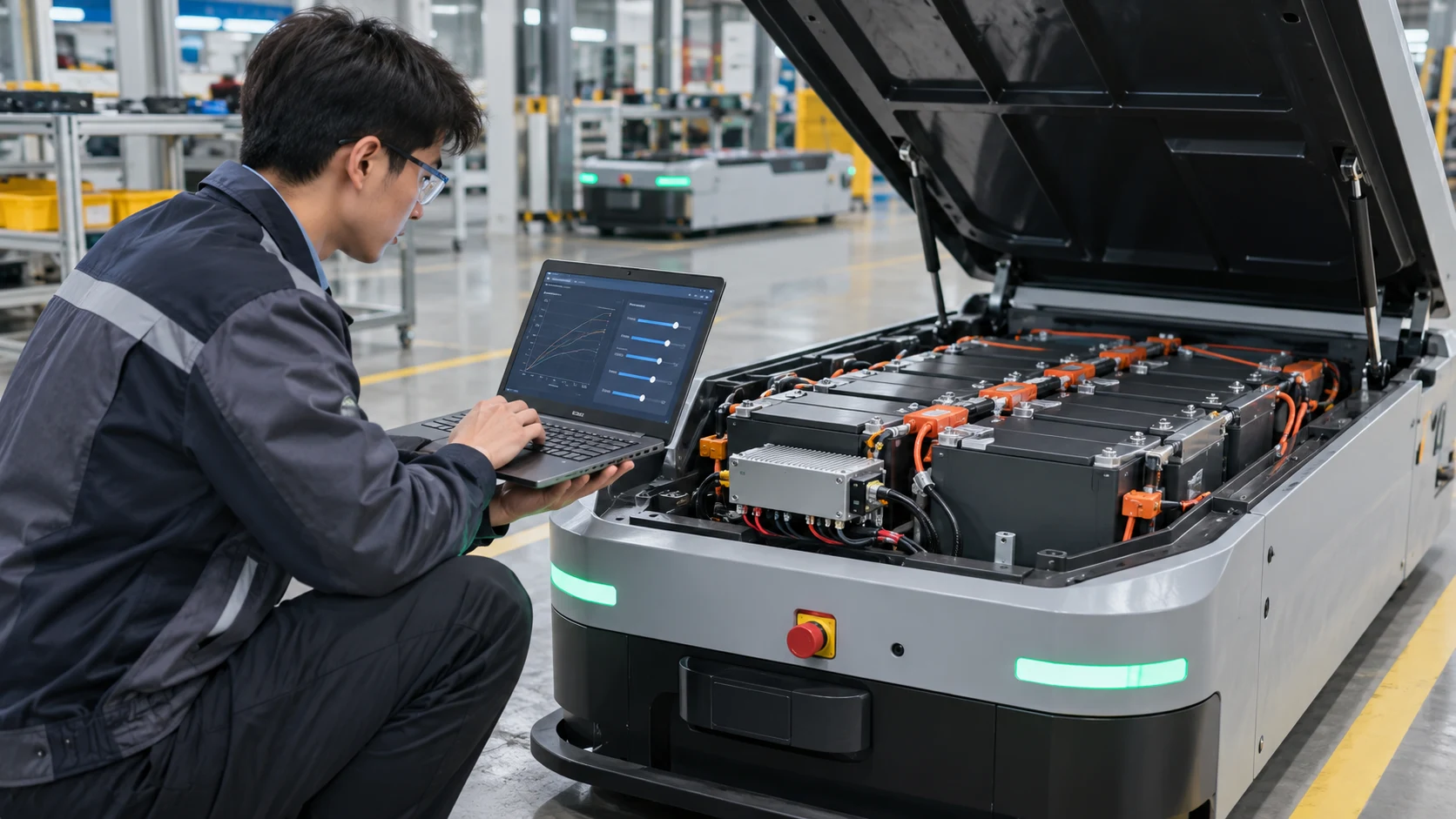 STEP 4
We tune the BMS limits, protocol or case from your results.
 STEP 5
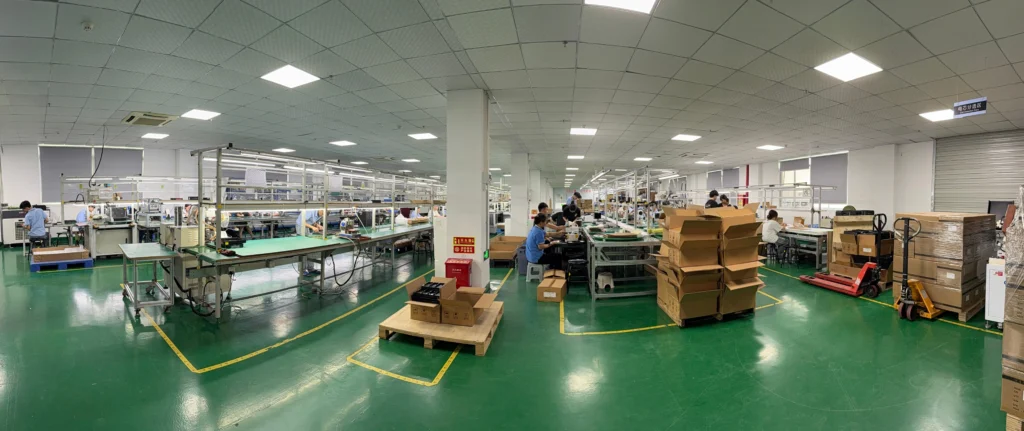
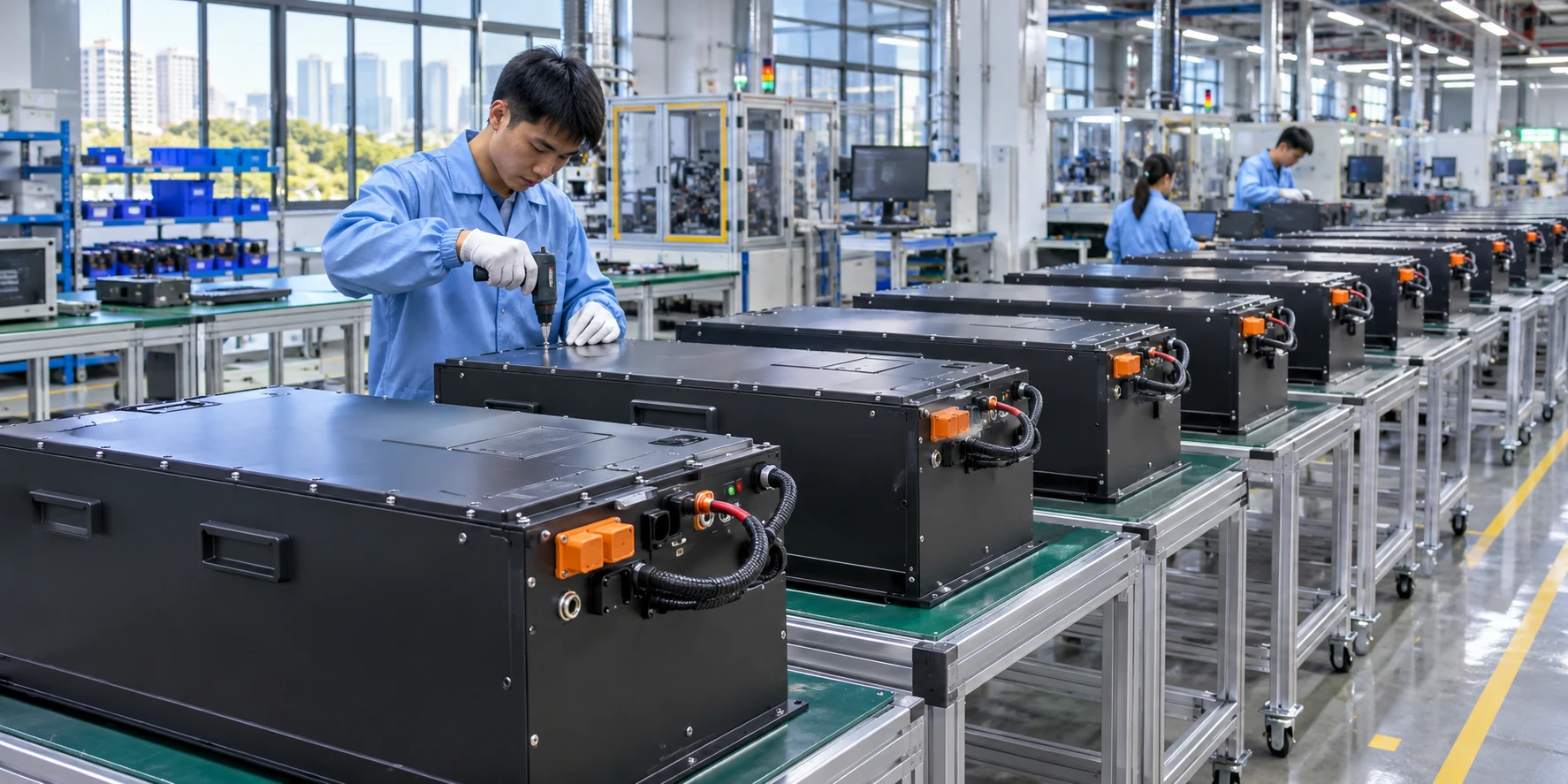
Batch production, final test and worldwide shipping from Shenzhen.