

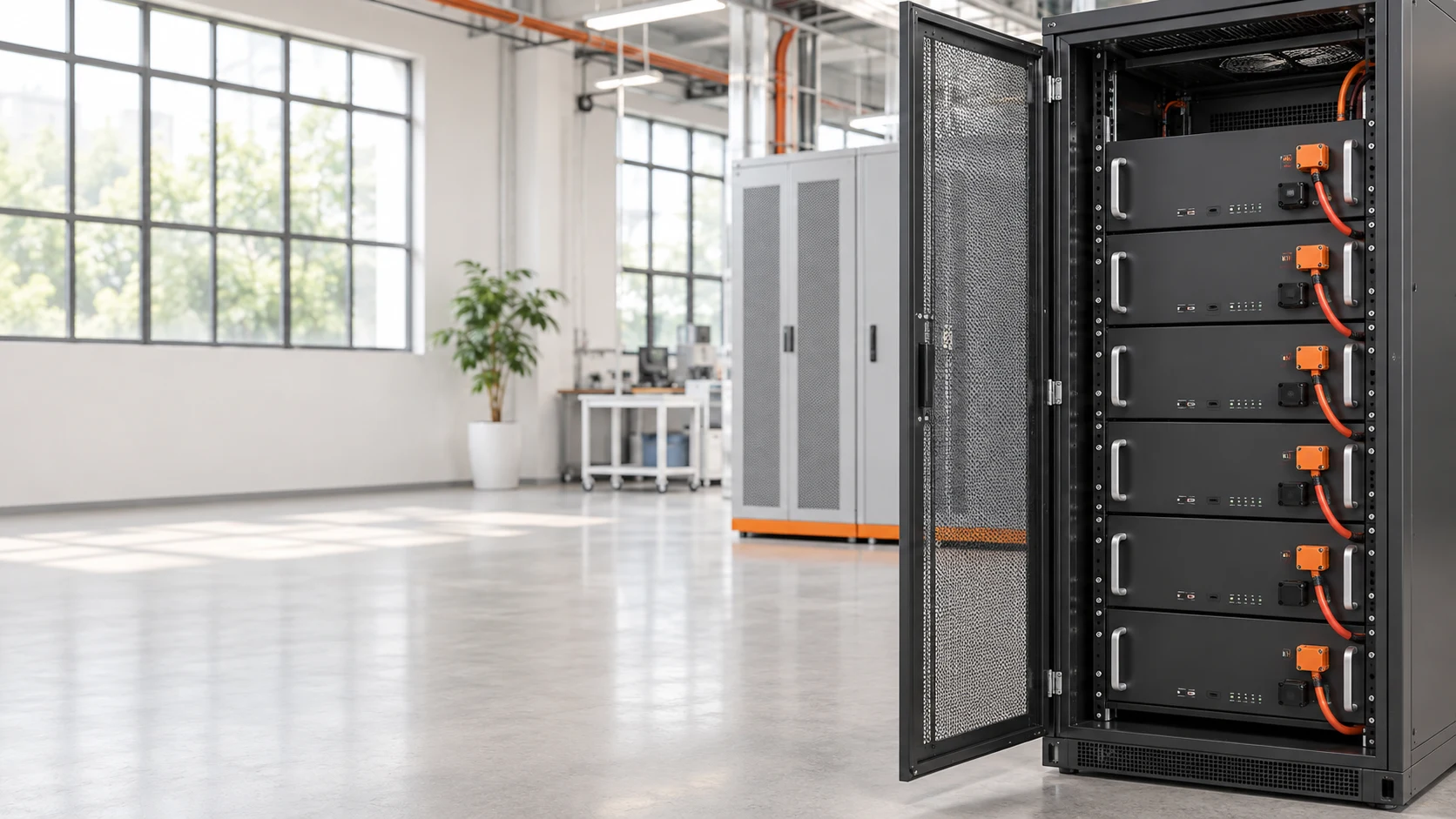












For many businesses that rely on powered equipment, backup systems, or energy storage, batteries are not just a technical component—they are part of the operating cost structure. Over the past decade, lithium batteries have become an increasingly attractive option for companies looking to improve efficiency and reduce long-term expenses.
While lithium batteries typically require a higher upfront investment than traditional lead-acid batteries, the total cost of ownership is often significantly lower. For industrial users, warehouses, energy projects, and equipment manufacturers, lithium technology can deliver meaningful cost savings over time.
Lower Energy Consumption
One of the most immediate cost advantages of lithium batteries is their higher energy efficiency. Lithium batteries usually operate at an efficiency of around 90–95%, while many traditional battery systems lose more energy during charging and discharging.
Higher efficiency means less electricity is wasted during each cycle. For businesses operating large battery systems—such as solar energy storage or electric warehouse equipment—this difference can translate into noticeable reductions in power consumption and utility bills over the life of the system.
Longer Service Life
Lithium batteries also last much longer than many traditional battery technologies. Depending on the chemistry and usage conditions, lithium batteries can typically deliver 3,000 to 6,000 charge cycles, compared with around 500 to 1,500 cycles for lead-acid batteries.
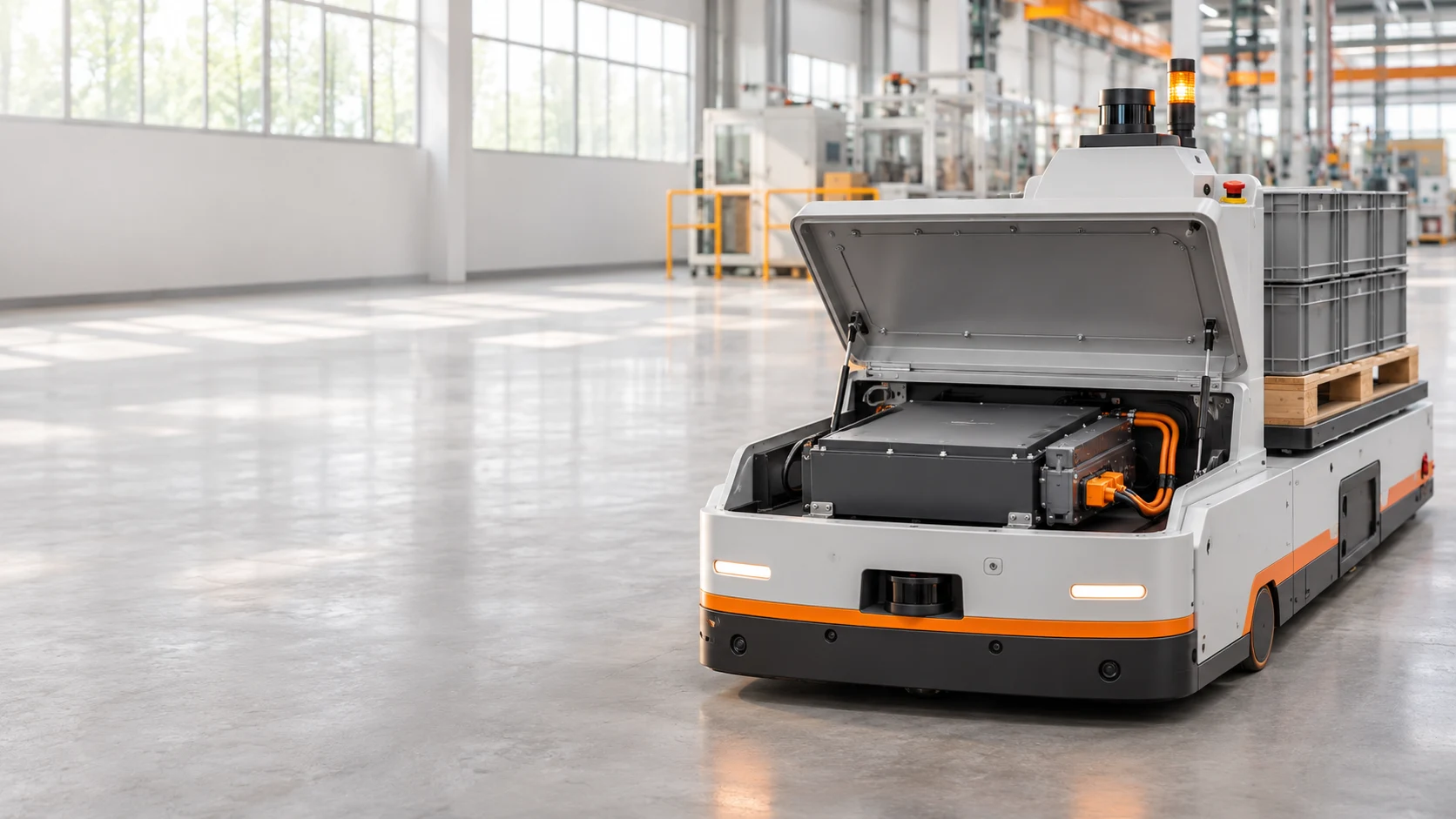
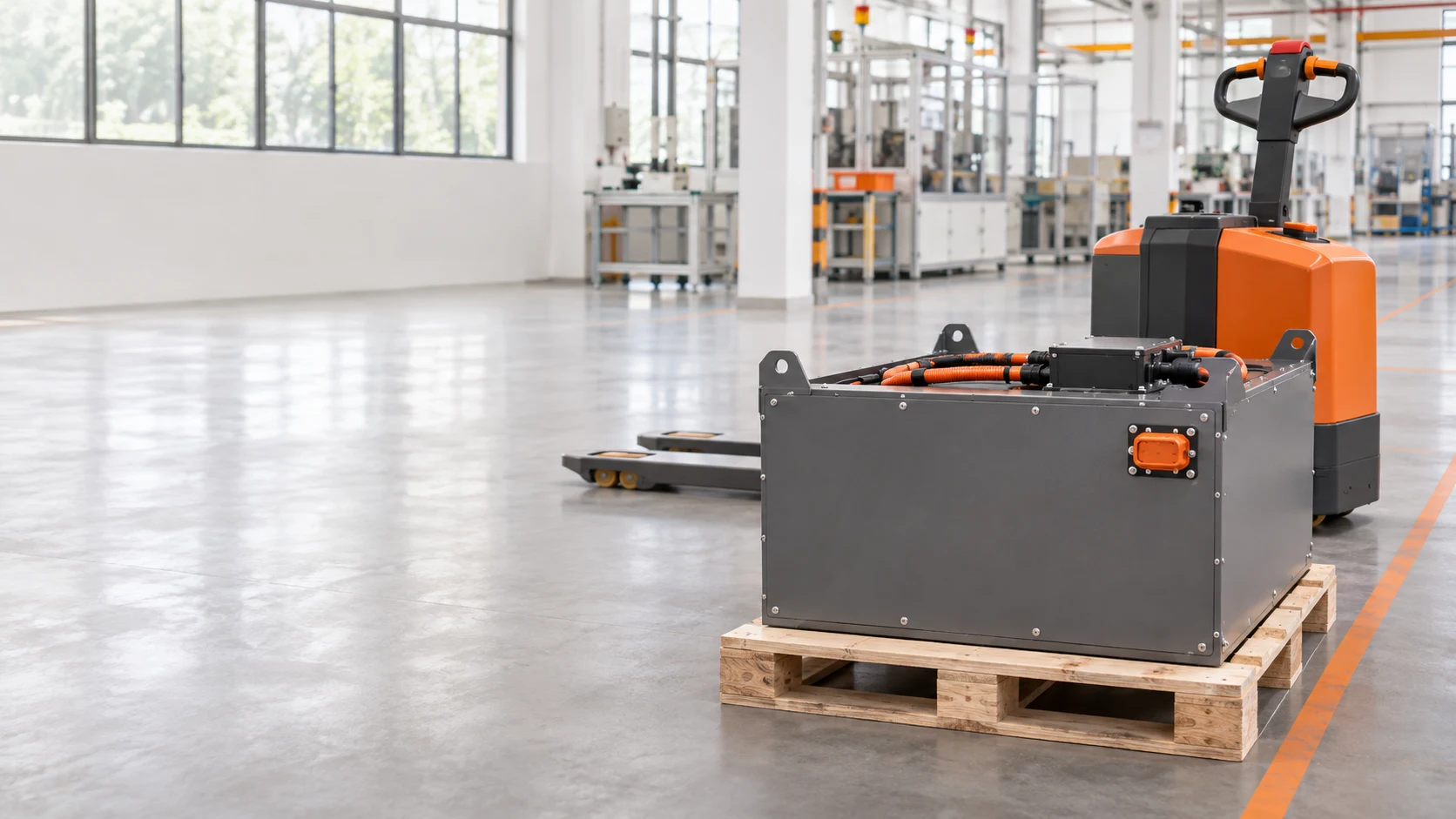
A longer lifespan means fewer battery replacements over the lifetime of equipment. For businesses operating fleets of electric forklifts, automated equipment, or energy storage systems, reducing replacement frequency can significantly lower maintenance budgets and equipment downtime.
Reduced Maintenance Requirements
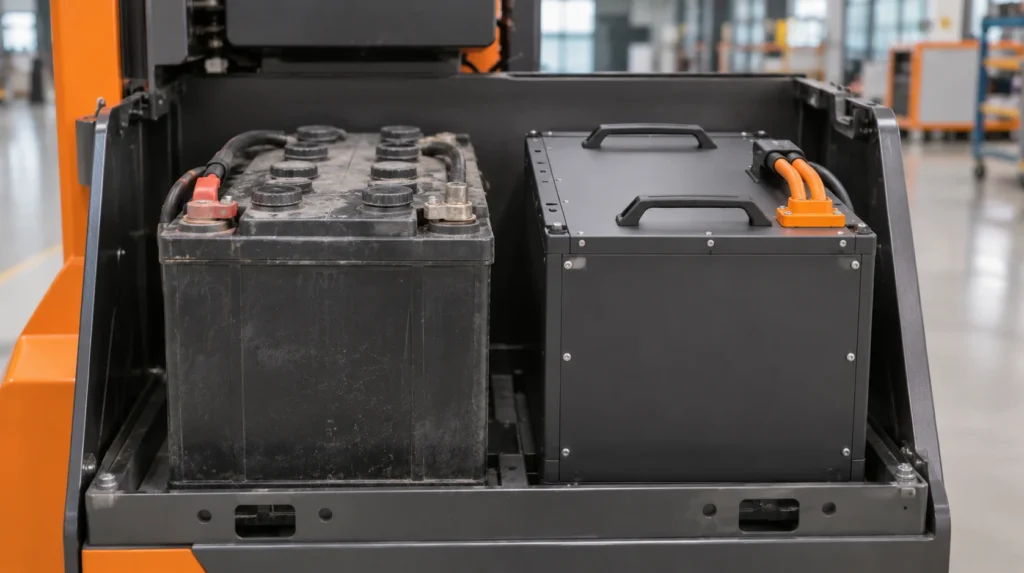
Another major advantage is the low maintenance requirement of lithium batteries. Traditional batteries often require periodic watering, equalization charging, and manual inspection. These tasks require labor, time, and operational interruptions.
Lithium batteries, by contrast, are generally maintenance-free. Built-in battery management systems monitor performance, protect against overcharging or overheating, and maintain balanced cell performance. This reduces both maintenance labor and the risk of unexpected failures.
Improved Equipment Productivity
Lithium batteries can also help businesses increase operational efficiency. They typically support faster charging and opportunity charging, which allows batteries to be partially charged during short breaks rather than requiring long charging cycles.
In warehouse environments, for example, equipment powered by lithium batteries can remain in service longer without extended downtime. This improved availability helps companies maintain productivity without needing additional spare batteries or charging infrastructure.
Better Space Utilization
Lithium batteries usually have higher energy density, meaning they can store more energy in a smaller footprint. This compact design allows companies to reduce the space required for battery storage and charging areas.
For facilities where floor space is valuable—such as distribution centers or manufacturing plants—freeing up space can support more productive use of the facility.
More Predictable Operating Costs
Finally, lithium batteries provide businesses with more predictable long-term costs. Their longer lifespan, stable performance, and lower maintenance requirements make it easier to forecast operational expenses.
Instead of dealing with frequent battery replacements, maintenance interventions, and performance degradation, companies can operate with a more stable energy system over many years.
Conclusion
Although lithium batteries may involve a higher initial investment, they can significantly reduce operating costs through improved efficiency, longer lifespan, and lower maintenance requirements. For many industrial and commercial applications, the shift to lithium technology is not just about performance—it is about building a more efficient and cost-effective operation over the long term.