







When sourcing lithium batteries for equipment, energy systems, or OEM products, buyers often wonder whether they should work directly with a battery manufacturer or purchase through a battery distributor. Both can supply batteries, but the type of support, pricing structure, and flexibility they provide can be quite different. Understanding these differences helps businesses choose the right partner for their project.
What Is a Lithium Battery Manufacturer?
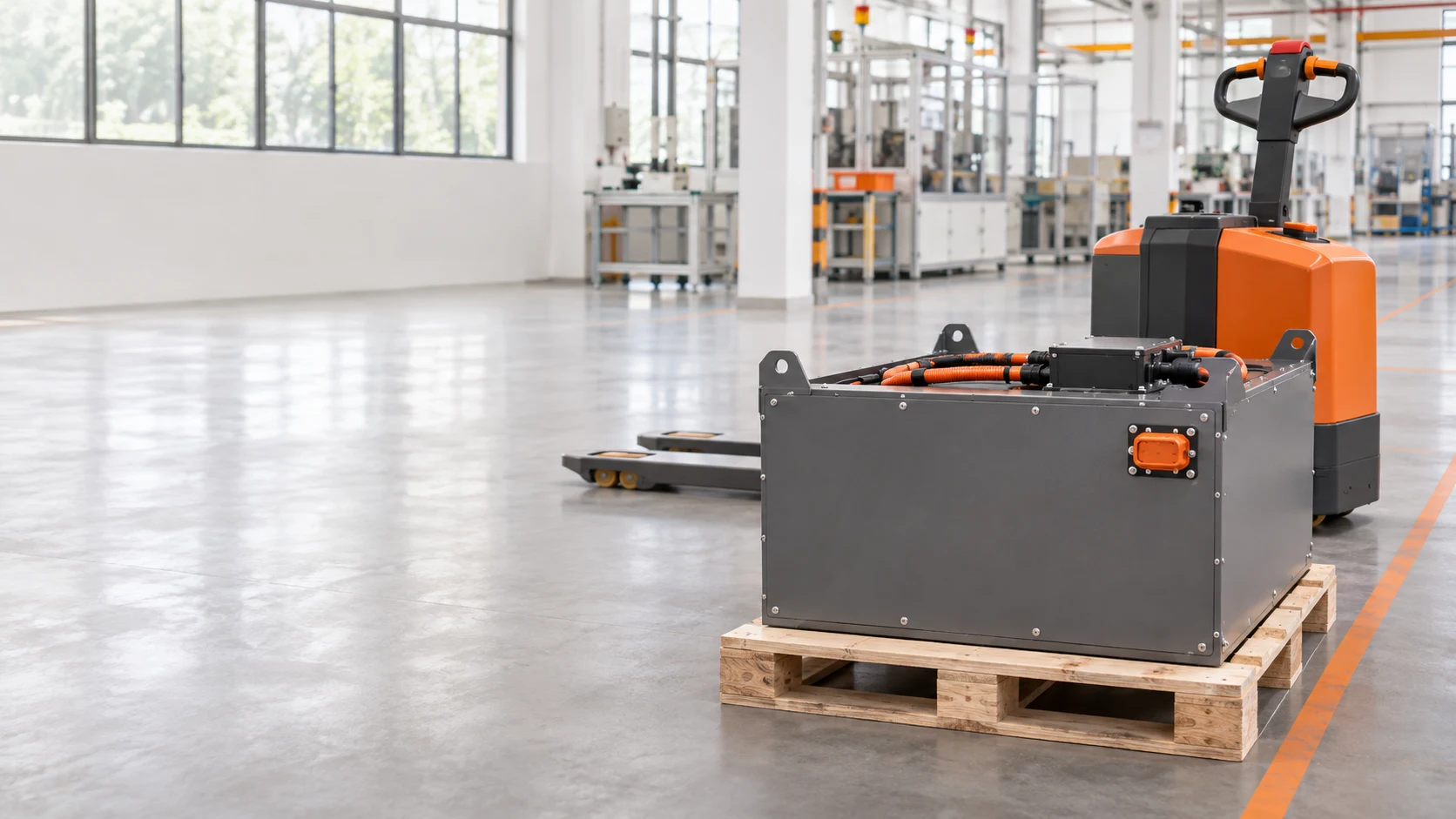
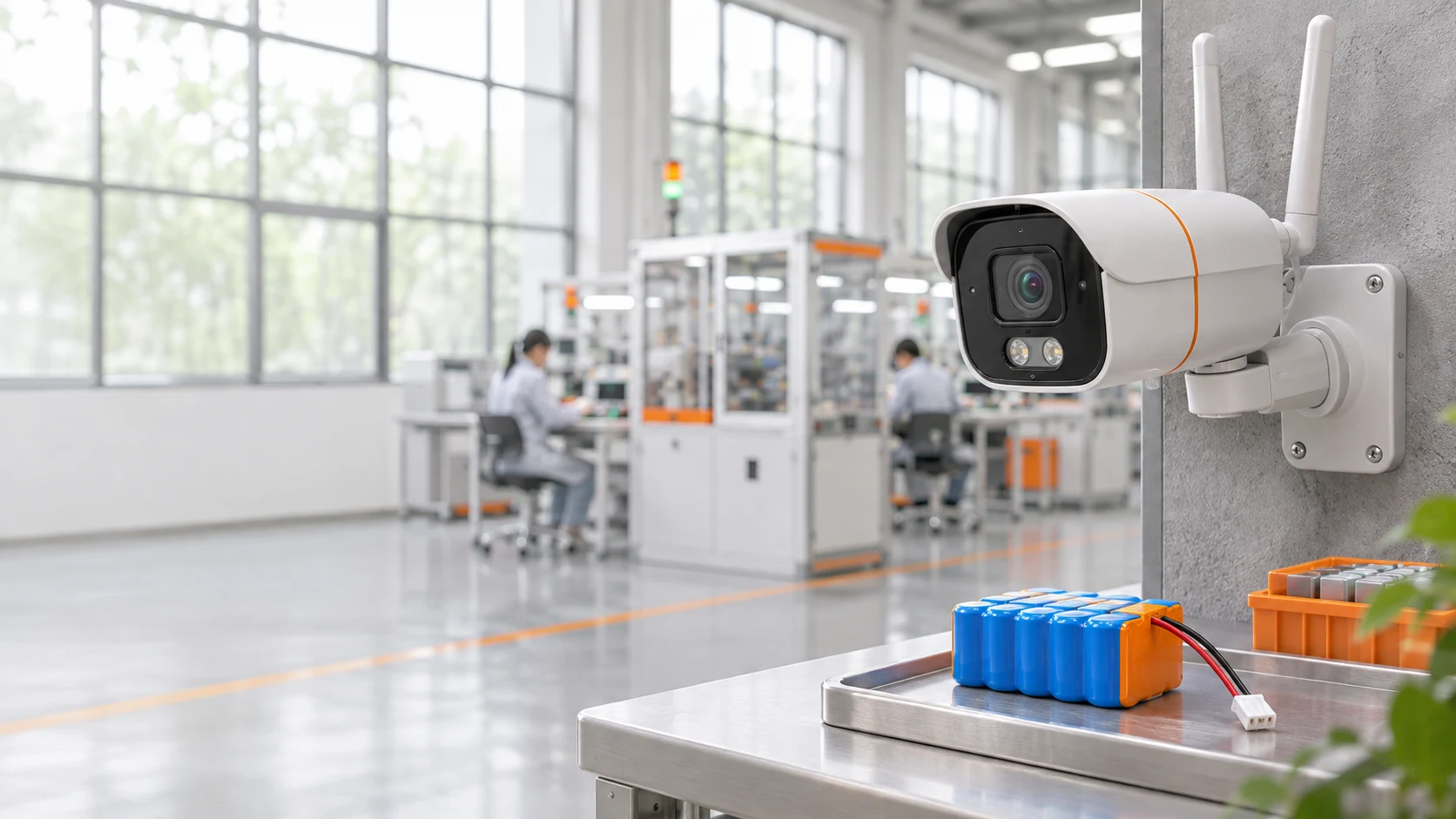
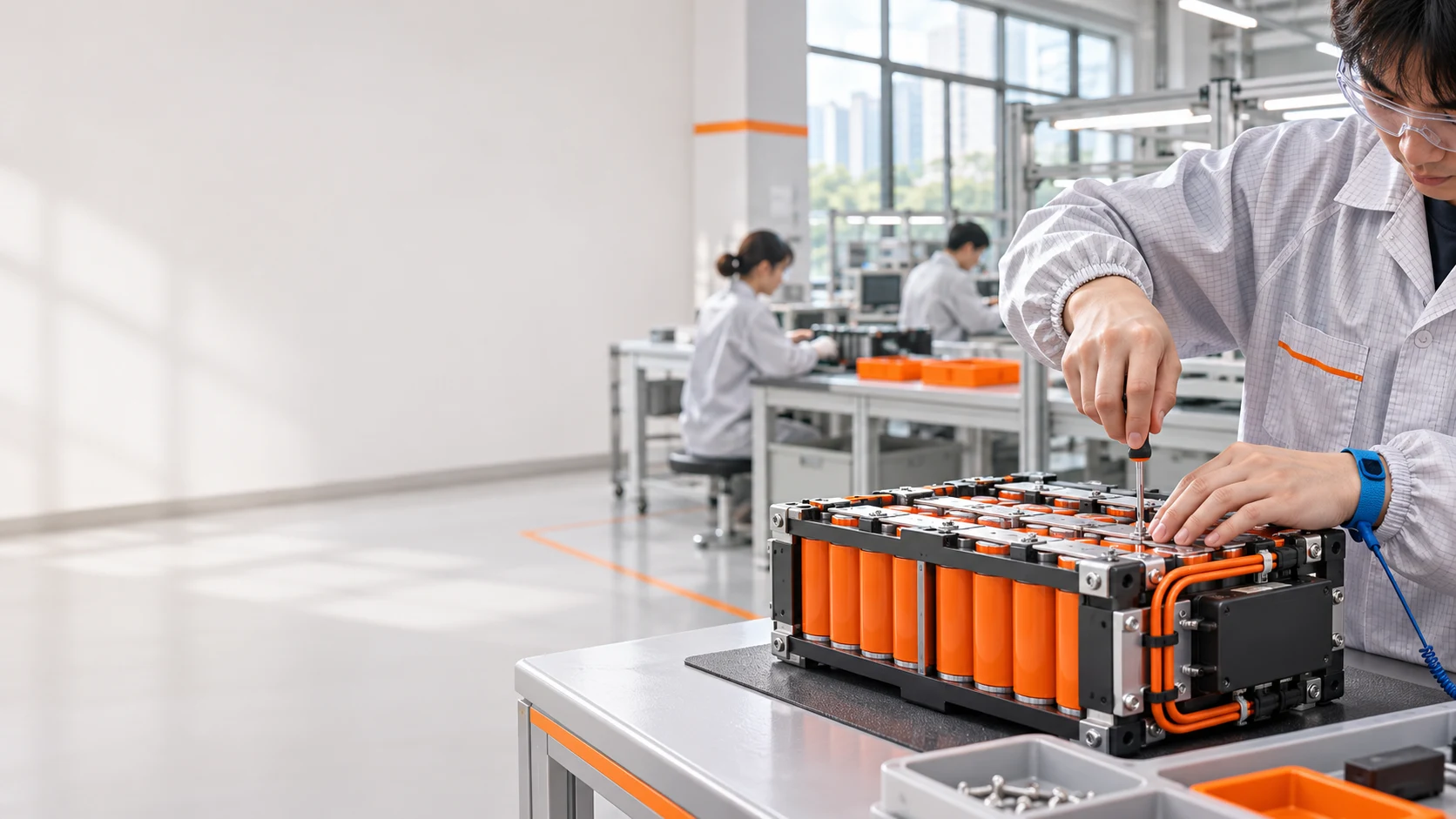
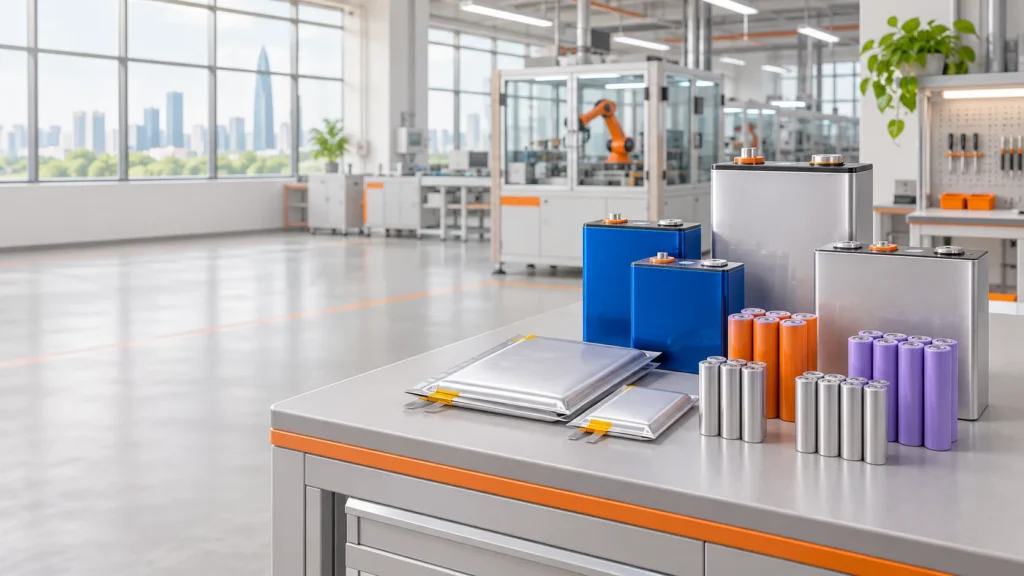
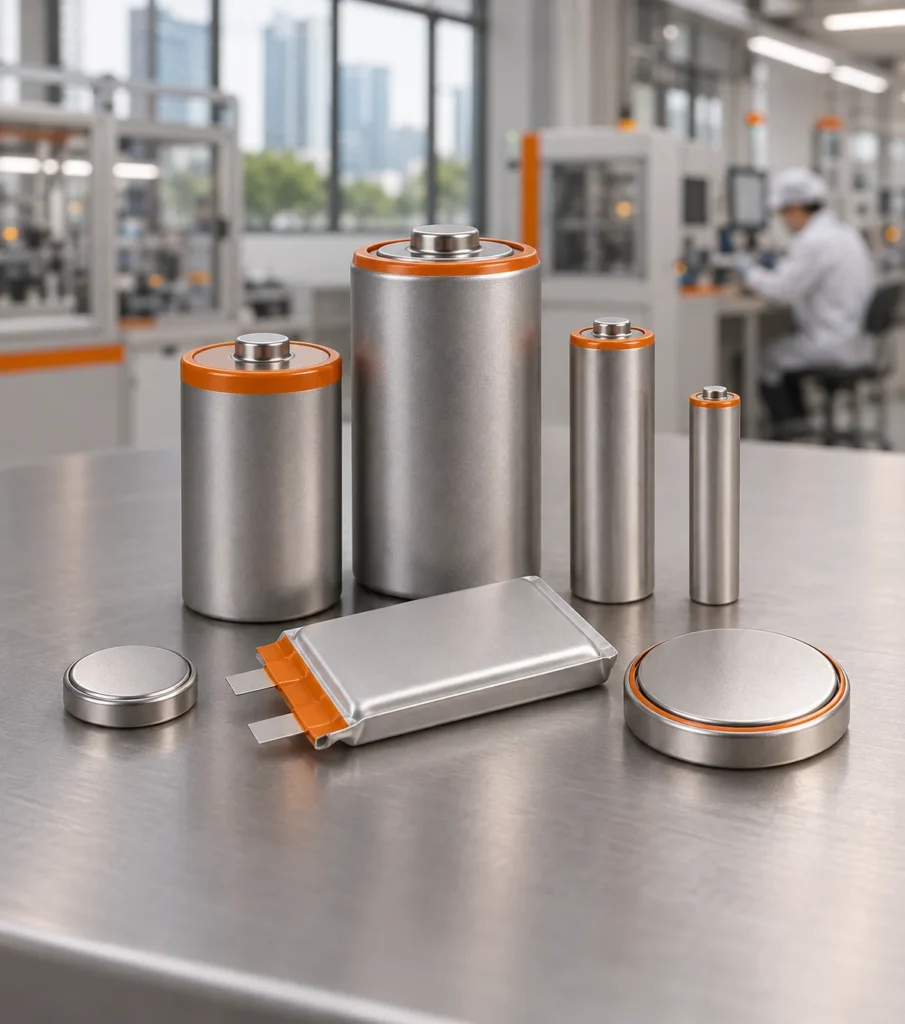
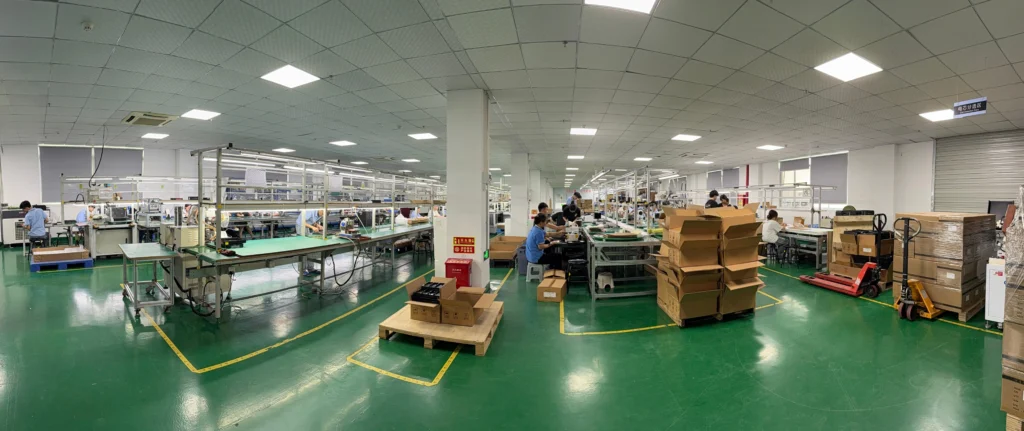
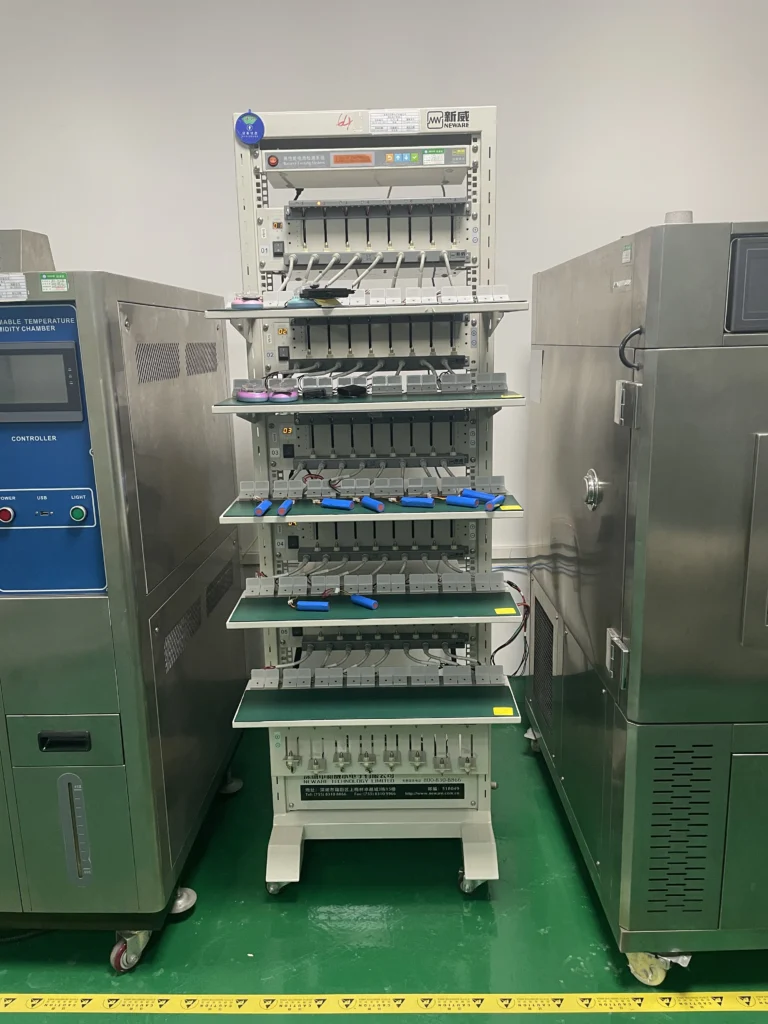
A lithium battery manufacturer is the company that designs and produces battery packs or cells in its own factory. These companies usually control key steps of production, including battery pack assembly, BMS integration, testing, and quality control.
Working directly with a manufacturer is often ideal for companies that need custom battery solutions or OEM production. Manufacturers can adjust voltage, capacity, casing design, connectors, or communication protocols to match a specific device or system.
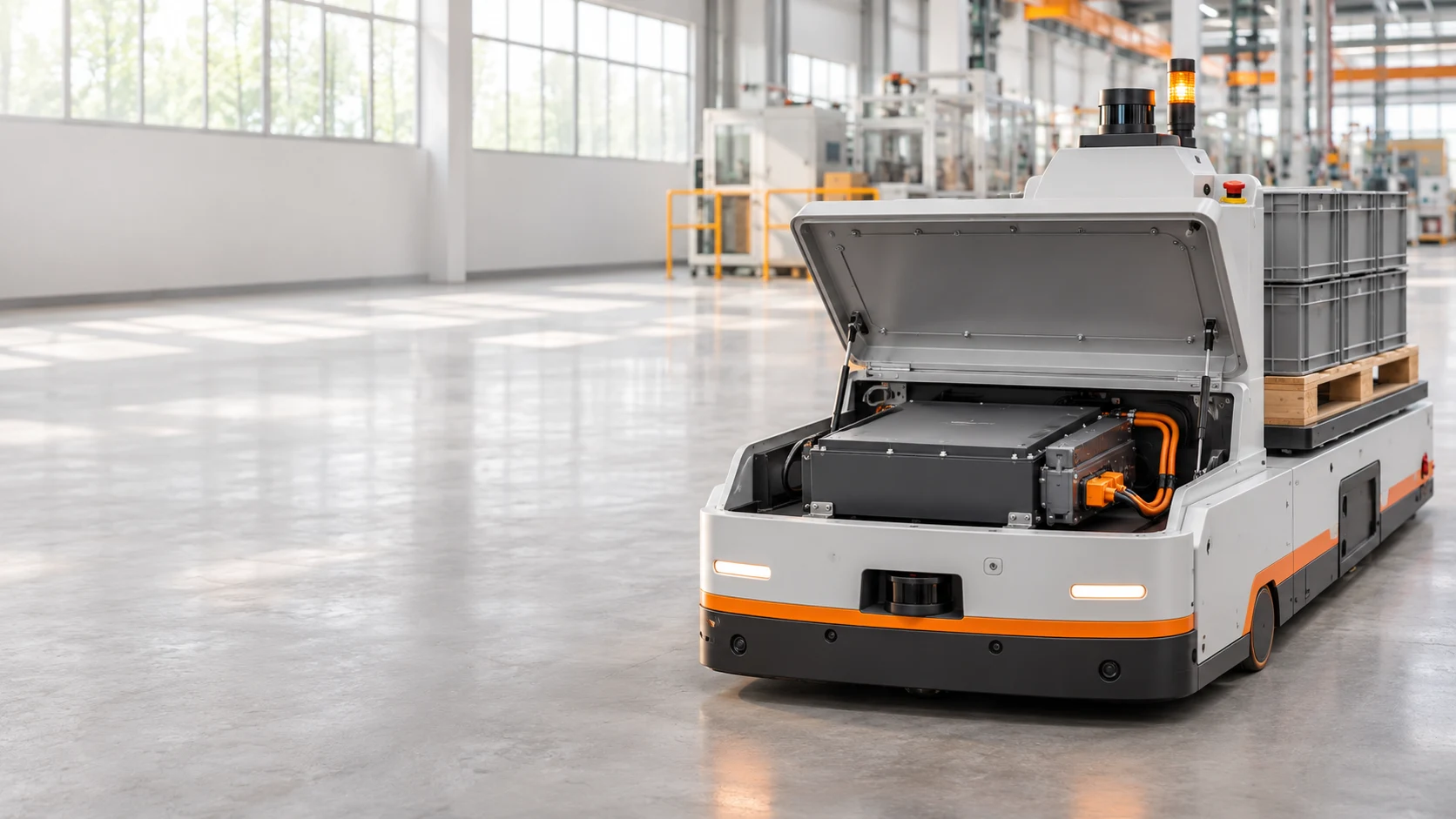
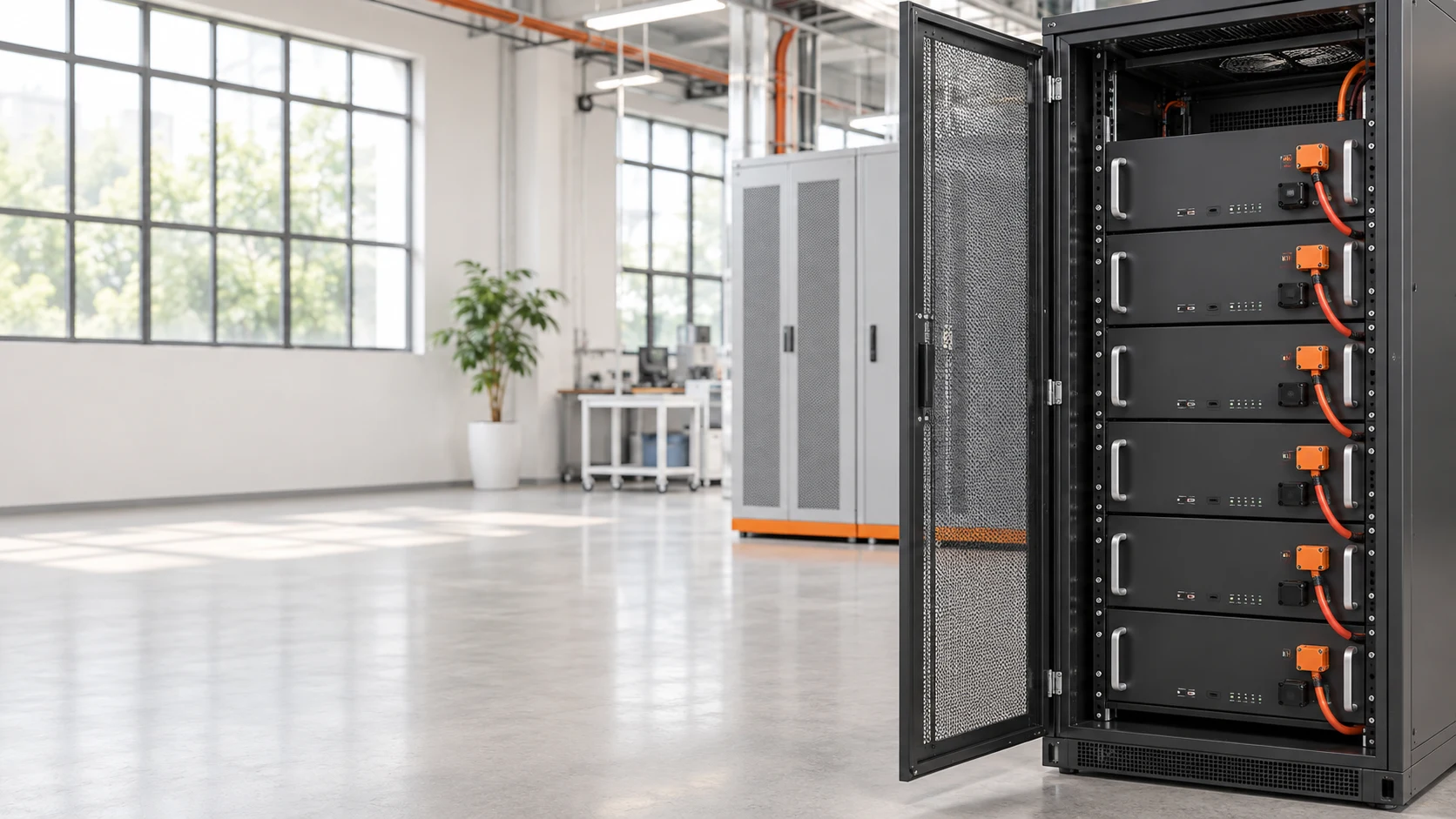
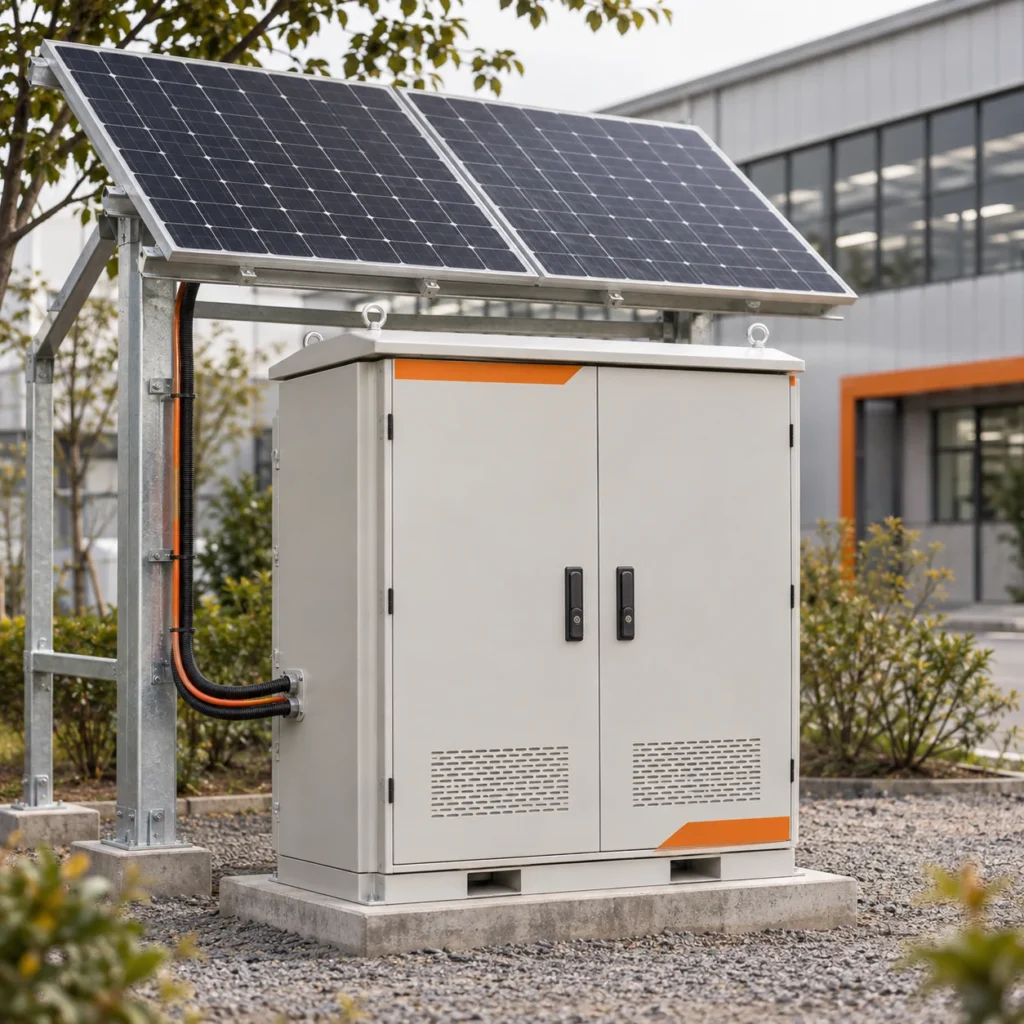
Manufacturers are also better suited for large projects, such as solar energy storage systems, electric vehicles, industrial equipment, and telecom power solutions. Because they control the production process, they can provide engineering support and long-term supply stability. However, minimum order quantities and lead times may be higher compared with distributors.
What Is a Battery Distributor?
A battery distributor purchases batteries from manufacturers and sells them to end users, integrators, or smaller businesses. Distributors usually keep inventory of standard battery models and can deliver products quickly.
For customers who need ready-to-ship batteries in small quantities, distributors can be a convenient option. They often provide local availability, faster delivery, and lower minimum order requirements.
Distributors are commonly used by maintenance companies, small equipment builders, or businesses that only need standard battery models without customization. The trade-off is that pricing may be higher, and technical customization options are usually limited.
Key Differences Between Manufacturers and Distributors
The biggest difference lies in control and flexibility. Manufacturers control the production process and can customize batteries to match a project’s requirements. Distributors mainly provide existing products that are already available in the market.
Manufacturers are typically the better choice for OEM production, large projects, and long-term partnerships. Distributors are more suitable for quick purchases of standard batteries or small replacement orders.
Another difference is pricing. Buying directly from manufacturers can reduce costs for bulk orders, while distributors usually include additional margins for storage, logistics, and local service.
Which One Should You Choose?
The best choice depends on the type of project you are working on. If your business requires custom battery packs, long-term supply, or large quantities, working directly with a lithium battery manufacturer is often the better option.
However, if you need small quantities of standard batteries with fast delivery, a distributor may be more convenient.
For many companies, the ideal strategy is to work with a manufacturer for core projects and OEM production, while distributors remain useful for smaller purchases or replacement batteries. Choosing the right partner ultimately helps ensure reliability, cost efficiency, and long-term project success.