





































Understanding the NFPA 704 System
NFPA 704 is a standard developed by the National Fire Protection Association to quickly communicate the hazards of materials to emergency responders. It is commonly referred to as the “fire diamond” because of its distinctive four-colored diamond shape.
The system uses a combination of colors and numbers to indicate the level of risk associated with a material, including health hazards, flammability, reactivity, and special warnings. For lithium batteries, this rating helps firefighters and safety personnel understand potential dangers during storage, transport, or incidents.
What the NFPA 704 Diamond Represents
The NFPA 704 symbol is divided into four sections, each representing a different type of hazard.
The blue section indicates health risk. It shows how dangerous the material is to human health when exposure occurs.
The red section represents flammability. It reflects how easily the material can ignite under normal conditions.
The yellow section indicates reactivity or instability. It describes how likely the material is to undergo violent chemical changes.
The white section is used for special hazards, such as materials that react with water or require specific handling precautions.
Each of the first three sections is rated on a scale from 0 to 4, with higher numbers indicating greater hazard.
Typical NFPA 704 Ratings for Lithium Batteries
Lithium batteries are not assigned a single universal NFPA 704 rating, as their classification can vary depending on chemistry, condition, and form (cells, modules, or packs). However, there are general patterns based on their properties.
For many lithium-ion batteries in stable condition, the flammability rating is often moderate due to the presence of flammable electrolytes. The health hazard rating is typically low to moderate, reflecting limited direct toxicity under normal conditions. Reactivity is generally low unless the battery is damaged, overheated, or improperly handled.
In practical terms, lithium batteries are considered relatively stable under normal conditions but can become hazardous if subjected to abuse such as overcharging, physical damage, or exposure to high temperatures.
Why NFPA 704 Ratings Matter for Lithium Batteries
NFPA 704 ratings are especially important in environments where lithium batteries are stored or used in large quantities.
In warehouses, energy storage systems, and industrial facilities, proper hazard identification helps emergency responders act quickly and appropriately. Knowing the flammability and reactivity characteristics of lithium batteries allows for better firefighting strategies and safer handling procedures.
For manufacturers and system integrators, understanding NFPA 704 is also part of broader compliance with safety regulations and risk management practices.
Limitations of NFPA 704 for Batteries
While NFPA 704 provides a quick visual reference, it has limitations when applied to lithium batteries.
The system was originally designed for chemicals rather than complex electrochemical systems. As a result, it may not fully capture dynamic risks such as thermal runaway, gas release, or cascading failure in battery packs.
Because of this, NFPA 704 should be used alongside other standards and labeling systems, such as UN transportation classifications and battery-specific safety guidelines.
How NFPA 704 Is Used in Practice
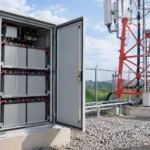
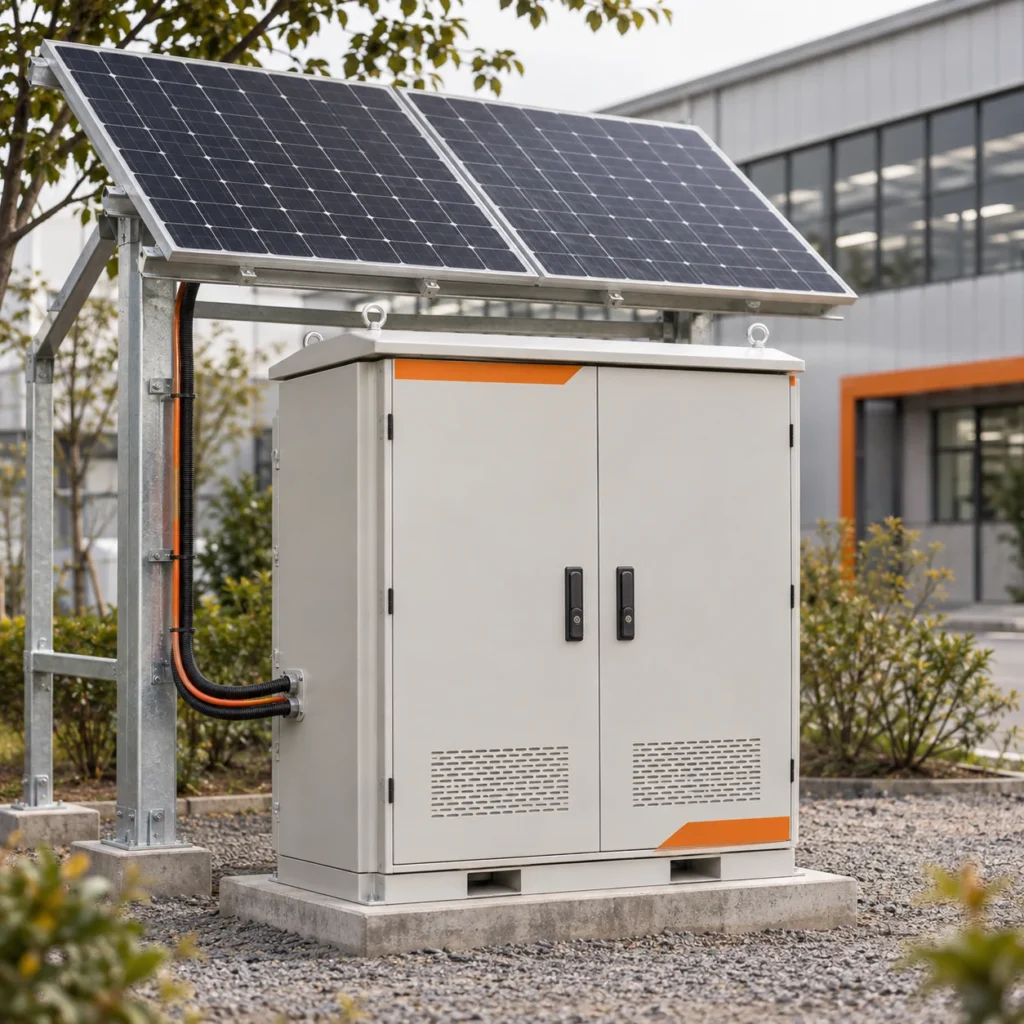
In real-world applications, NFPA 704 labels are typically displayed on storage areas, battery cabinets, or facilities where hazardous materials are present.
They are not usually printed directly on small battery cells, but are more relevant at the facility or system level. For example, large battery storage systems or warehouses may display NFPA 704 signage to inform emergency personnel of potential hazards.
Proper labeling ensures that even in emergency situations, responders can quickly assess the risks without needing detailed technical information.
Final Thoughts
NFPA 704 provides a simple but effective way to communicate hazard information for lithium batteries, especially in industrial and storage environments.
While it does not replace detailed technical assessments, it plays an important role in improving safety awareness and emergency response. For anyone involved in battery manufacturing, storage, or system integration, understanding how NFPA 704 applies to lithium batteries is an essential part of safe operations.