




































Flat batteries are widely used in modern electronics where space efficiency, lightweight design, and stable power output are critical. From consumer devices to industrial equipment, choosing the right flat battery can significantly affect performance, lifespan, and safety.
In this guide, we’ll walk through the main types of flat batteries, explain their differences, and help you choose the best option for your specific application.
What Is a Flat Battery?
A flat battery refers to a battery with a thin, flat form factor, designed to fit compact or low-profile devices. Unlike cylindrical batteries, flat batteries are optimized for space-saving designs and are commonly used in portable electronics, medical devices, and customized battery packs.
Common Types of Flat Batteries
Coin Cell Batteries (Button Batteries)
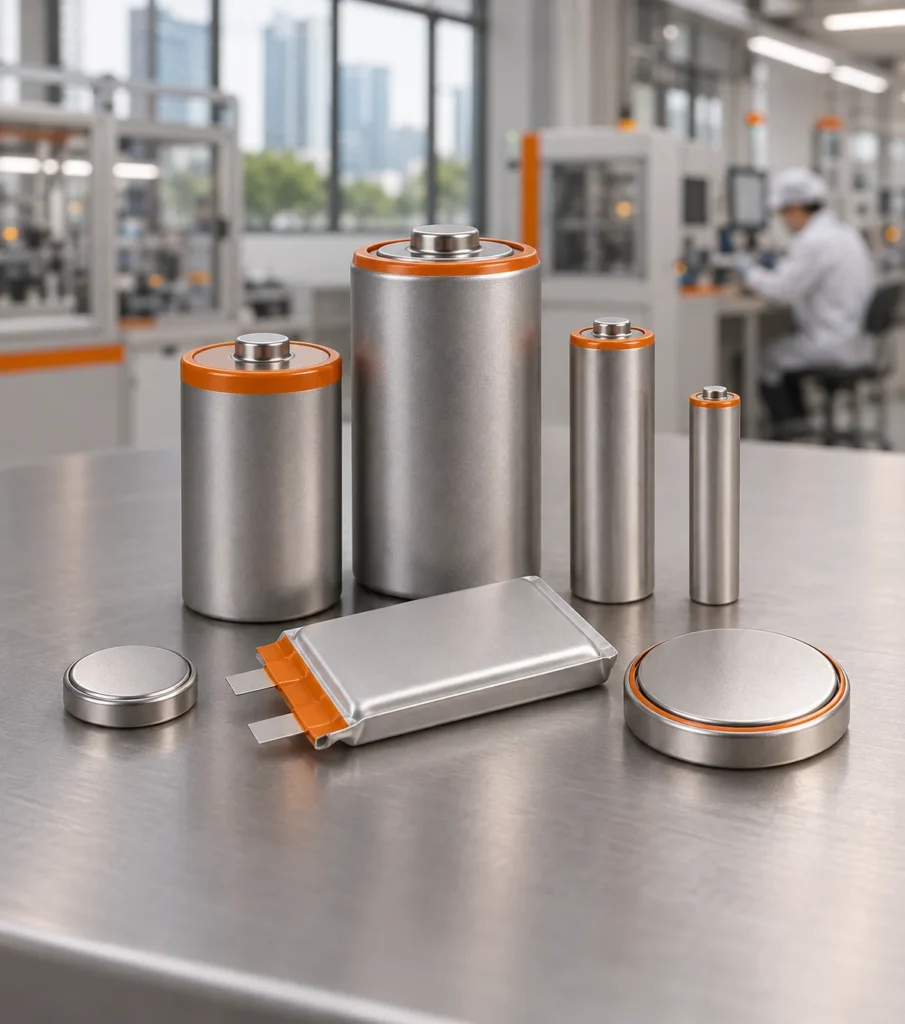
Coin cell batteries are small, round, and flat. They are typically used in low-power devices that require long standby time.
These batteries are compact, lightweight, and known for their long shelf life. However, they provide limited current output and are not rechargeable.
Common applications include watches, remote controls, memory backup systems, and small sensors.
Lithium Polymer (LiPo) Flat Batteries
Lithium polymer batteries are one of the most widely used flat battery types today. They use a flexible aluminum pouch instead of a rigid metal casing, allowing greater freedom in size and thickness.
Their main advantages include high energy density, lightweight construction, and excellent customization capability. Lithium polymer batteries are ideal for devices with strict space and weight requirements.
They are commonly used in wearable devices, Bluetooth products, GPS trackers, and various consumer electronics.
Prismatic Lithium-Ion Batteries
Prismatic lithium-ion batteries feature a flat, rectangular shape enclosed in a rigid metal casing. Compared with lithium polymer batteries, they offer better mechanical strength and structural stability.
These batteries provide reliable performance and are well suited for applications that require higher capacity or modular battery design.
Typical applications include power banks, industrial equipment, energy storage modules, and electric mobility products.
Thin Alkaline Flat Batteries
Thin alkaline flat batteries are less common but still used in certain low-drain applications where cost control is a priority.
They are generally inexpensive and easy to source but have lower energy density and are not rechargeable. As a result, they are mainly used in simple electronic products with limited power demands.
Key Differences Between Flat Battery Types
Coin cell batteries are extremely thin but offer low energy output and are disposable. Lithium polymer batteries provide the highest design flexibility and energy density, making them ideal for compact rechargeable devices. Prismatic lithium-ion batteries focus on durability and stability, often preferred in industrial or higher-power applications. Thin alkaline flat batteries are cost-effective but limited in performance.
Each type serves a different purpose, and no single flat battery is suitable for all applications.
How to Choose the Right Flat Battery
When selecting a flat battery, the first consideration should be power requirements. Devices that need frequent charging or higher current output typically require rechargeable lithium batteries.
Space and thickness constraints are also critical. For ultra-thin designs, lithium polymer batteries are usually the best option due to their flexible form factor.
Safety and durability matter most in industrial or long-term applications. In such cases, prismatic lithium-ion batteries are often preferred because of their rigid casing and stable structure.
Finally, budget and lifecycle cost should be evaluated. Disposable batteries may have a lower initial cost, but rechargeable flat batteries usually offer better long-term value.
Custom Flat Battery Solutions
Many modern devices require batteries with specific dimensions, voltages, or capacities. Flat lithium batteries are particularly suitable for customization, including tailored sizes, integrated protection