













































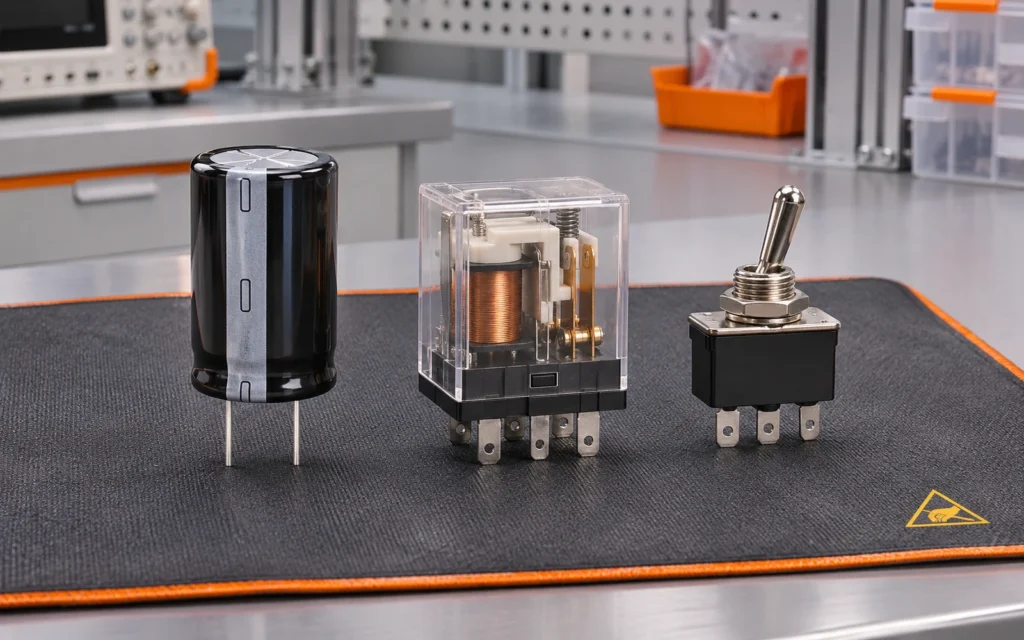


Many people wonder: Can you use a 12V charger on a 6V battery?
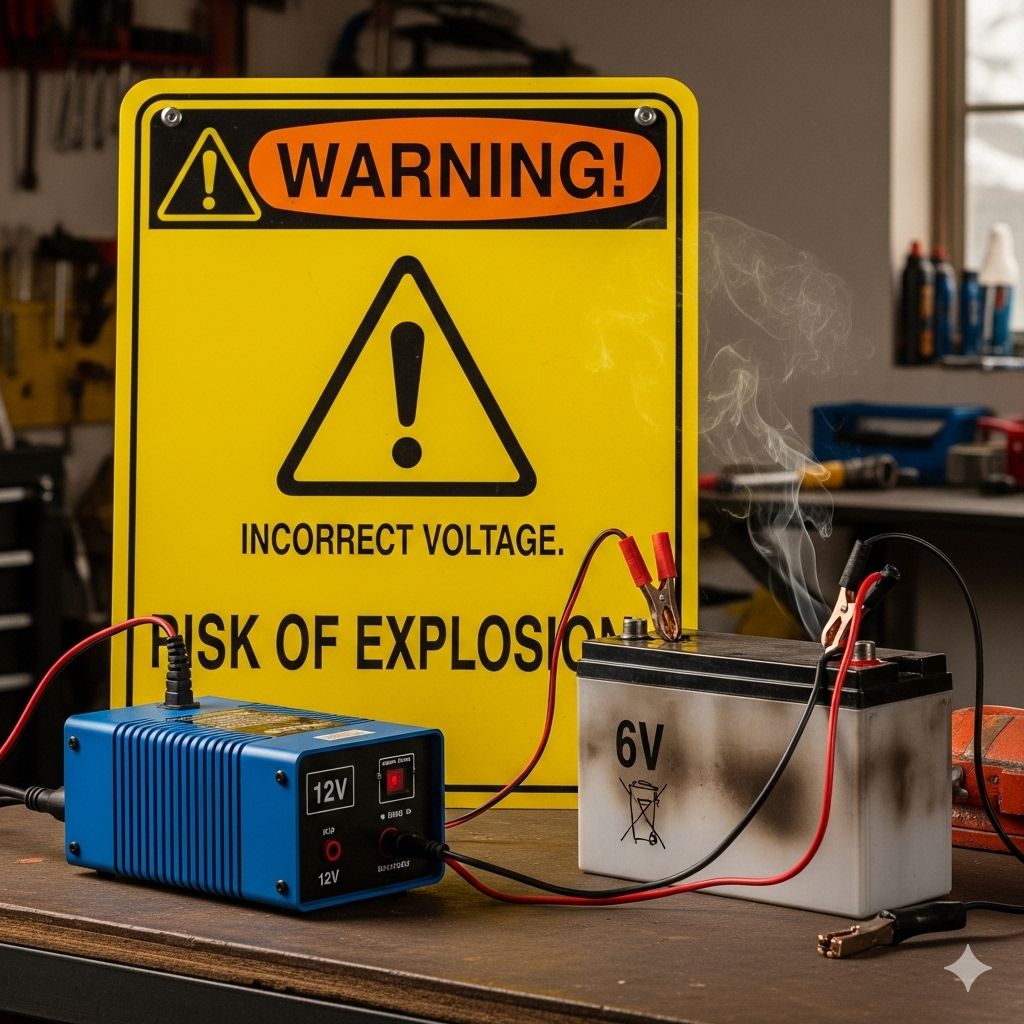
The short answer is: No, it’s not recommended. While it might seem like a quick way to charge, it creates serious risks including overheating, leakage, and even fire hazards. This article explains why mismatched charging is dangerous and what the safe alternatives are.
Understanding the Basics: 6V vs 12V
6V batteries are commonly used in motorcycles, mobility scooters, children’s electric cars, and backup systems. Their safe charging voltage is usually around 6.8V – 7.2V.
12V chargers typically output 12V – 14V, which is far above what a 6V battery can handle.
➡️ In simple terms: charging a 6V battery with 12V is like blasting a small cup with a firehose — overflow and damage are inevitable.
The Risks of Using a 12V Charger on a 6V Battery
1. Overheating and Fire Hazards
Excessive voltage forces the battery’s chemical reactions to accelerate, creating dangerous heat. For lithium batteries, this can lead to thermal runaway, fire, or even explosion.
2. Electrolyte Loss and Swelling
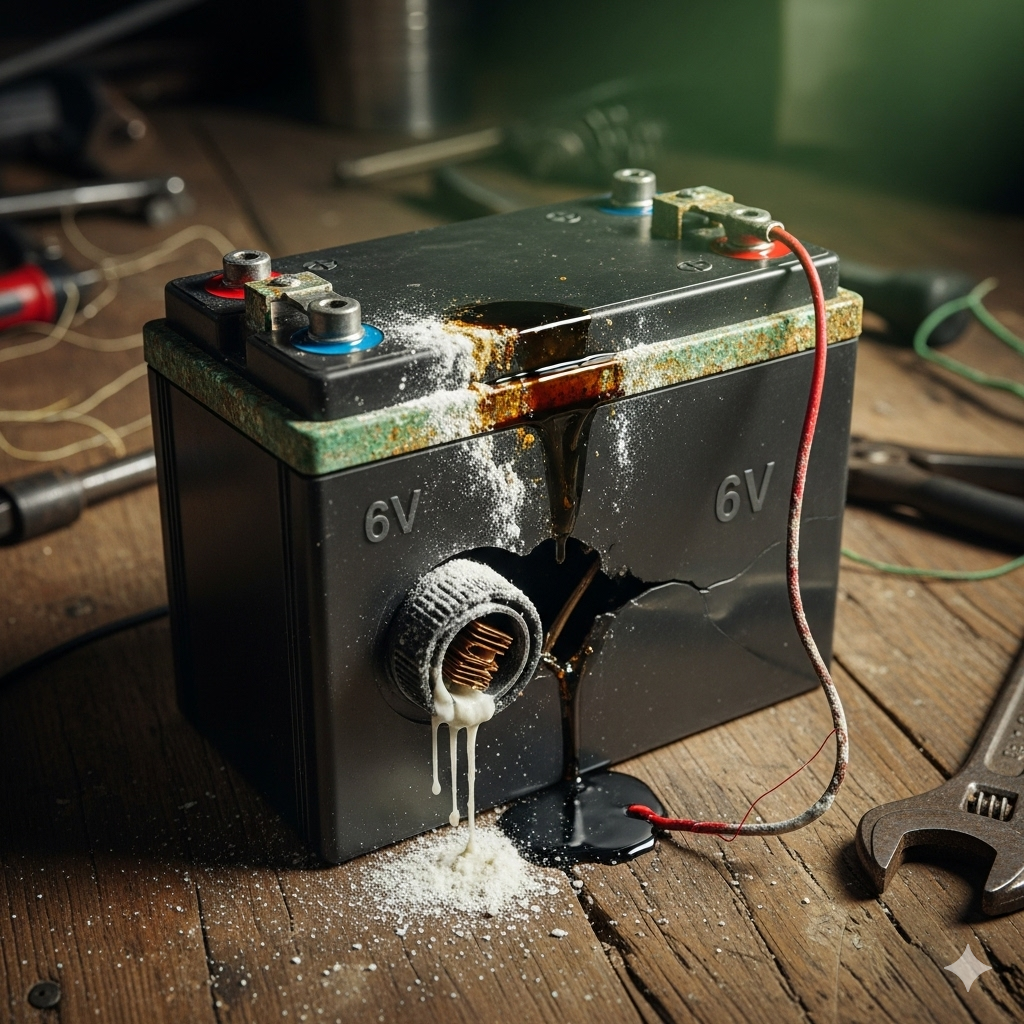
Lead-acid batteries will gas heavily, causing the electrolyte to evaporate or boil. This leads to swelling, internal plate damage, and a sharp drop in capacity.
3. Leakage and Corrosion
Overcharging can crack the battery case, cause electrolyte leaks, corrode the terminals, and potentially release harmful substances.
4. Permanent Battery Failure
Even if no immediate incident occurs, the separators and plates degrade rapidly under high voltage. The result: the battery loses capacity, won’t hold charge, and dies prematurely.
Are There Any Exceptions?
In rare cases, skilled technicians may briefly use a 12V power supply to “wake up” a deeply discharged 6V battery. But this requires:
Precise voltage and current control
Temperature monitoring
Strict time limits
⚠️ For ordinary users, this is highly unsafe and not advised.
Safe Charging Practices
1. Always Match the Charger
Use a 6V charger for a 6V battery, and a 12V charger for a 12V battery. Never mix them.
2. Choose Smart Chargers
Smart chargers with automatic cut-off, constant current/constant voltage (CC/CV) modes help prevent overcharging.
3. Follow Manufacturer Guidelines
Always check the manufacturer’s specifications for recommended voltage, current, and charging duration.
4. Monitor While Charging
Avoid leaving batteries charging unattended, especially older units or when using third-party chargers.
What If You Already Used a 12V Charger?
Stop immediately and disconnect the charger.
Inspect the battery for swelling, leaks, or overheating.
If abnormalities appear, do not reuse the battery; dispose of it safely.
Even if it looks fine, perform a capacity test to confirm it’s still usable.
FAQs
Q1: Can I use a 12V charger on a 6V battery for a short time?
A: No. Even a few minutes of overvoltage can cause irreversible damage.
Q2: Why do some people use 12V chargers to jump start 6V batteries?
A: It’s an emergency method sometimes attempted by professionals under controlled conditions. For regular users, it’s unsafe.
Q3: What if I only have a 12V charger?
A: Use a variable-voltage power supply set between 6.8V – 7.2V with current limiting. This is much safer than direct 12V charging.
Conclusion
Using a 12V charger on a 6V battery might sound convenient, but it’s a serious safety hazard. The correct approach is simple: always match the charger to the battery voltage and follow the manufacturer’s instructions. This ensures safety, extends battery life, and prevents costly failures.