


































Choosing between 4.0 Ah and 2.0 Ah batteries can be confusing. These numbers aren’t just labels—they affect runtime, weight, and how your tools perform. This guide explains the differences in simple terms, so you can make the right choice.
What Does Ah Mean?
“Ah” stands for amp-hour, which measures how much energy a battery can store.
More Ah = more energy = longer runtime.
For example, a 4.0 Ah battery can run roughly twice as long as a 2.0 Ah battery at the same voltage.
You can also calculate energy in watt-hours with:
Watt-hours = Ah × Voltage
So a 4.0 Ah 18 V battery holds about 72 Wh of energy, while a 2.0 Ah battery holds about 36 Wh.
Quick Comparison Table
| Feature | 2.0 Ah Battery | 4.0 Ah Battery |
|---|---|---|
| Runtime | Shorter, good for quick jobs | About twice as long |
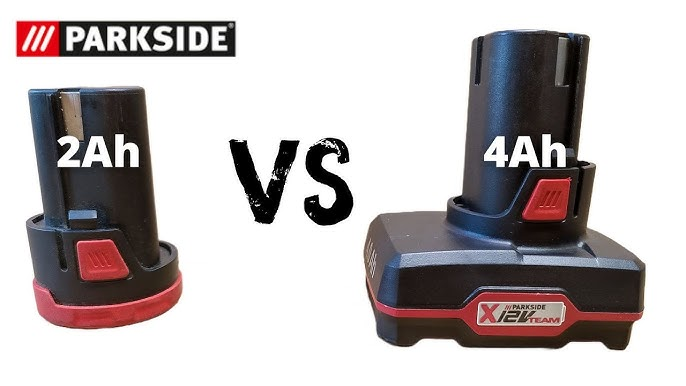
| Weight | Lighter, easier to handle | Heavier, better for stability |
| Charge Time | Faster to charge | Slightly longer charge time |
| Power Output | May drop faster under heavy load | Holds voltage better, smoother performance |
| Cycle Life | ~300–500 cycles (ManlyBattery) | ~500–700 cycles, better long-term value |
| Cost | Lower upfront price | Higher price but lower cost per use |
Why 4.0 Ah Feels Stronger
A bigger battery has more cells sharing the load. This keeps voltage from dropping too quickly under stress.
Tests show that tools with higher-Ah batteries can cut faster—sometimes up to 25% quicker—because they maintain power better under heavy load (Pro Tool Reviews).
Weight and Ergonomics
Weight is a key difference:
2.0 Ah: Great for overhead work and tight spaces—less fatigue.
4.0 Ah: Adds weight but improves balance for floor work and long sessions.
For users who switch tools often, the lighter pack may be more comfortable.
Cost and Value
While 4.0 Ah batteries cost more, they last longer per charge and usually survive more charge cycles. This means fewer swaps, less downtime, and better value over time—especially for daily or professional use.
How to Choose
Choose 2.0 Ah for light-duty tasks, quick repairs, or when you need a lightweight tool.
Choose 4.0 Ah for demanding tools like saws and grinders, or when you want fewer interruptions.
Best approach: Keep both sizes on hand. Use 2.0 Ah for short jobs and 4.0 Ah when you need runtime.
FAQs
Does 4.0 Ah give more power?
Not more peak power, but it keeps voltage steady longer, so tools feel stronger under load.
Can I mix 2.0 Ah and 4.0 Ah batteries?
Yes—if they are the same voltage platform, you can swap freely.
Does 4.0 Ah take longer to charge?
Yes, but usually only 10–15 minutes longer on a fast charger, and you get nearly twice the runtime.
Final Thoughts
4.0 Ah and 2.0 Ah batteries both have a place in your toolkit. If you want lightweight handling and quick charging, 2.0 Ah is the way to go. If you value longer runtime and fewer stops, 4.0 Ah is the better investment. Many pros keep a mix of both to cover all situations.