











































When buying a 12V battery or using a smart charger, you’ll often see STD, AGM, and Gel. These are three types of lead-acid batteries, and the one you choose affects how well your car starts, how long your RV lights stay on, and how reliable your backup power is.
This quick guide covers how each battery works, their pros and cons, and which one suits your needs.
STD (Standard Flooded Lead-Acid)
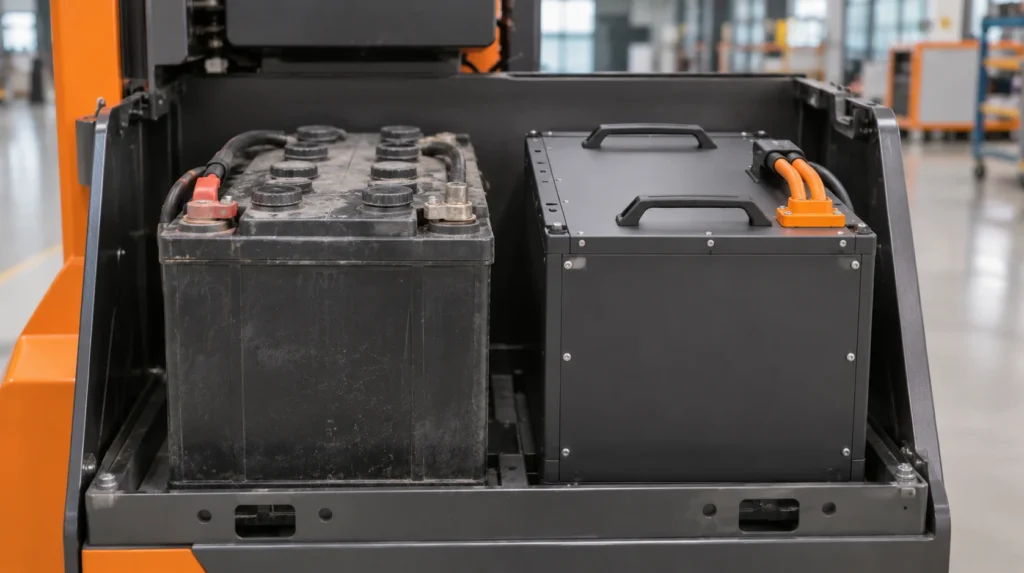
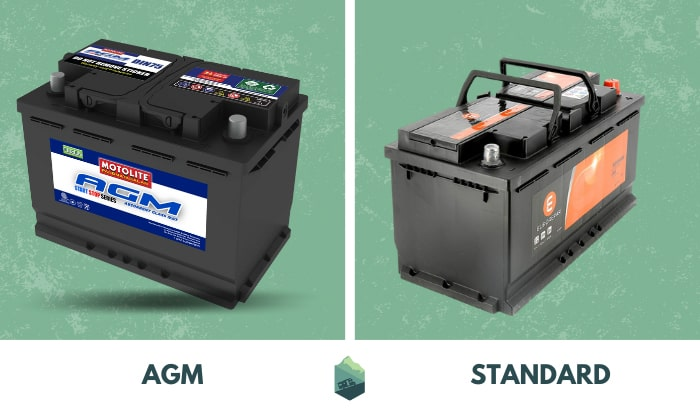
STD batteries are the classic design with liquid electrolyte inside. They’re cheap and easy to find, but they need regular water top-ups and must stay upright to avoid spills. They work well in older cars, motorcycles, and machines where maintenance is easy and cost matters most.

AGM (Absorbent Glass Mat)
AGM batteries hold electrolyte in fiberglass mats, making them sealed and spill-proof. They recharge faster, resist vibration, and perform better in cold weather. They are maintenance-free and a popular choice for modern cars with start-stop systems, RVs, boats, and backup power systems.
Gel Batteries
Gel batteries use a thickened, gel-like electrolyte that won’t leak and can work in any position. They handle deep discharges well and last longer in demanding cycles. They are ideal for solar and wind storage, wheelchairs, and remote equipment, but they need a lower charging voltage to avoid damage.
Performance at a Glance
STD: Low cost, needs maintenance, average lifespan.
AGM: Maintenance-free, fast recharge, great for vibration and cold starts.
Gel: Best for deep-cycle use, longest life, but slower charging and highest price.
Charger Settings
Use the right charger mode to protect your battery:
STD mode allows slight gassing to mix electrolyte.
AGM mode gives a slightly higher voltage for full charge.
Gel mode uses the lowest voltage to prevent damage.
Wrong settings can shorten battery life, so always check your battery label.
Which One Should You Choose?
Pick STD if you want the cheapest option and don’t mind maintenance. Choose AGM for modern vehicles, RVs, or where vibration resistance and convenience matter. Go with Gel for solar systems or equipment that needs long, steady power and minimal service.
Care Tips
Keep batteries charged, avoid high heat, and use a smart charger. Even maintenance-free types last longer if treated well.
FAQs
Q1: Can I replace an STD battery with AGM?
Yes, as long as your vehicle’s charging system is compatible. AGM batteries often fit in place of STD batteries and usually perform better.
Q2: What happens if I charge a Gel battery in AGM mode?
You risk overcharging, creating gas pockets that reduce capacity. Always use the correct Gel mode on your charger.
Q3: Which battery lasts the longest?
In deep-cycle use, Gel usually lasts the longest. For cranking power and daily use, AGM offers a great balance.
Q4: Do AGM batteries need a special charger?
Not always, but a smart charger with AGM mode will ensure proper voltage and extend battery life.
Q5: Are Gel batteries worth the price?
Yes, if you need maximum cycle life, zero maintenance, and reliability in remote uses. For everyday vehicles, AGM is usually better value.
Final Thoughts
STD is cheap and simple, AGM is convenient and powerful, Gel is built for long-term cycling. Match the right battery and charger mode to your needs and you’ll get more life, better performance, and fewer headaches.