
Part 1. Introduction
If you’ve ever replaced batteries in your remote, camera, or toy and noticed that some say 1.5 V while others read 1.2 V, you might have wondered—does that small difference really matter? In fact, it can.
Though both power everyday devices, 1.5 V and 1.2 V batteries have distinct chemistries, voltage curves, and performance characteristics that affect how your gadgets run, how long they last, and even whether they work properly.
This guide breaks down the key differences so you can choose the right battery for your needs—whether it’s a rechargeable NiMH for your camera flash or a disposable alkaline for your TV remote.
Part 2. What Are 1.5V and 1.2V Batteries?
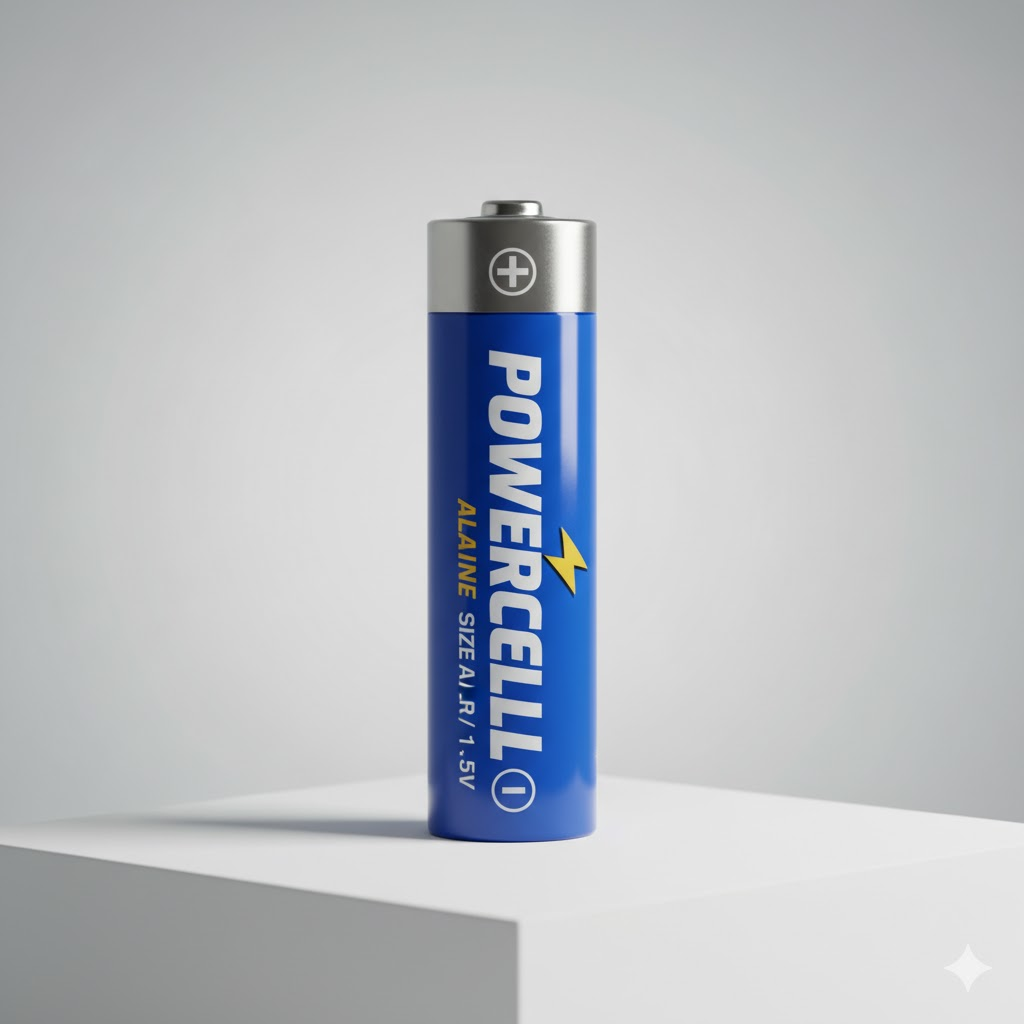
A 1.5 V battery is the standard voltage output for most primary (non-rechargeable) cells, such as alkaline or zinc-carbon batteries. Common types include AA, AAA, C, and D sizes. They’re designed for single use, offering consistent voltage until the charge runs out.
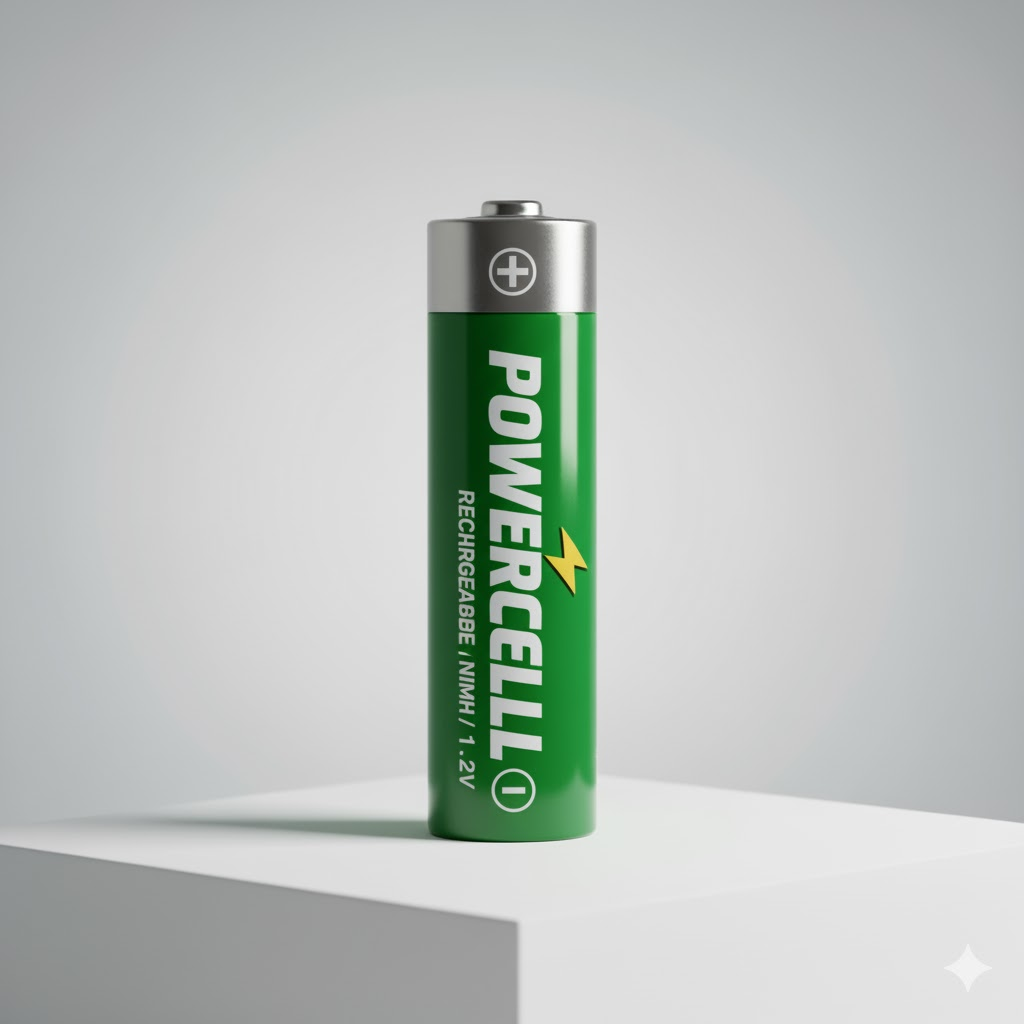
A 1.2 V battery, on the other hand, is typically a rechargeable battery—most often Nickel-Metal Hydride (NiMH) or Nickel-Cadmium (NiCd). While the nominal voltage is slightly lower, these batteries can be recharged hundreds of times, making them more economical and eco-friendly in the long term.
In short:
1.5 V = disposable, higher initial voltage
1.2 V = rechargeable, lower but more stable voltage
Part 3. Technical Differences Explained
Voltage
A fresh 1.5 V alkaline battery starts around 1.6 V, gradually dropping as it’s used.
A 1.2 V NiMH battery maintains a steady output close to 1.2 V throughout most of its discharge cycle.
This means devices sensitive to voltage may dim or slow down faster with rechargeables—though many modern electronics are designed to handle both.
Chemical Composition
1.5 V batteries: Alkaline (zinc-manganese dioxide), lithium (lithium-iron disulfide), or zinc-carbon.
1.2 V batteries: Nickel-metal hydride (NiMH) or nickel-cadmium (NiCd).
Each chemistry affects performance, energy density, and rechargeability.
Capacity and Runtime
1.5 V alkalines generally store more energy per charge—up to 2500 mAh for AA cells.
1.2 V NiMH cells range between 1800–2600 mAh, but deliver more consistent output under load, especially in high-drain devices like cameras or flashlights.
Rechargeability
This is the biggest difference.
1.5 V alkalines → non-rechargeable.
1.2 V NiMH/NiCd → can be recharged hundreds of times, saving money and reducing waste.
Self-Discharge
Rechargeable NiMH batteries tend to lose about 10–20% per month, though low self-discharge (LSD) versions like Eneloop significantly reduce this.
Environmental Impact
NiMH cells are recyclable and more eco-friendly than disposable alkaline or lithium batteries, which contribute to waste if not properly disposed of.
Part 4. Pros and Cons of Each Type
1.5V Batteries (Alkaline/Lithium)
Pros:
Higher initial voltage (ideal for simple electronics)
Long shelf life (up to 10 years)
Widely available and inexpensive per unit
Cons:
Non-rechargeable → generates waste
Voltage drops quickly under heavy load
Not cost-effective for frequent use
1.2V Batteries (NiMH/NiCd)
Pros:
Rechargeable up to 1000 cycles
Consistent discharge voltage
Better for high-drain or digital devices
Lower long-term cost and eco-friendly
Cons:
Lower nominal voltage (may affect some devices)
Slight self-discharge over time
Higher upfront price
Part 5. Application Recommendations
So, which one should you choose? It depends on your device and usage habits.
TV remotes, wall clocks, and computer mice – Best with 1.5 V alkaline batteries for low-drain devices that need long shelf life.
Flashlights and digital camera flashes – Perform better with 1.2 V NiMH rechargeables, which deliver stable current under heavy load.
Wireless keyboards, smart sensors, or IoT devices – Use 1.5 V lithium batteries for steady output and reliable performance even in low temperatures.
Toys, RC models, and game controllers – Go for 1.2 V NiMH; they’re rechargeable and cost-effective for frequent use.
Emergency kits or outdoor gear – Choose 1.5 V lithium; they store energy well for years and work across wide temperature ranges.
Part 6. Comparison Table
| Feature | 1.5V Battery | 1.2V Battery |
|---|---|---|
| Type | Primary (non-rechargeable) | Rechargeable (NiMH/NiCd) |
| Nominal Voltage | 1.5 V | 1.2 V |
| Initial Voltage | 1.6 V | 1.3 V |
| Capacity (AA size) | 2000–2500 mAh | 1800–2600 mAh |
| Discharge Curve | Gradual drop | Stable until near depletion |
| Recharge Cycles | Not rechargeable | Up to 1000 times |
| Shelf Life | 5–10 years | 1–3 years (charged) |
| Best For | Low-drain devices | High-drain devices |
| Environmental Impact | Single-use waste | Reusable and recyclable |
Part 7. FAQs & Final Thoughts
Q1: Can I replace 1.5 V batteries with 1.2 V ones?
In most modern devices—yes. Electronics like cameras and toys are designed with tolerance for voltage differences. However, some older or sensitive devices may show lower performance.
Q1: Can I replace 1.5 V batteries with 1.2 V ones?
In most modern devices—yes. Electronics like cameras and toys are designed with tolerance for voltage differences. However, some older or sensitive devices may show lower performance.
Q3: Are there 1.5 V rechargeable batteries?
Yes—newer lithium-ion AA batteries use internal regulation to maintain 1.5 V output, though they’re more expensive and require special chargers.
Final Thoughts:
Choose 1.5 V alkalines if you value convenience and long shelf life for low-drain devices.
Choose 1.2 V rechargeables if you use your devices often and want a sustainable, cost-effective solution.
Both have their place—it’s all about matching your battery to your usage.