




















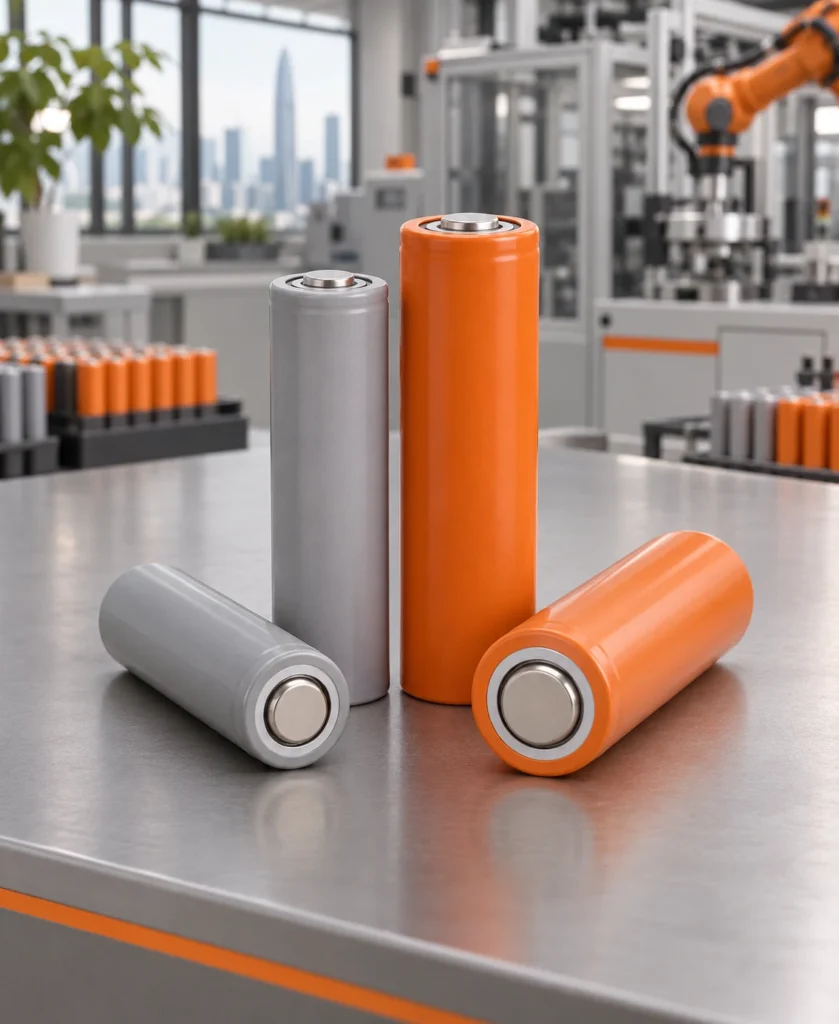
Li-ion chemistry
Li-ion (NMC) Batteries for Custom Packs
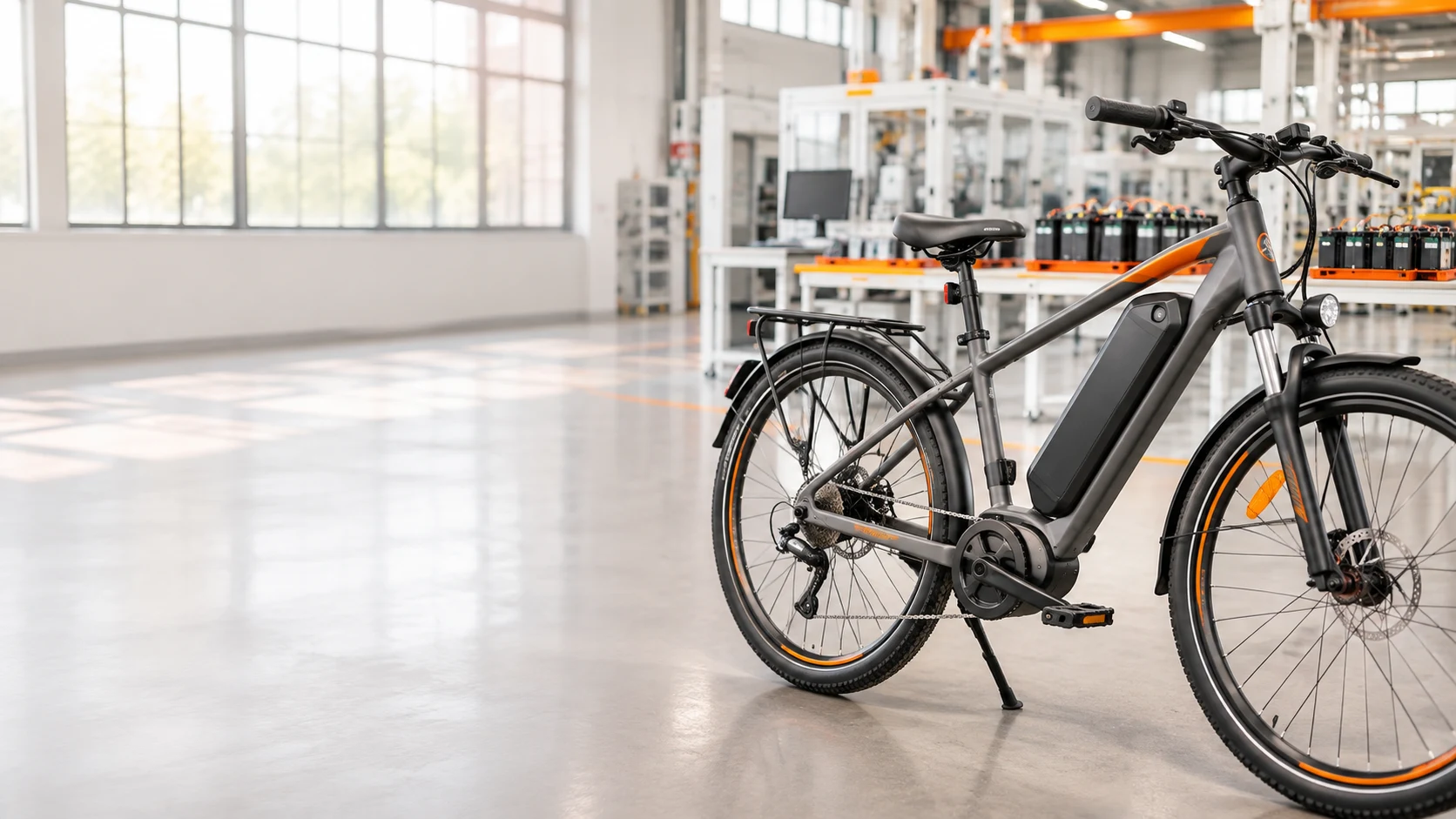
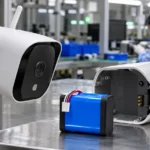
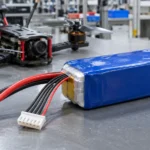
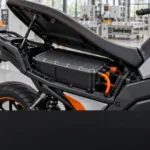
Lithium-ion with nickel-manganese-cobalt (NMC) or NCA cathodes packs the most energy into the least space. It powers most e-bikes, power tools and portable devices.
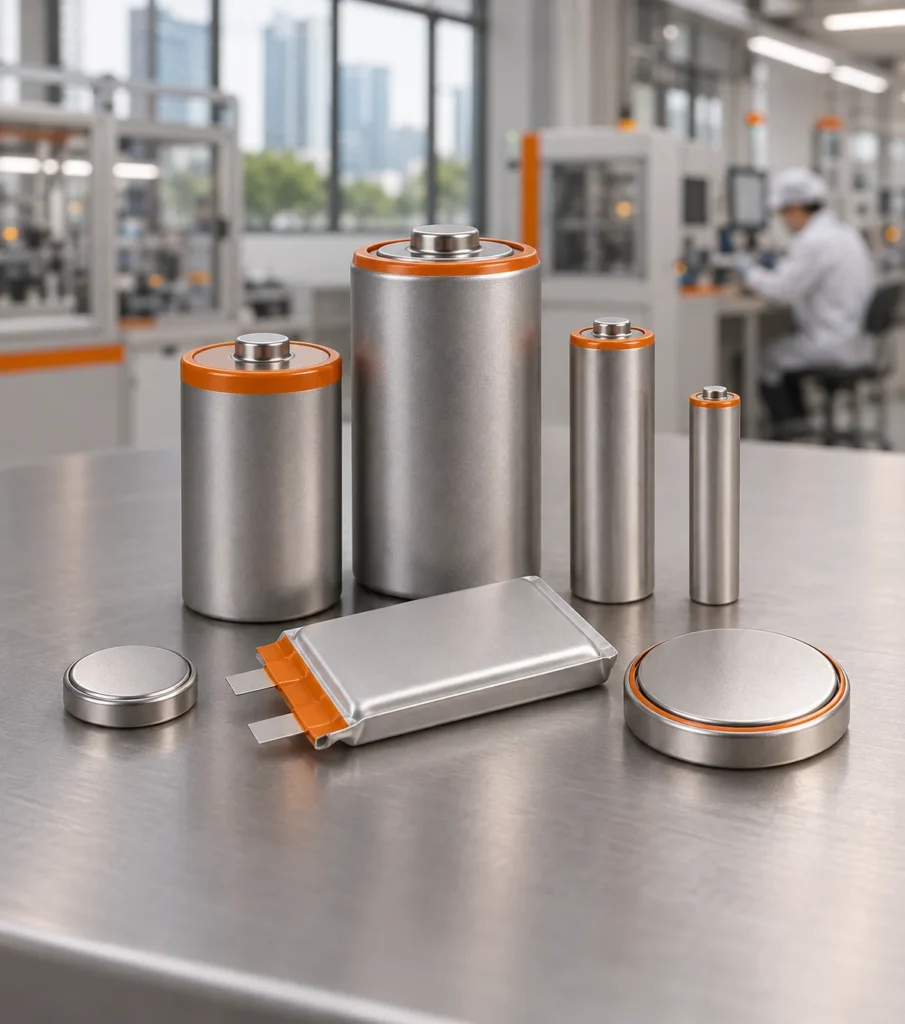
3.6–3.7 V18650 / 21700High energy density
Engineer replyWithin 24 hours
3.6–3.7 Vnominal per cell
4.2 Vtypical full charge
0–45 °Ctypical charge range
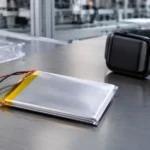
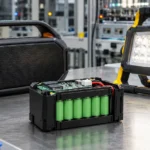
18650 · 21700 · pouchcommon formats
Key specs
What to expect from Li-ion cells
Typical values. We confirm every figure against the cell datasheet you approve.
| Parameter | Typical value | Design note |
|---|---|---|
| Nominal voltage | 3.6–3.7 V | Used to size the series count |
| Charge voltage | 4.2 V (some cells 4.35 V) | Set exactly by charger and BMS |
| Discharge cut-off | 2.5–3.0 V | Higher cut-off extends life |
| Cycle life | 500–1,500 cycles | Depends on depth of discharge and current |
| Discharge rate | 1C–3C energy cells, 10C+ power cells | Choose the cell for your peak current |
| Self-discharge | About 2–3% per month | Store at 40–60% charge |
Where Li-ion fits best
- Portable and handheld devices
- E-bikes, scooters and light EVs
- Power tools and garden tools
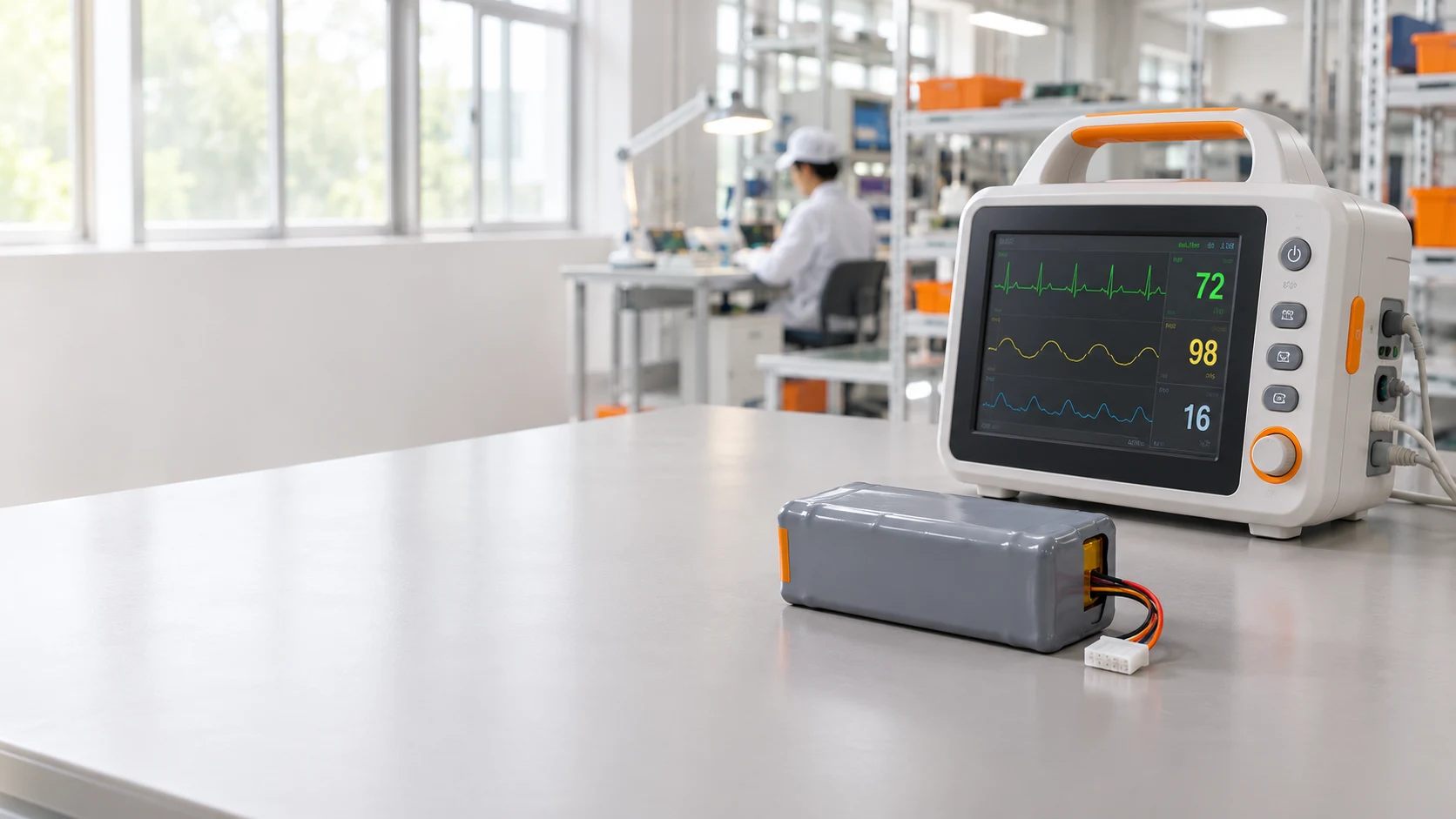
- Medical devices where weight matters
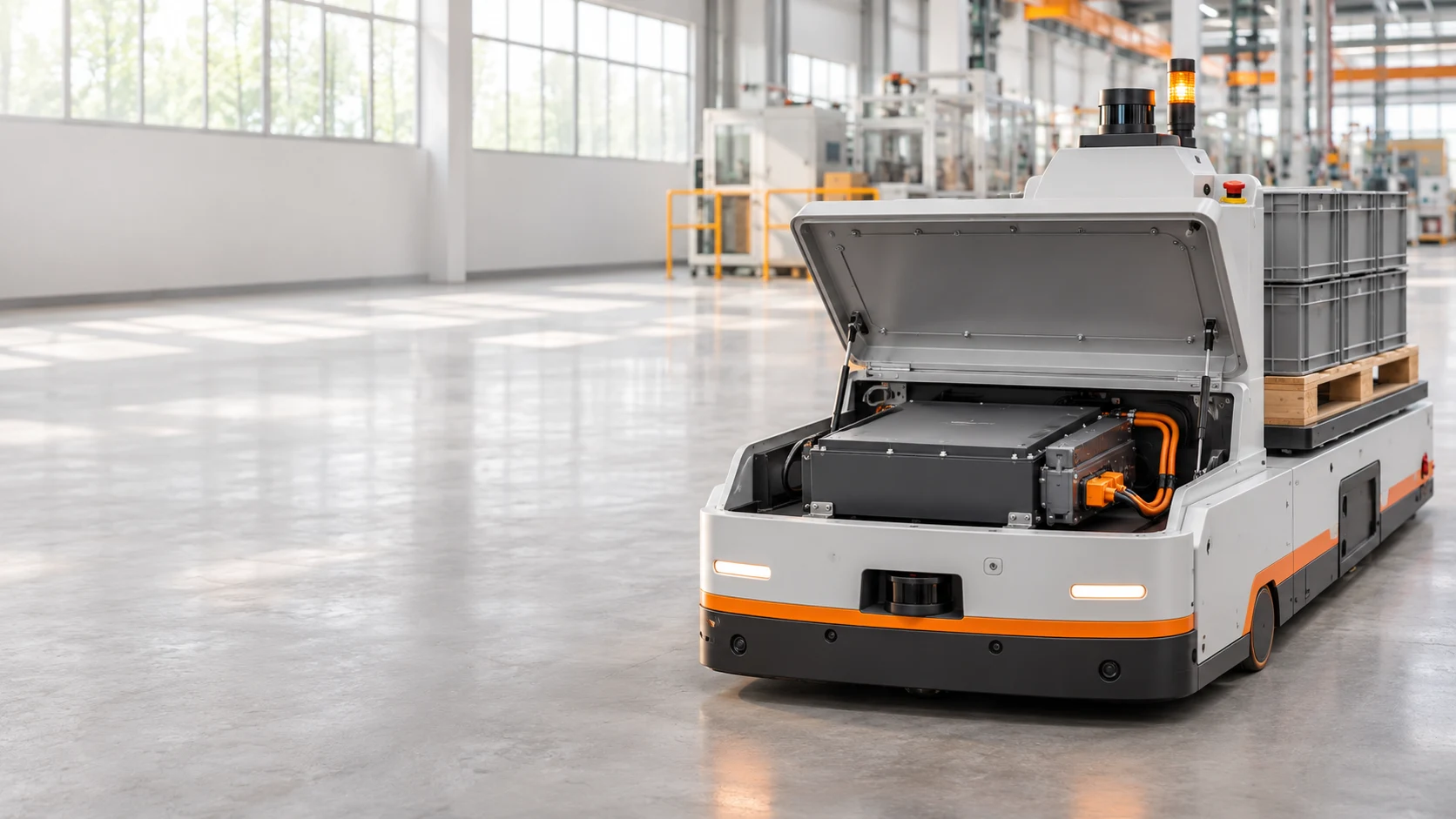
- Drones and robots with tight space
Trade-offs to plan for
- Needs a BMS for over-charge, over-discharge and temperature
- Shorter cycle life than LiFePO4
- No charging below 0 °C without heating
- Transport as UN3480 / UN3481 dangerous goods
FAQ
Frequently asked questions
Typically 500–1,500 full cycles, often more with shallow cycling. Keeping charge voltage and temperature in range extends life.
21700 cells hold more energy per cell and need fewer welds for the same capacity. 18650 cells give more layout flexibility in narrow spaces.
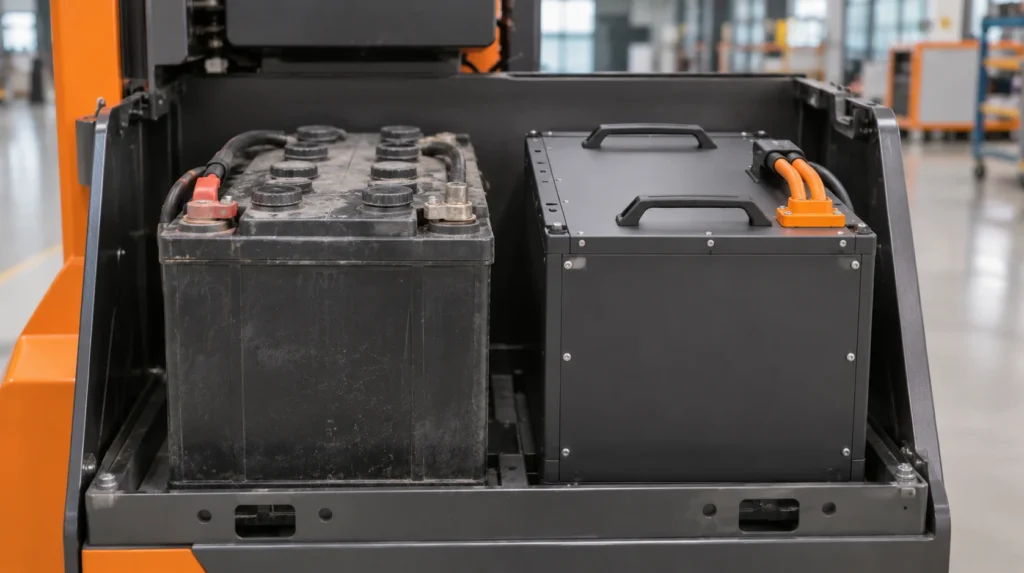
Yes. Send the old battery or its label, dimensions and connector, and we can build a replacement or an improved version.

Need a Li-ion pack?
Share voltage, capacity, size and peak current. We will propose cells, layout and BMS within 24 hours.