


Battery Pack Structure and Enclosure Design
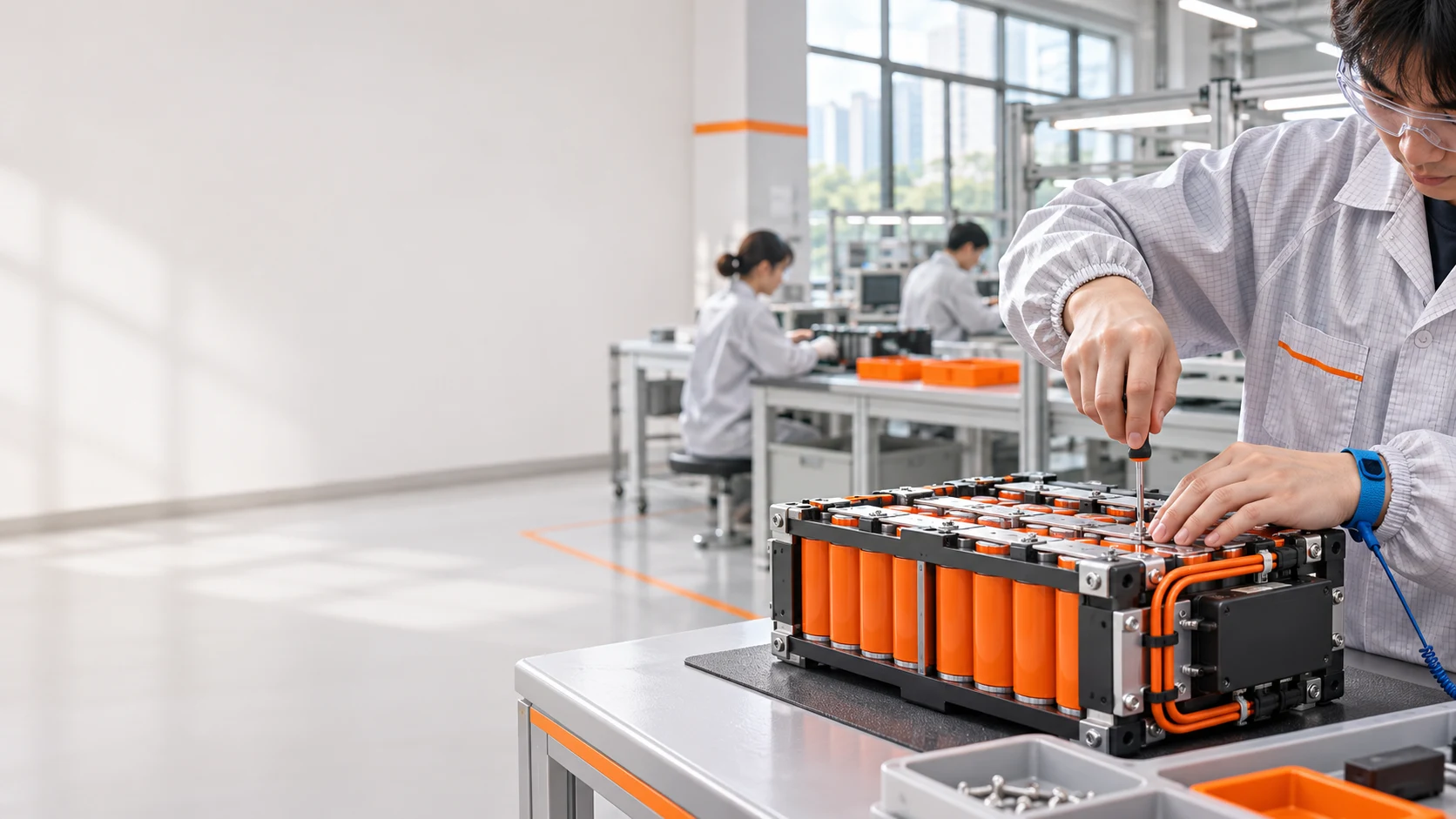
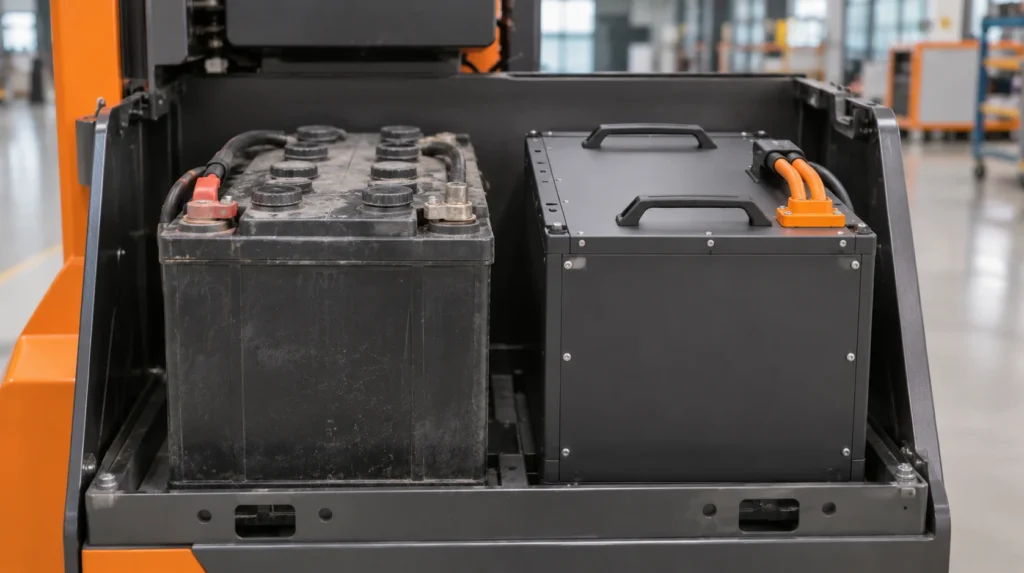
The enclosure holds the cells in place, protects them and the electronics from impact and moisture, and makes the pack fit your device. We choose it from your space, handling and environment.
Five jobs, one housing
Every layer of the structure has a job. Scroll down and the stack opens up.

More protection, more tooling
We make both plastic and sheet-metal enclosures. Each type sits somewhere between low cost and full protection. Tap a type on the map to see where it fits.
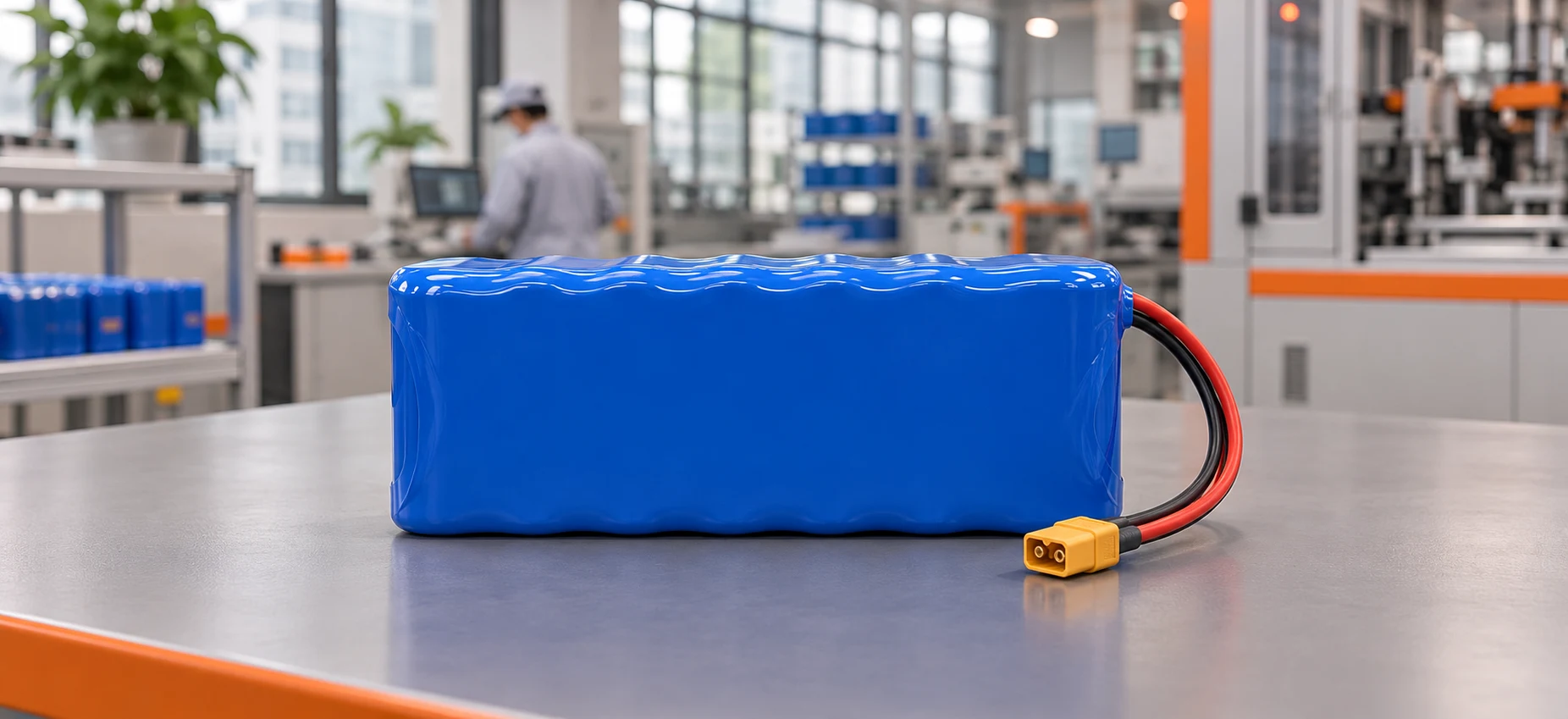
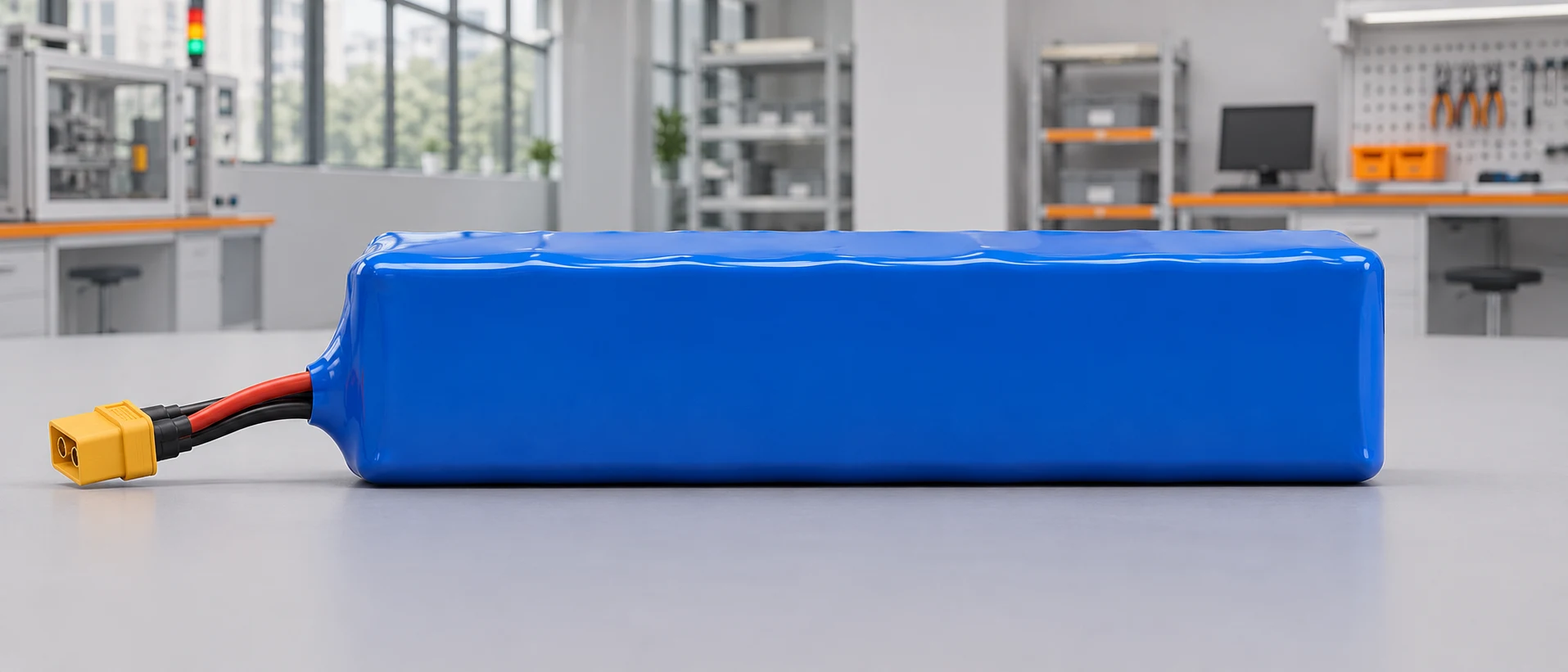
Shrink wrap or vacuum-formed plastic
- Best for
- Compact packs inside a device that already protects them
- Notes
- Low cost and low weight; the least impact protection.
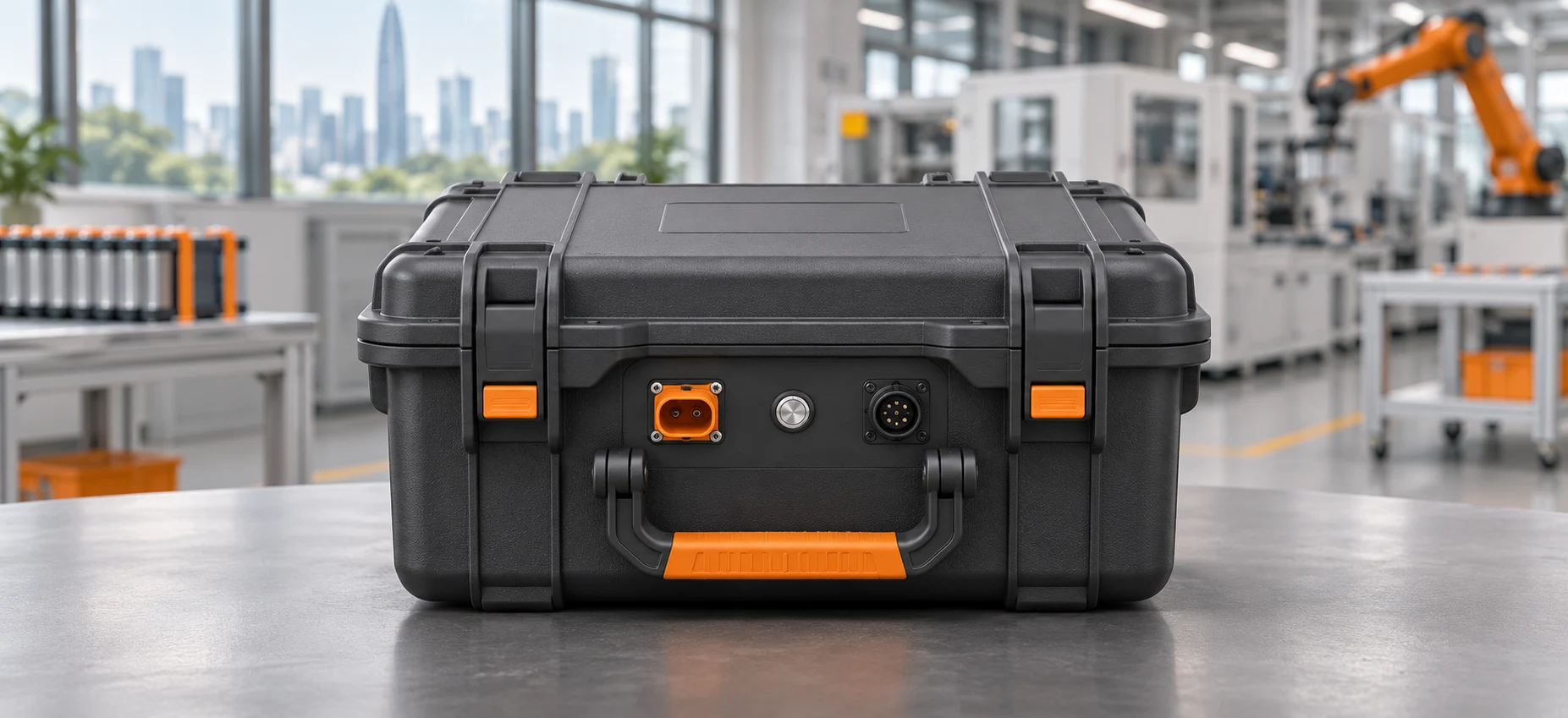
Standard case
- Best for
- Small quantities and fast projects
- Notes
- Uses an existing housing, no mould.
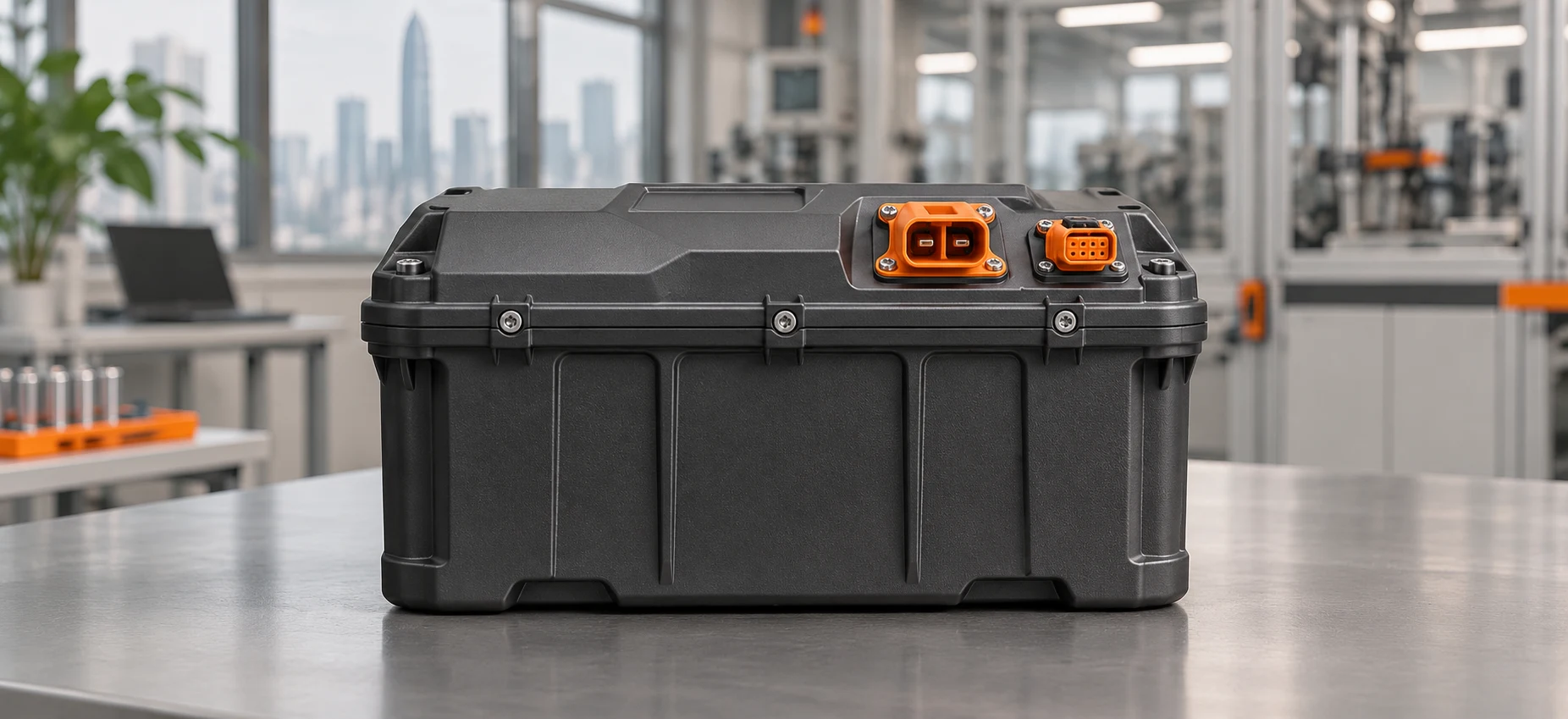
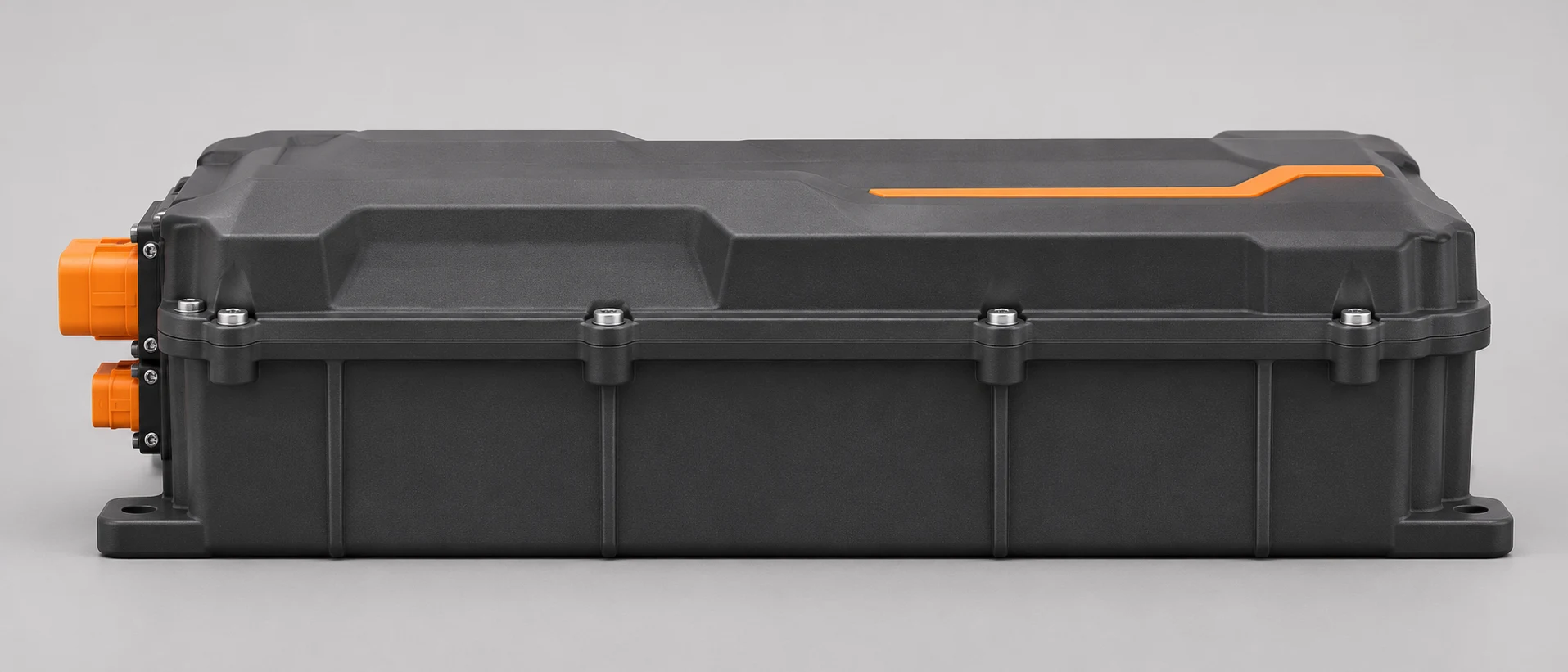
Injection-molded plastic case
- Best for
- Packs that users handle or that need a consistent look
- Notes
- Good protection and a clean look; usually needs a mould, so it suits larger volumes.
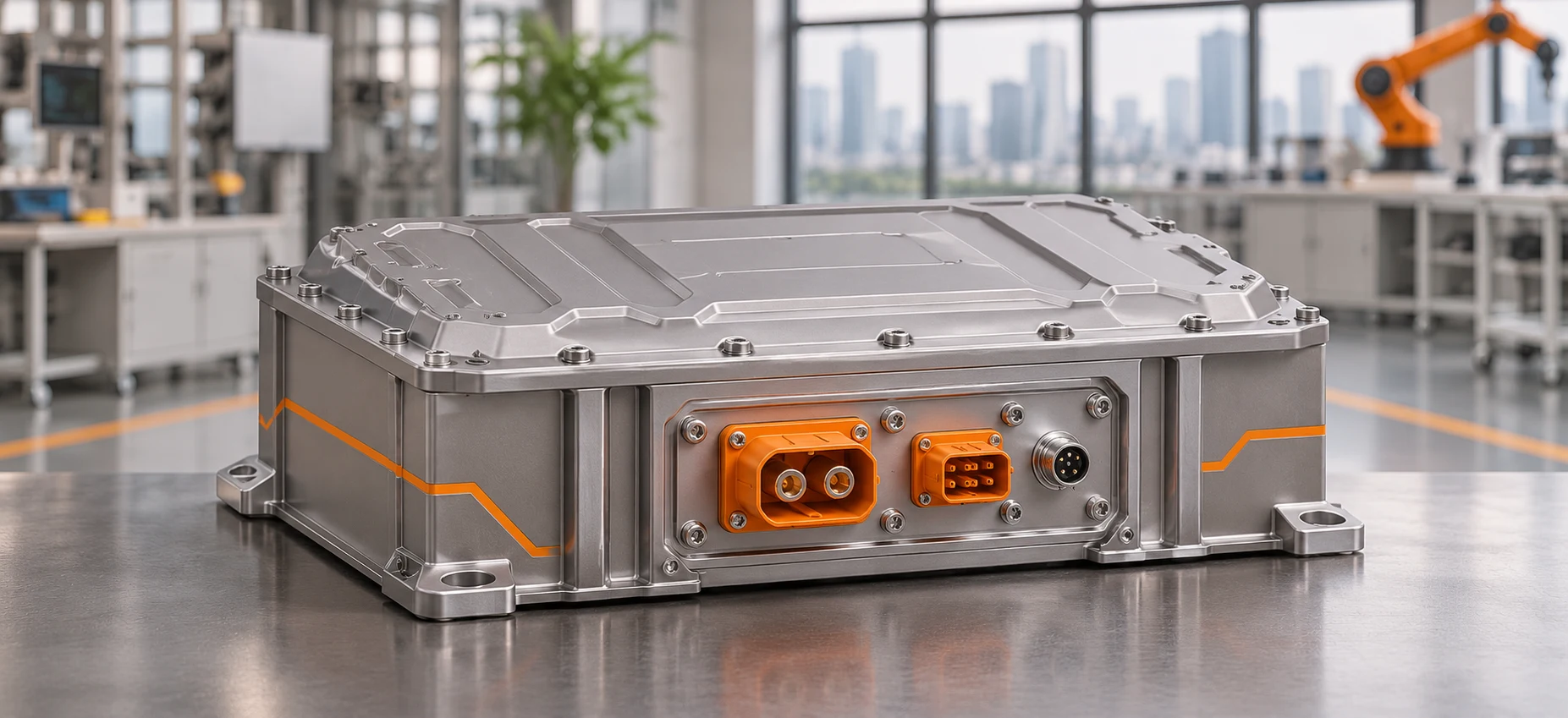
Sheet-metal or custom housing
- Best for
- Rugged, high-power or high-heat uses
- Notes
- Higher cost; designed per project.
Drag to compare
The cells inside can be the same. What changes is the protection, the look and the tooling.
Seven details we check on every housing
The list moves on by itself. Pick any point to stop and read it.
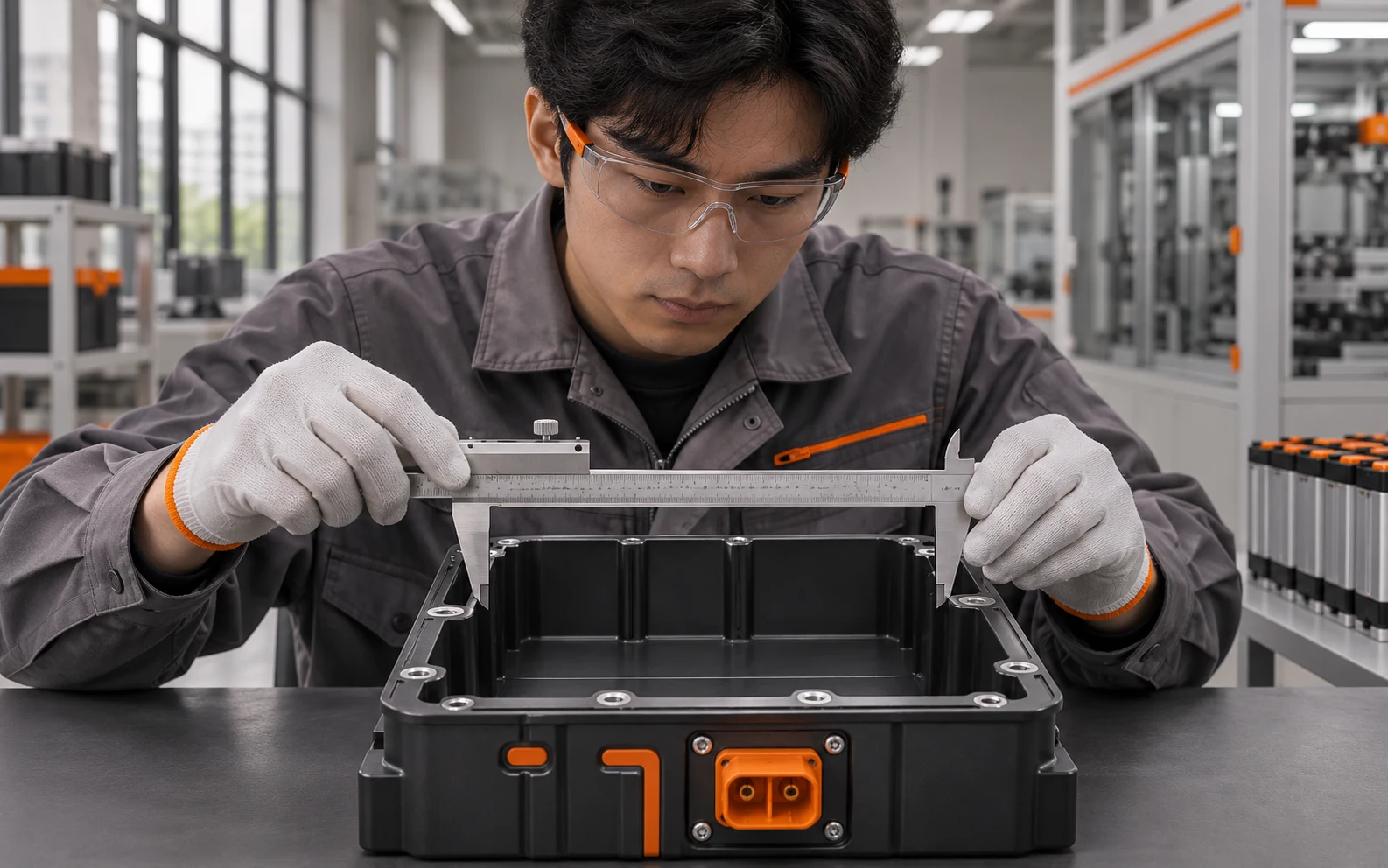
Fit
Battery compartment size, tolerances and mounting points.
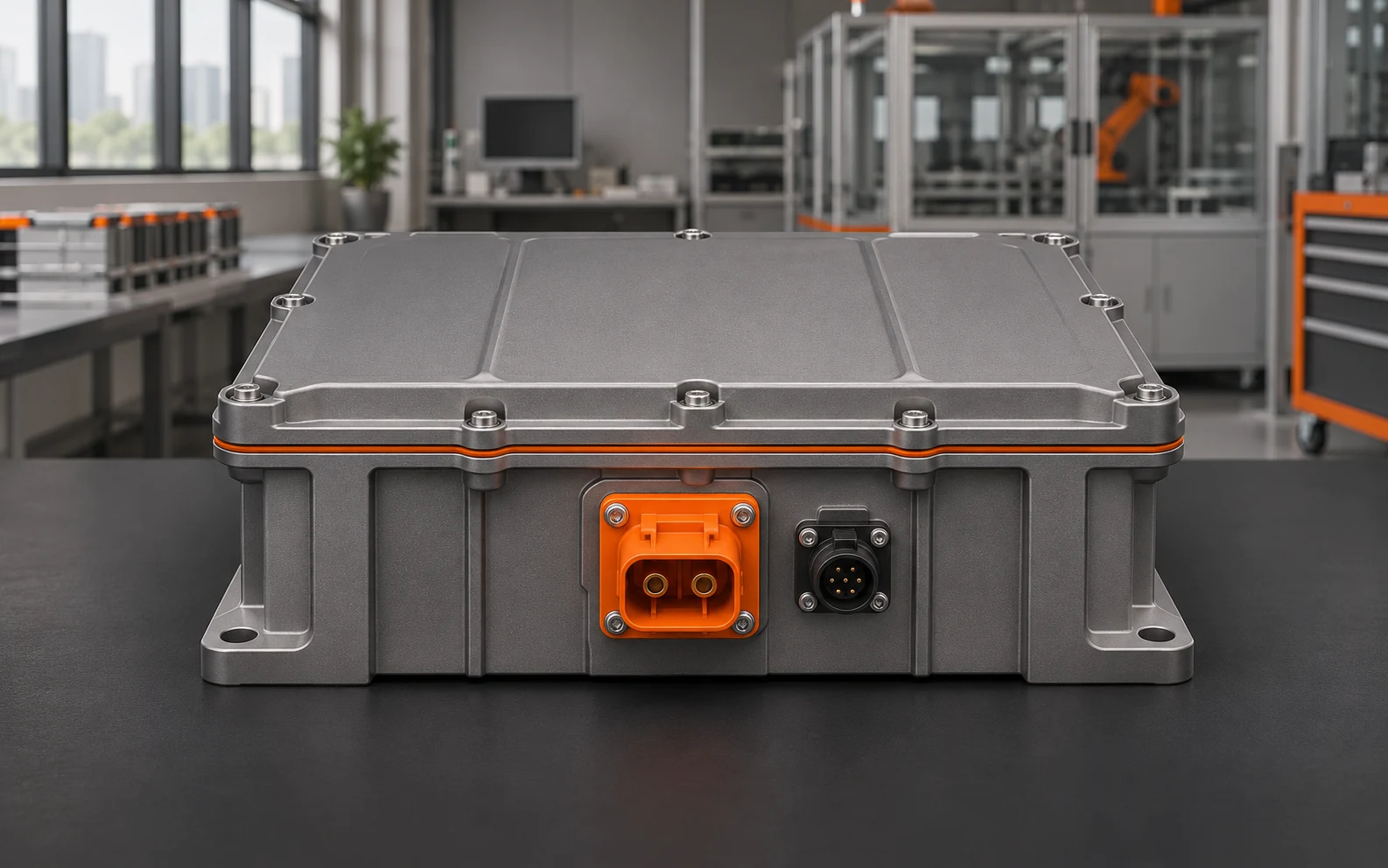
Protection level
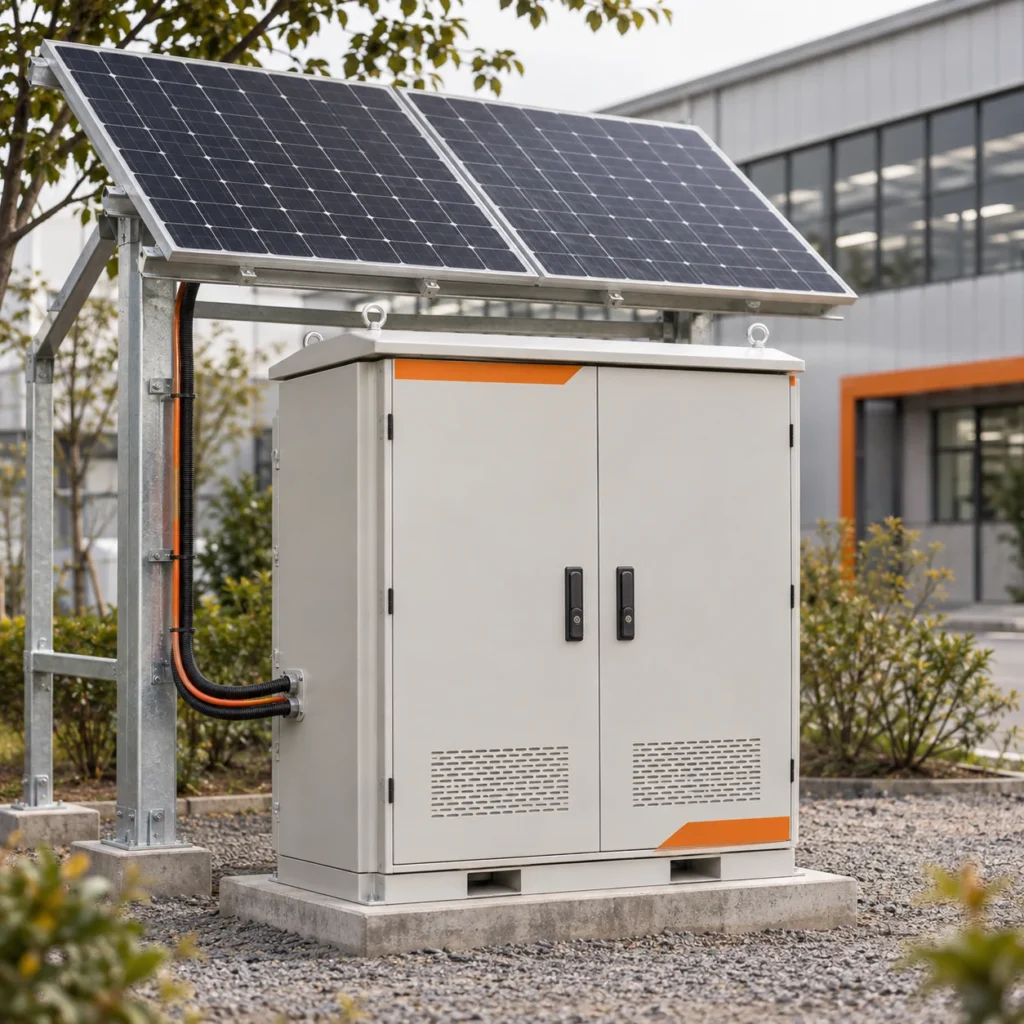
Dust and water exposure (IP rating). IP65 is our usual level, and other levels can be set to your requirement.

Heat
Cells warm up under load. Allow space and, where needed, a thermal path.
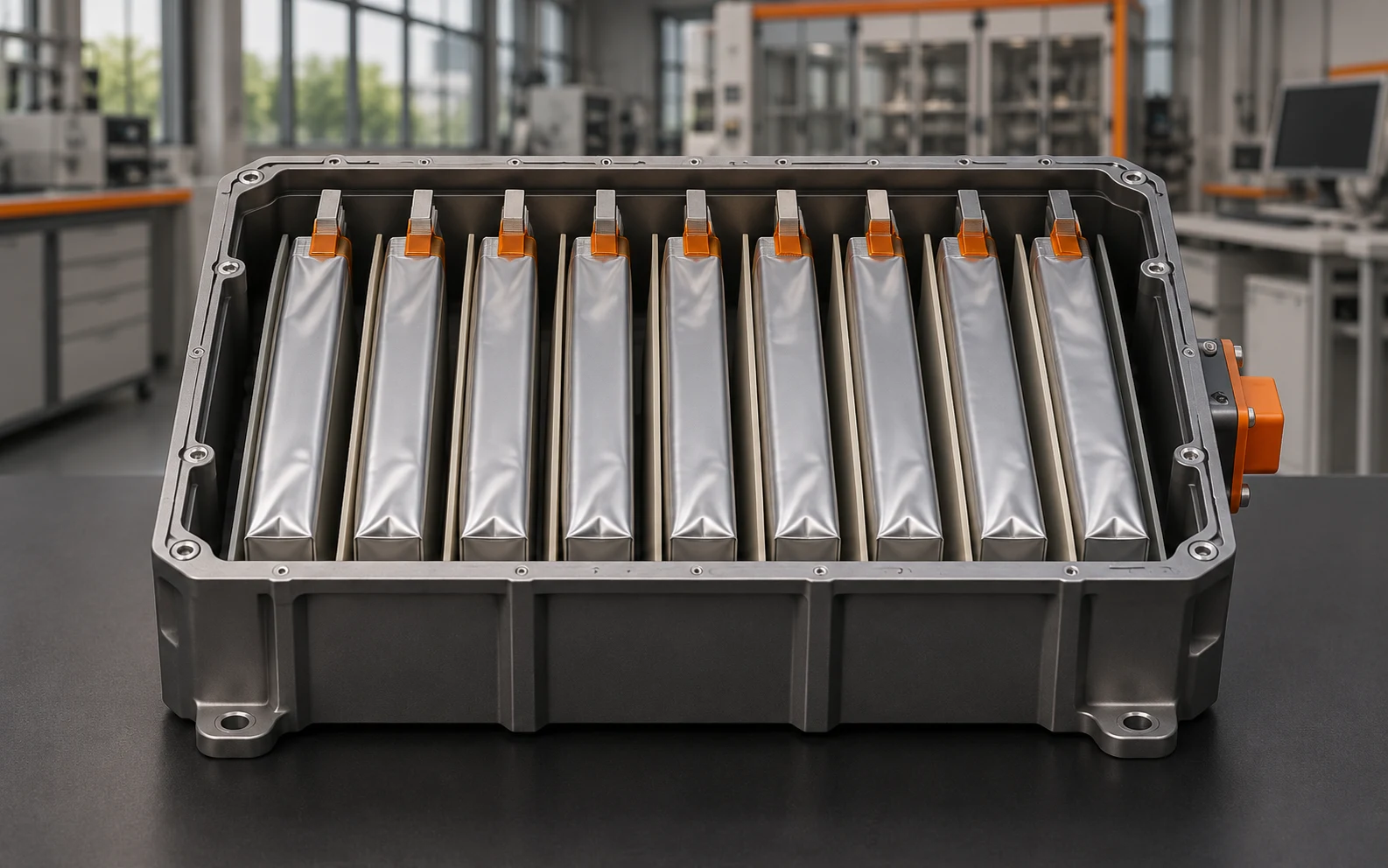
Expansion
Cells swell slightly over life, so leave room.
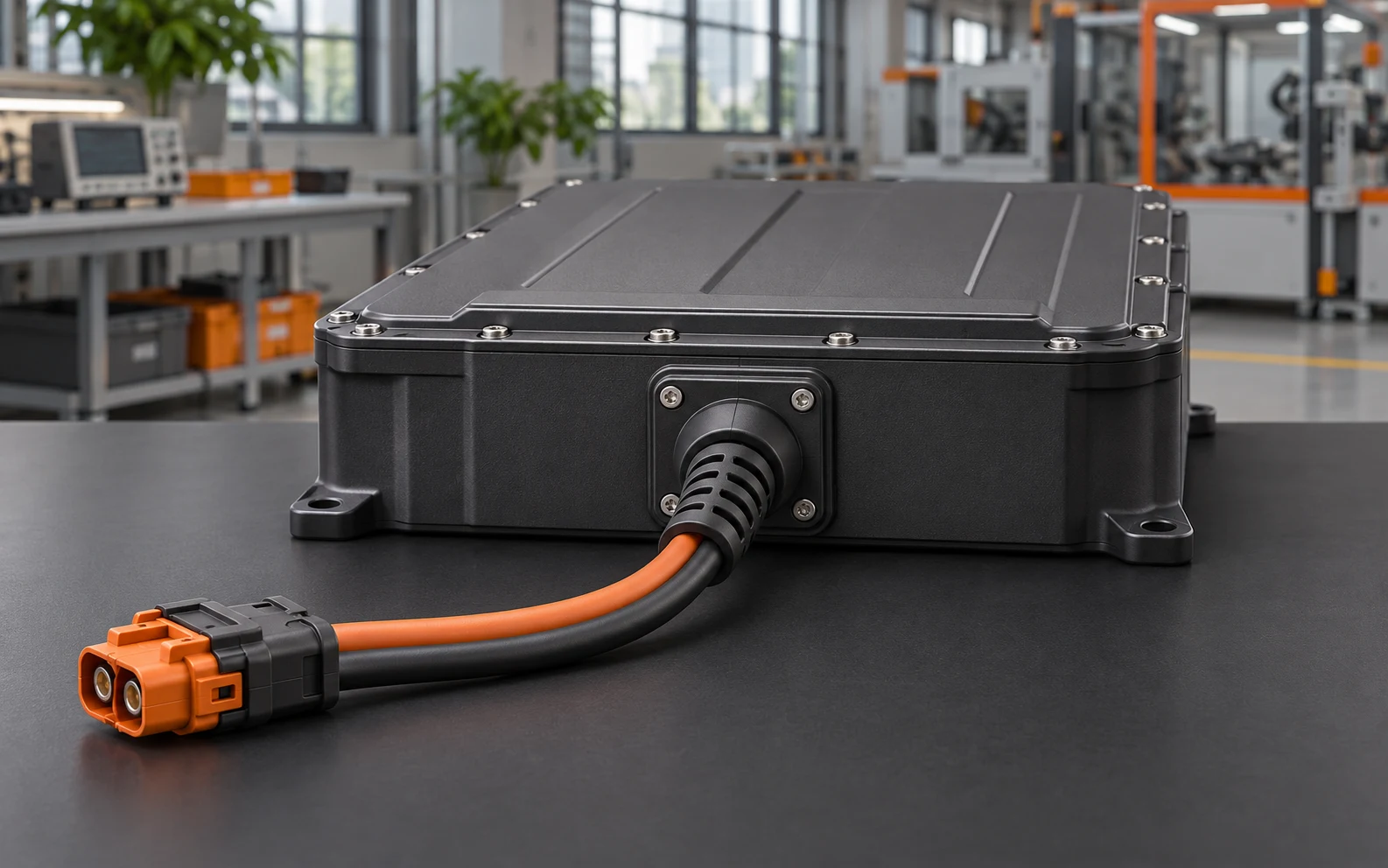
Connector and cable
Position, strain relief and cable length.
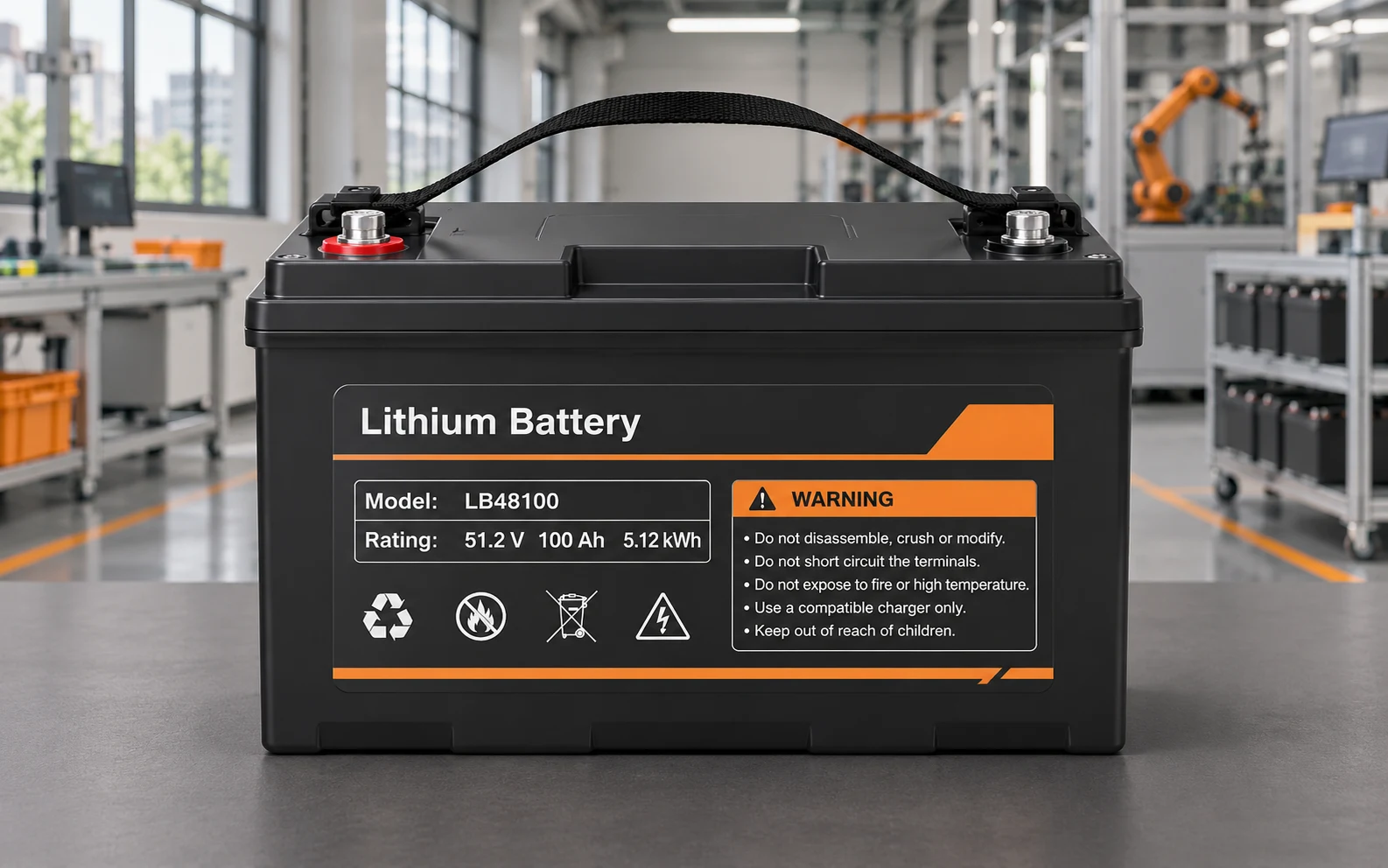
Label
Model, rating and warnings printed on the pack.
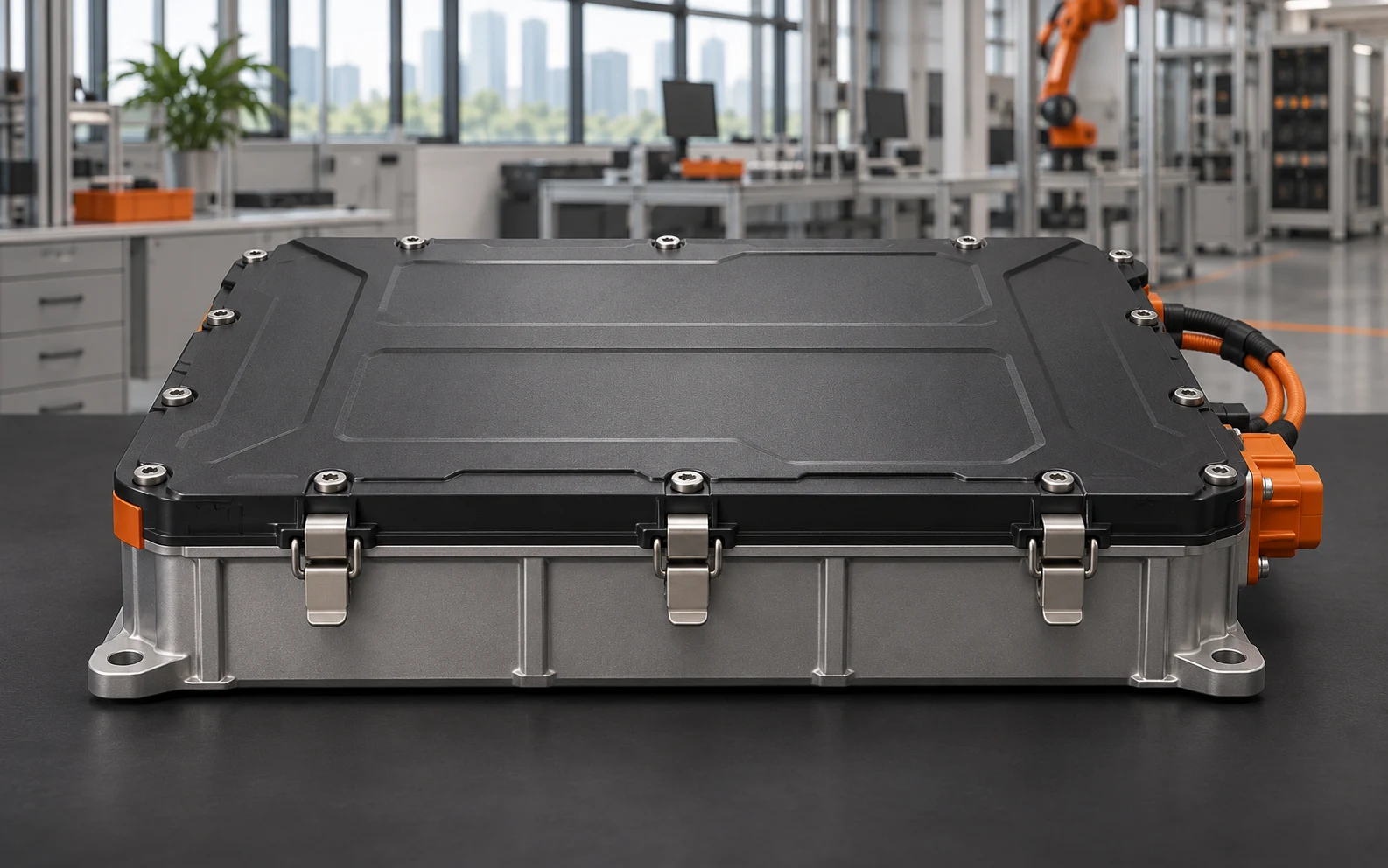
Assembly
How the pack is opened or repaired, if at all.
Send a drawing, or a photo
The more we know about the space and the environment, the closer the first sample fits.
Send your drawing
A drawing or photo of the battery compartment, plus these details:

Send the device model and a photo with a ruler beside the compartment.
Fit it, check it, then build it
We build a sample in the agreed enclosure and adjust before production.
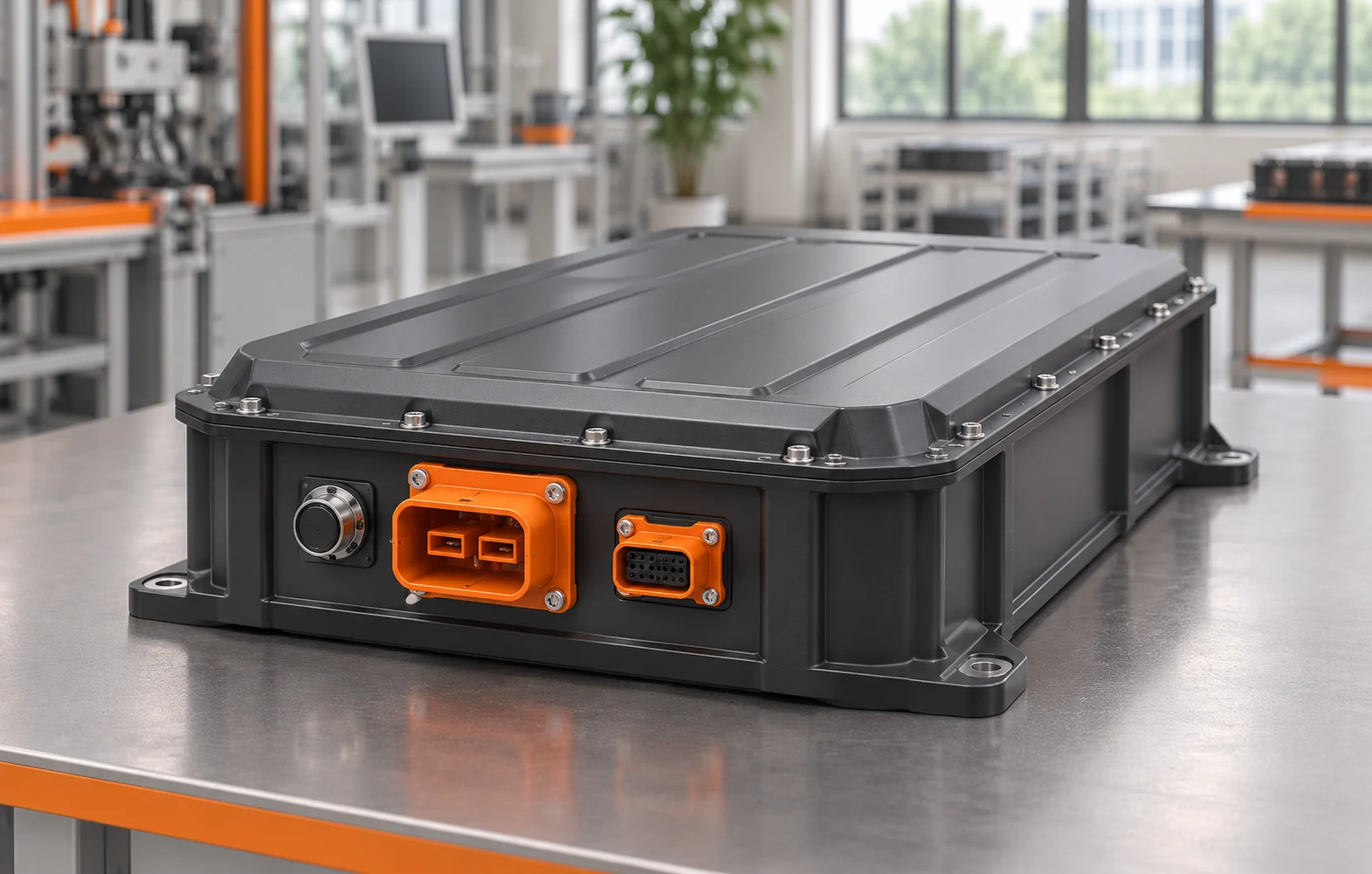
Build a sample
In the agreed enclosure.
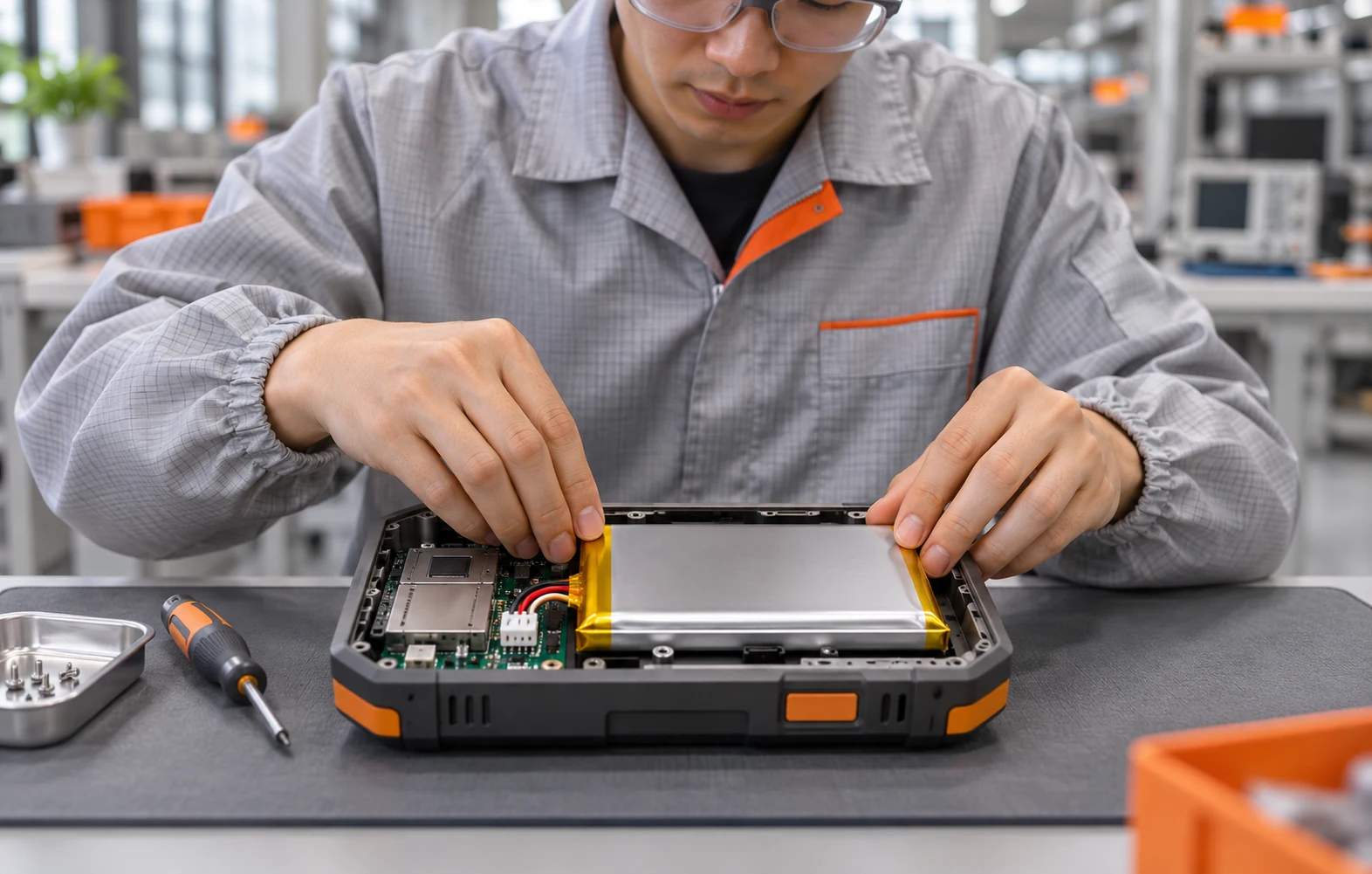
Check the fit
In your device.
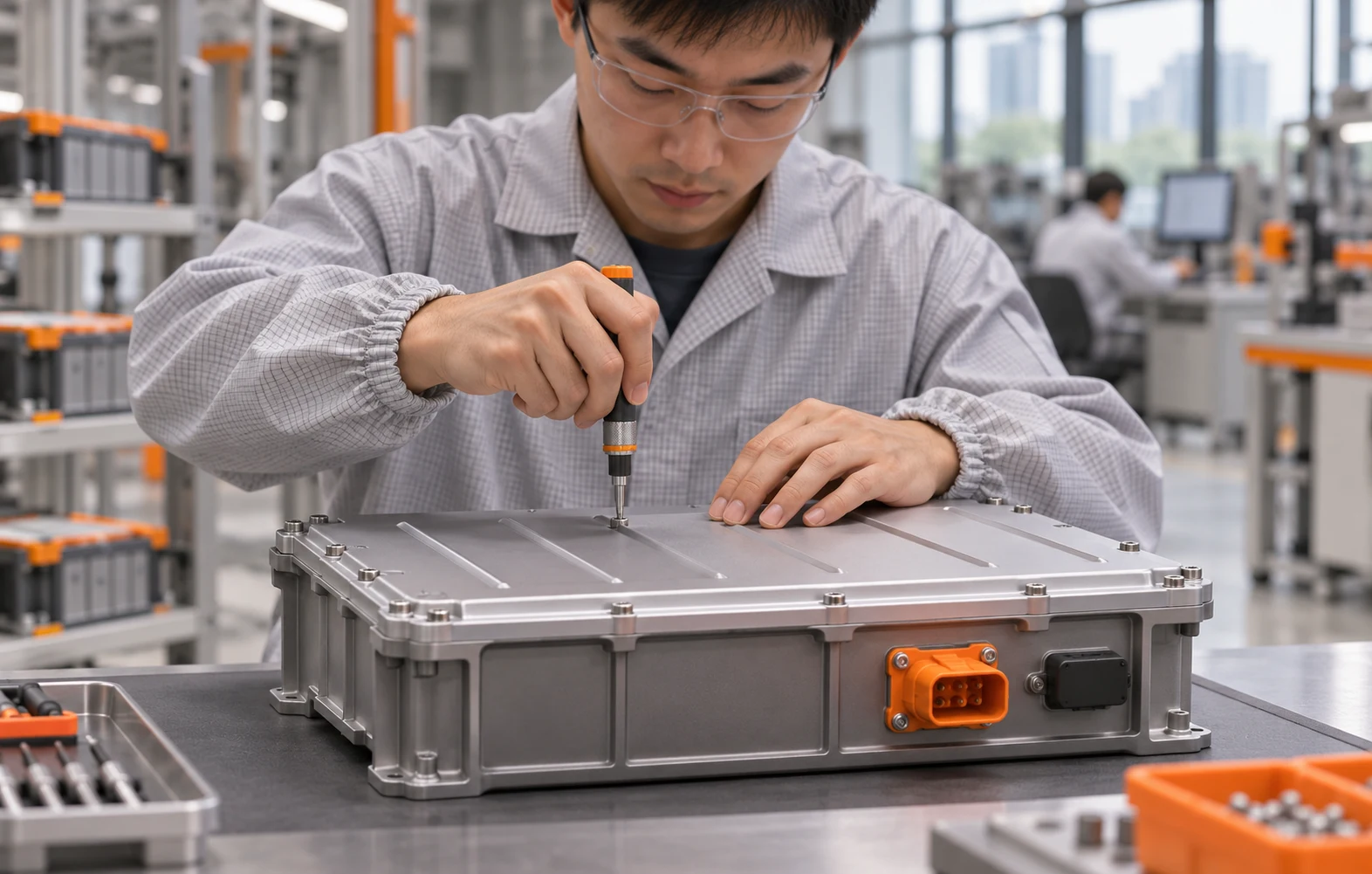
Adjust, then produce
Changes are made before production. Prototyping and samples

Have a drawing?
Send it with your voltage and capacity. Get a reply within 24 hours.