







Battery Packs for Pulse Oximeter Makers
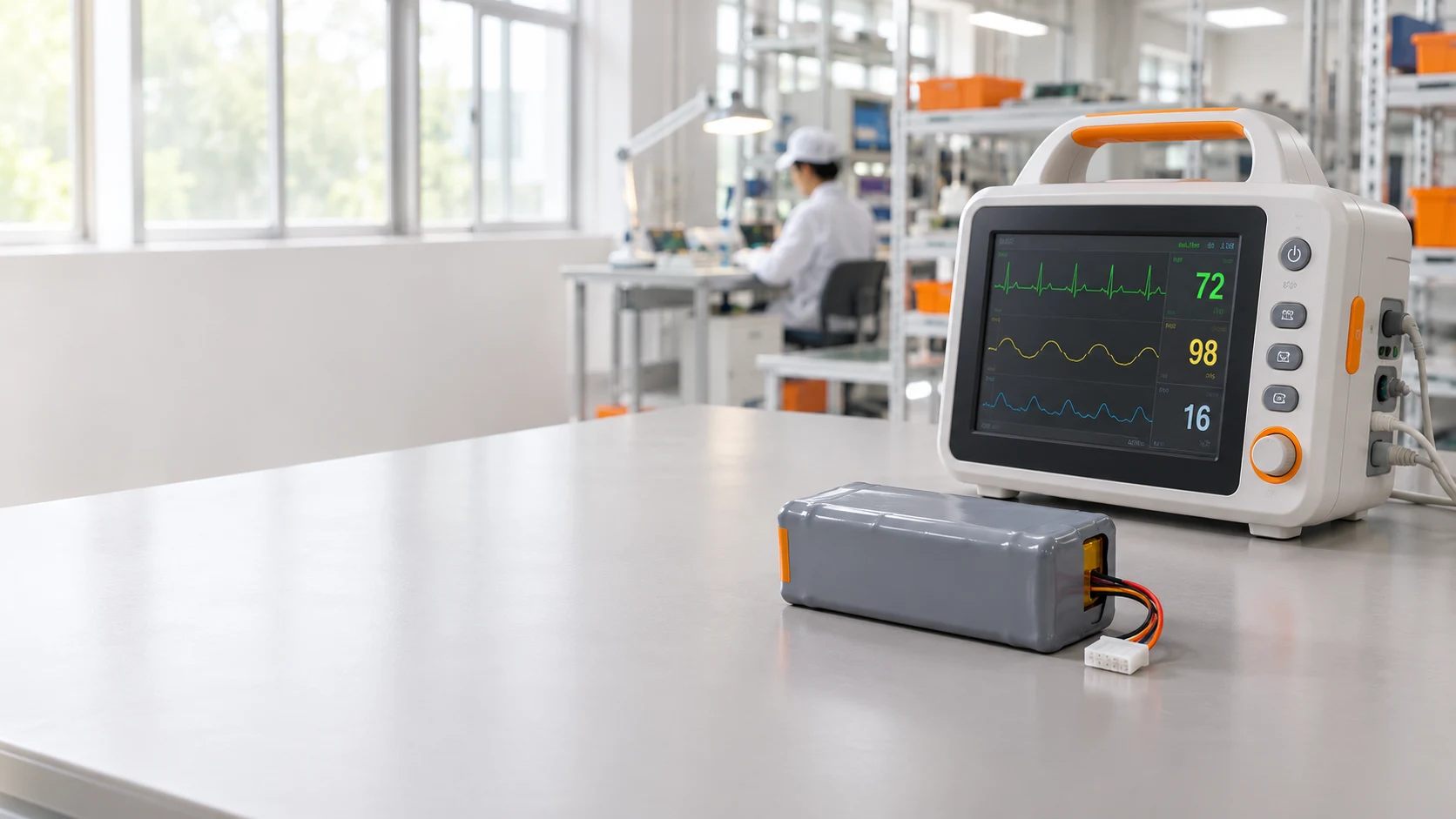
A pulse oximeter battery must give steady power to the sensor and screen, stay small and charge safely. Jetray builds custom rechargeable lithium packs for fingertip, handheld and bedside pulse oximeters, for device makers.
Match the pack to the oximeter type
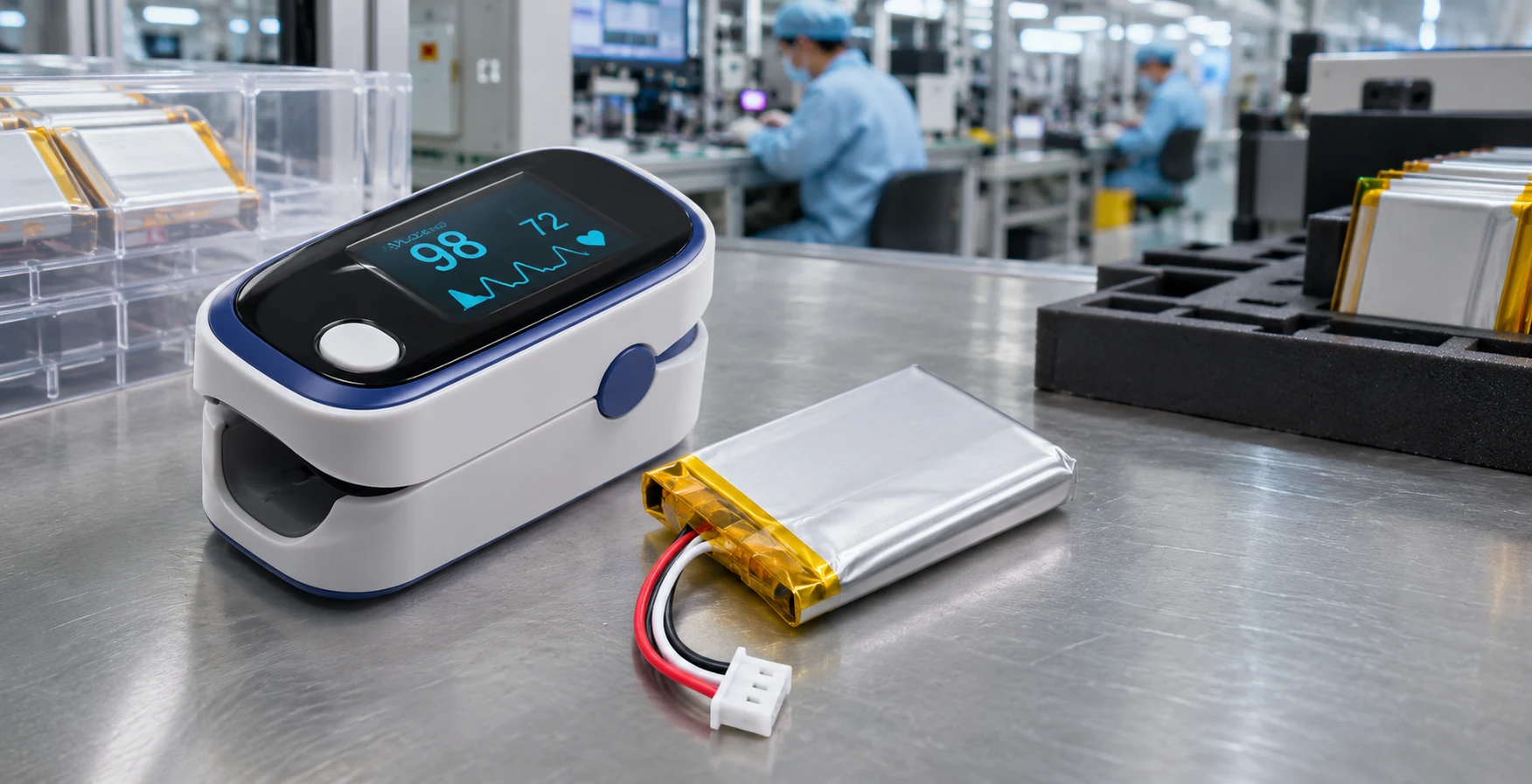
Fingertip units are tight on space, so we design to the case and the cell thickness you give us.

Fingertip
- Common power
- Small cell or dry batteries
- Points to check
- Very small size, light weight, low drain
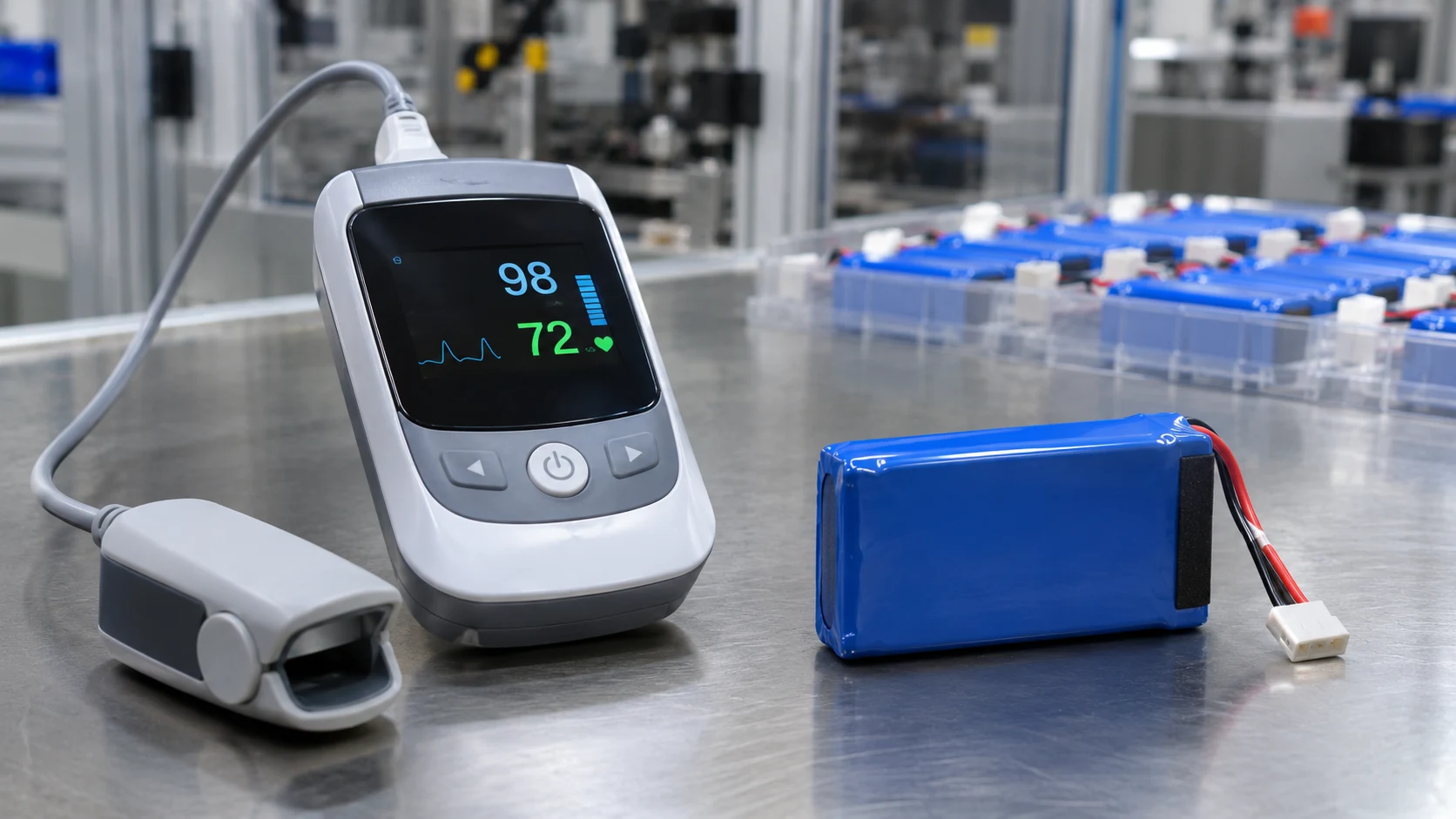
Handheld
- Common power
- Li-ion or LiPo pack
- Points to check
- Screen and alarm current, charge level

Bedside or transport
- Common power
- Li-ion pack, often with a data link
- Points to check
- Run time during transport, charge level on screen
What the battery has to do
- 01Steady voltage. The sensor reading depends on stable power.
- 02Run through a shift. Handheld and transport units need a clear run time.
- 03Safe charging. Protection against overcharge, over-discharge, over-current and short circuit, plus a temperature check. BMS design →
- 04Report charge level. With a communication link, the device shows remaining charge. CAN, UART, RS485 and Bluetooth can be set up to your requirement.
- 05Easy cleaning of the device. The pack sits sealed in the case, so choose a case that closes well. IP65 is our usual level, and other levels can be made on request. Enclosure design →
How to size the pack
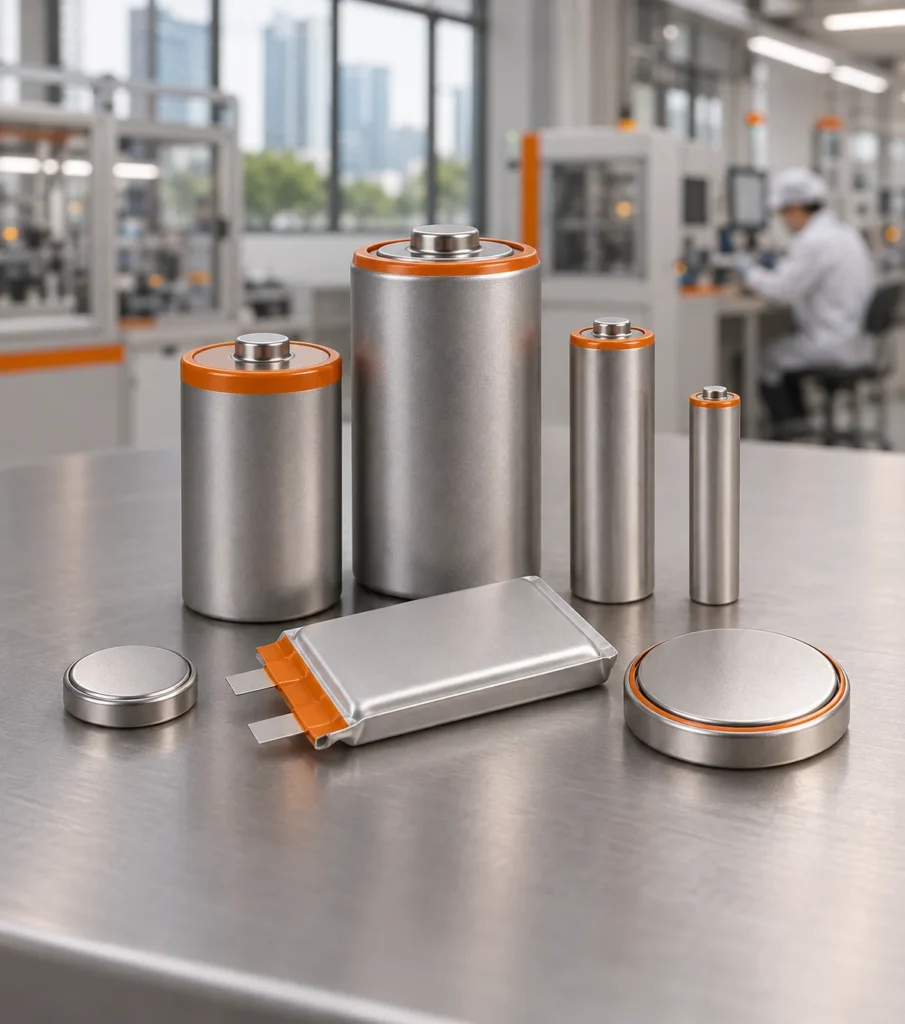
Send your numbers and the size limit. We select the cells and layout. Cell options include Panasonic, Samsung, LG, Molicel and EVE. Cell selection →
- 01Find the average current of the oximeter in use and in standby.
- 02Decide how many hours of use you want between charges.
- 03Add margin for cold weather and ageing.
Documents, samples and delivery
UN38.3, IEC 62133 and MSDS documents are available, with transport and certification reports for the shipment.
Other standards depend on your device and market. Custom battery pack samples are charged, and you test them in your device before the batch. Custom packs usually take one to two months. Prototyping and samples →
Options you can set
Mark what you want to discuss. Your picks go into the quote form below.
Mistakes to avoid with oximeter batteries
Ignoring the sensor current
The LED and sensor draw current while reading. Measure it before sizing the pack.
Choosing the wrong type for the device
Fingertip, wrist and handheld oximeters have very different space and run-time needs.
No charge indicator
Users want to see the charge level. Plan the signal or fuel gauge with us.
Overlooking cleaning
If the device is wiped or disinfected, the pack and contacts must suit it.
Testing only on the bench
A sample in the real device shows heat and fit.
From first message to delivery


Frequently asked questions
Fingertip units often use small dry batteries or small cells. Handheld and bedside units often use a rechargeable lithium pack.
Send the case size and the current draw. We confirm what cell and layout fit.
Yes, with a fuel gauge and a communication link. We set it to your requirement.
We work with device makers and distributors. For a replacement battery, contact the maker of your oximeter.
UN38.3, IEC 62133 and MSDS. Tell us the model and we confirm which documents cover it.
Yes. Send each model's battery space and we quote them together or separately.
MOQ depends on the product. Send your quantity and we confirm.
Building a pulse oximeter?
Send the size limit and current draw. We reply within 24 hours.
Your pulse oximeter battery packs
Values from the tools above are already here. Add what you know and send.
Your message to an engineer
Fill what you know. Blank lines are fine.Goes straight to our sales engineers, the same as the quote form. Need to attach a drawing? Use the quote form or email it.
Building a pulse oximeter? Send the size limit and current draw.
Request a Quote→