


Battery Packs for Breast Pump Makers
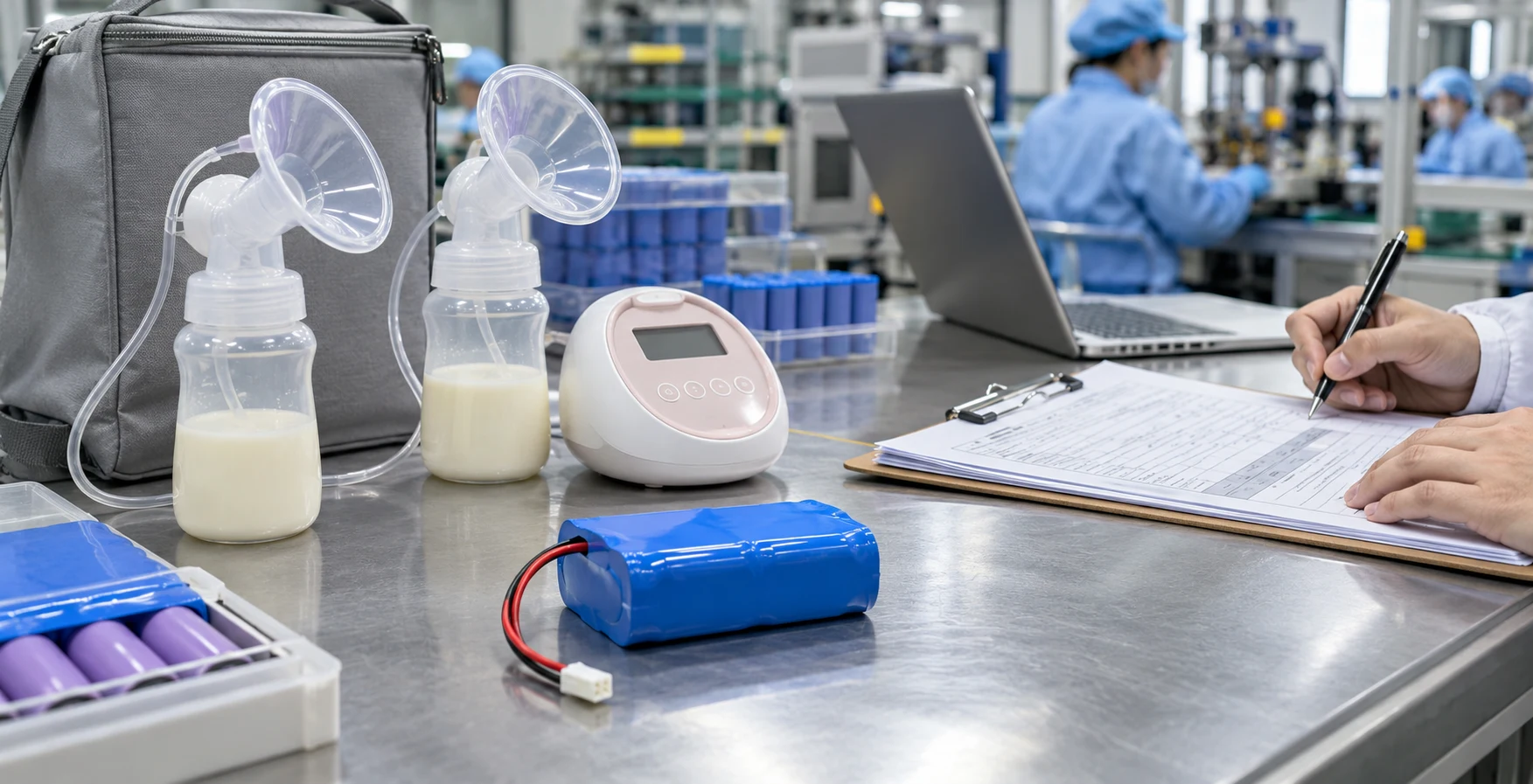
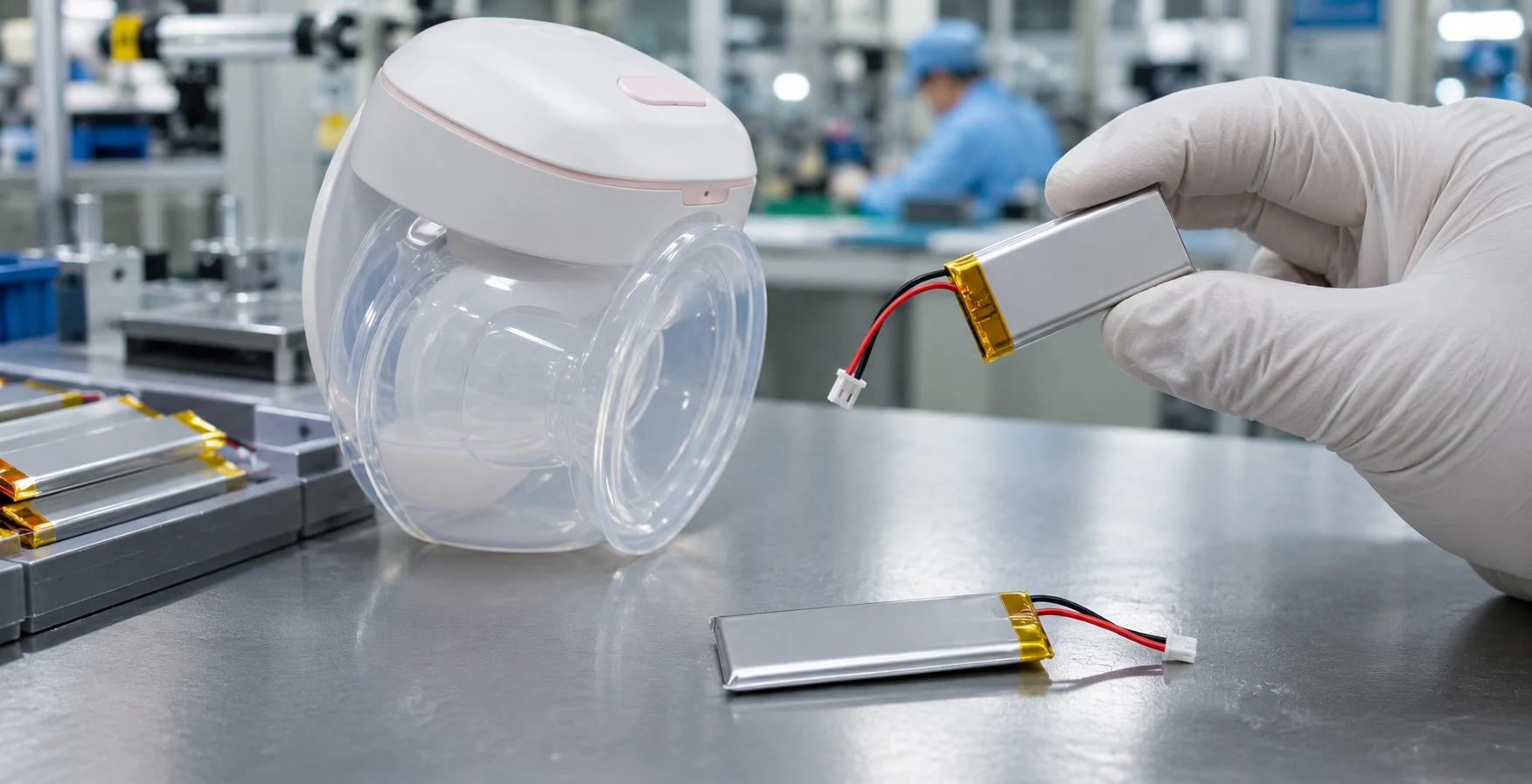
A breast pump battery must run a small motor quietly, stay cool against the body and charge safely at home. Jetray builds custom rechargeable lithium packs for portable and wearable breast pumps, for device makers.
What the pack must do
- 01Run the motor. The pump motor draws steady current, with peaks at start.
- 02Stay slim. Wearable pumps sit inside a bra, so shape and weight matter.
- 03Stay cool. The pack sits near the body, so heat control matters.
- 04Charge safely at home. Protection against overcharge, over-discharge, over-current and short circuit, plus a temperature check. BMS design →
- 05Show charge level. An LED or a data link to the device. CAN, UART, RS485 and Bluetooth can be set up to your requirement.
Wearable or portable
Tell us the motor's voltage and current, and how many sessions you want per charge. We select the cells and layout. Cell options include Panasonic, Samsung, LG, Molicel and EVE. Cell selection →

Wearable (in-bra)
- Common setup
- Slim LiPo or small Li-ion pack
- Points to check
- Thin, light, heat, splash protection

Portable (hand-held)
- Common setup
- Li-ion pack, two cells or more
- Points to check
- Run time per charge, charge port
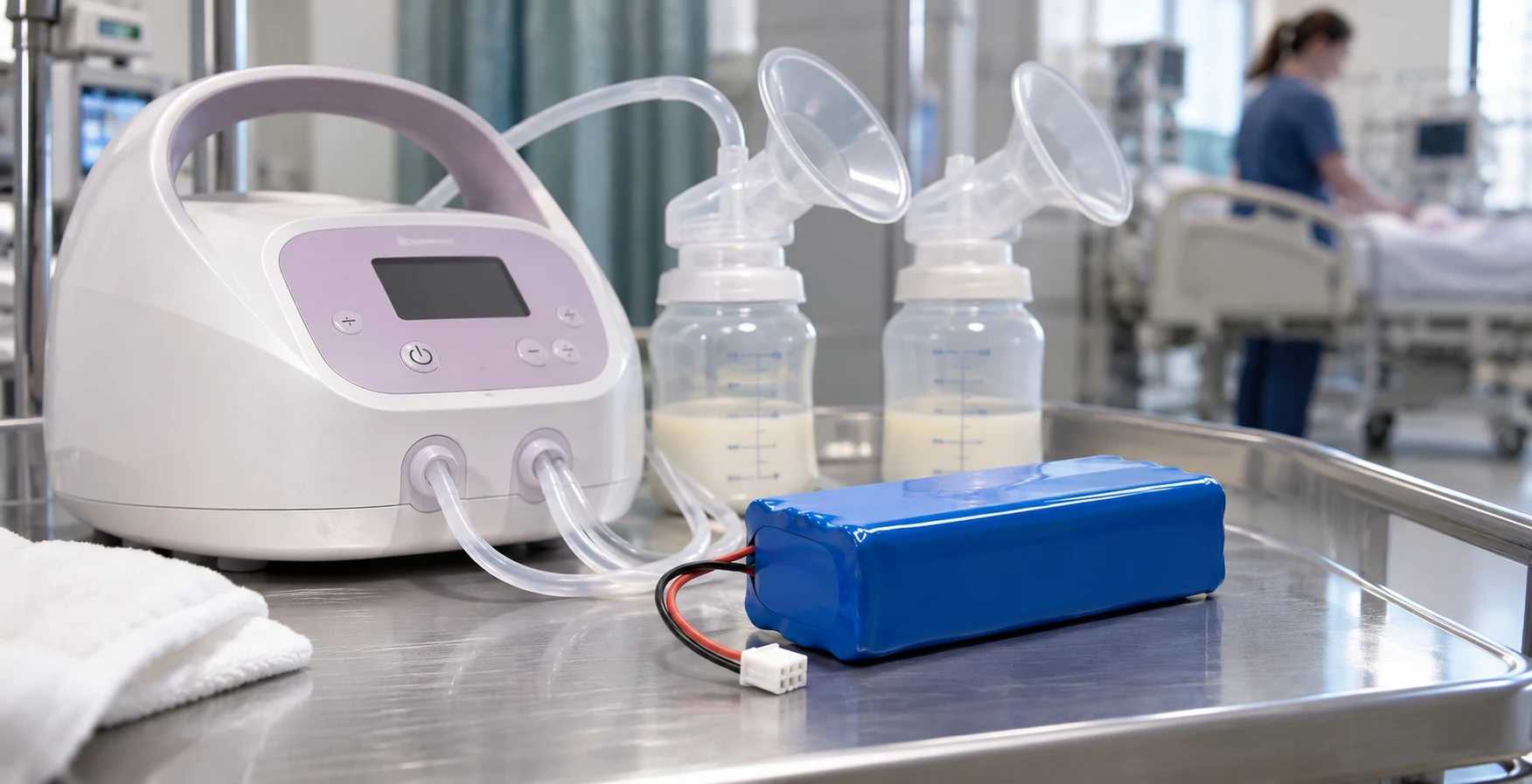
Hospital-grade
- Common setup
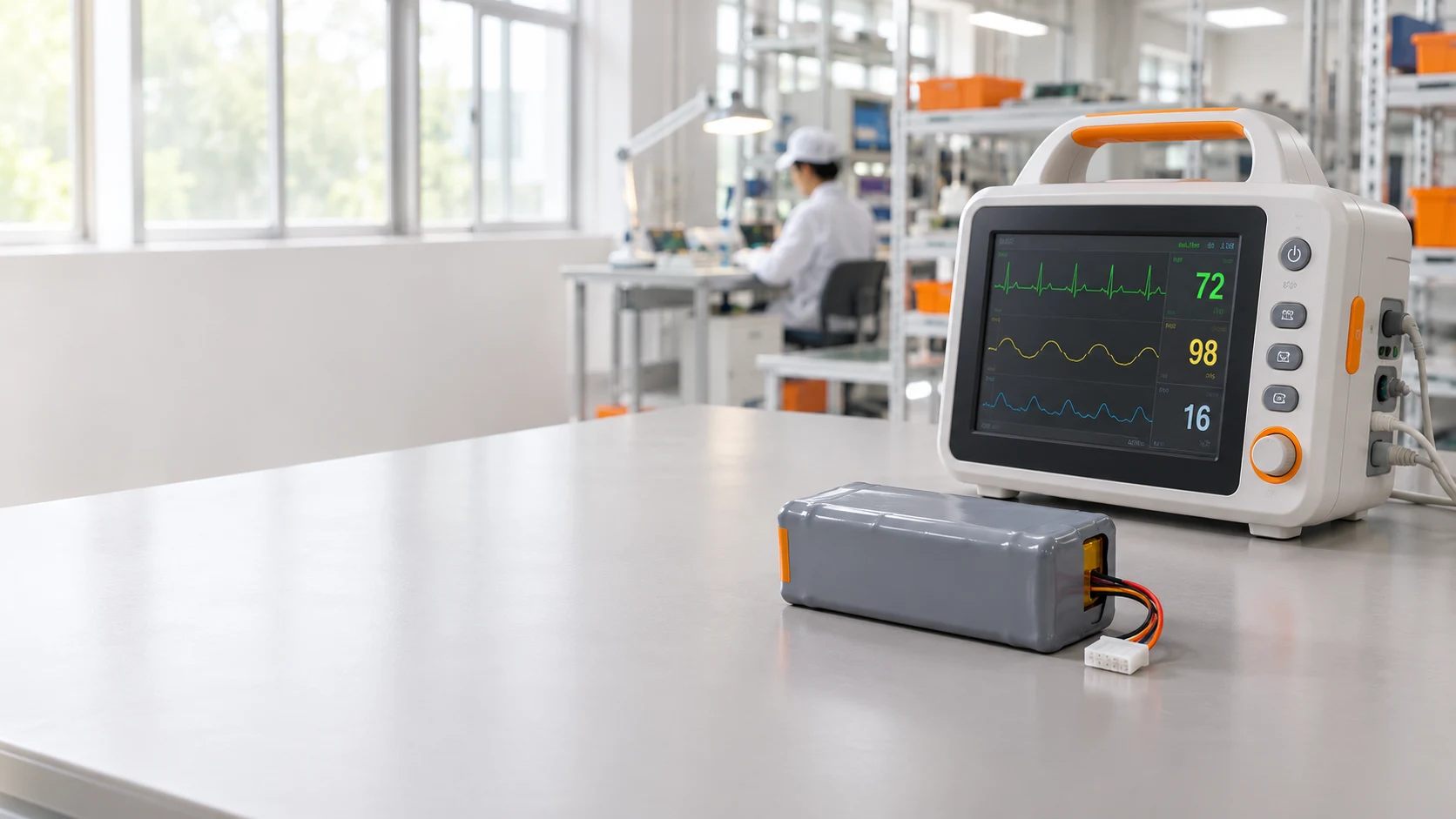
- Larger pack or mains plus backup
- Points to check
- Long run time, rugged case
Case, splash and cleaning
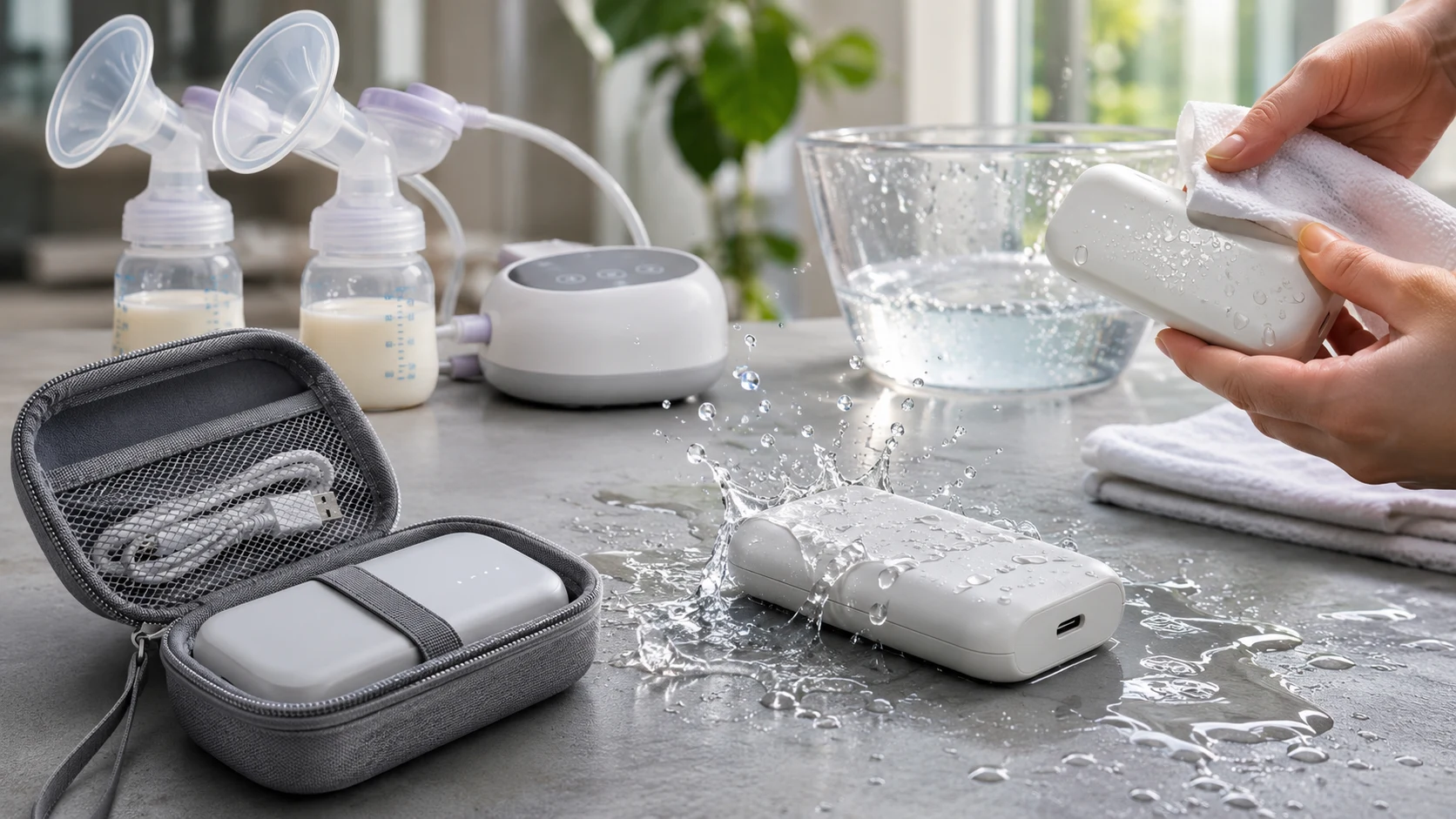
Pumps meet milk and water. The pack sits sealed in the device, so the case and seals matter. IP65 is our usual level, and other levels can be made on request. Tell us how the device is cleaned and where the pack sits. Enclosure design →
Order and documents

UN38.3, IEC 62133 and MSDS documents are available, with transport and certification reports for the shipment. Other standards depend on your device and market. Custom battery pack samples are charged, and you test them on your pump. Custom packs usually take one to two months. MOQ depends on the product. Cost and MOQ → Quality and certification →
Options you can set
Mark what you want to discuss. Your picks go into the quote form below.
Mistakes to avoid with breast pump batteries
- 01
Sizing for one session
WhyThink in sessions per charge and per day, including standby.
- 02
Overlooking motor current
WhyThe motor draws more at the start and at high suction. Measure it.
- 03
Heat near the body
WhyWearable pumps sit close to the user. Keep heat low through cell choice and layout.
- 04
Splash and cleaning
WhyThe pack and charging port must suit how the pump is used and cleaned.
- 05
Choosing cell size late
WhyWearable housings are small. Settle the battery space early.
From first message to delivery
- 1Send the pump type, battery space, sessions per charge and charging method.
- 2We propose cell, protection and layout, and quote.
- 3We build a charged sample, and you test it in the pump.
- 4We adjust size, current or protection from your notes.
- 5Batch production, final test and shipment with the documents you need.


Frequently asked questions
No. Those packs belong to the pump makers. We supply device makers who build their own pumps.
Send the thickness limit and the case size. We confirm what cell and layout fit.
Yes. Voltage, capacity, connector, shape and label can be set to your design.
The pack has protection against overcharge, over-discharge, over-current, short circuit and high temperature. We confirm the limits on samples.
UN38.3, IEC 62133 and MSDS. Tell us the model and we confirm which documents cover it.
Yes. We set up the charging circuit for the cell.
Yes. Private label is supported.
Making a breast pump?
Send the motor current, size limit and sessions per charge. We reply within 24 hours.
Your breast pump battery packs
Values from the tools above are already here. Add what you know and send.
Your message to an engineer
Fill what you know. Blank lines are fine.Goes straight to our sales engineers, the same as the quote form. Need to attach a drawing? Use the quote form or email it.
Making a breast pump? Send the motor current, size limit and sessions per charge.
Request a Quote→