

























LiFePO4 Batteries for Long-Life Packs
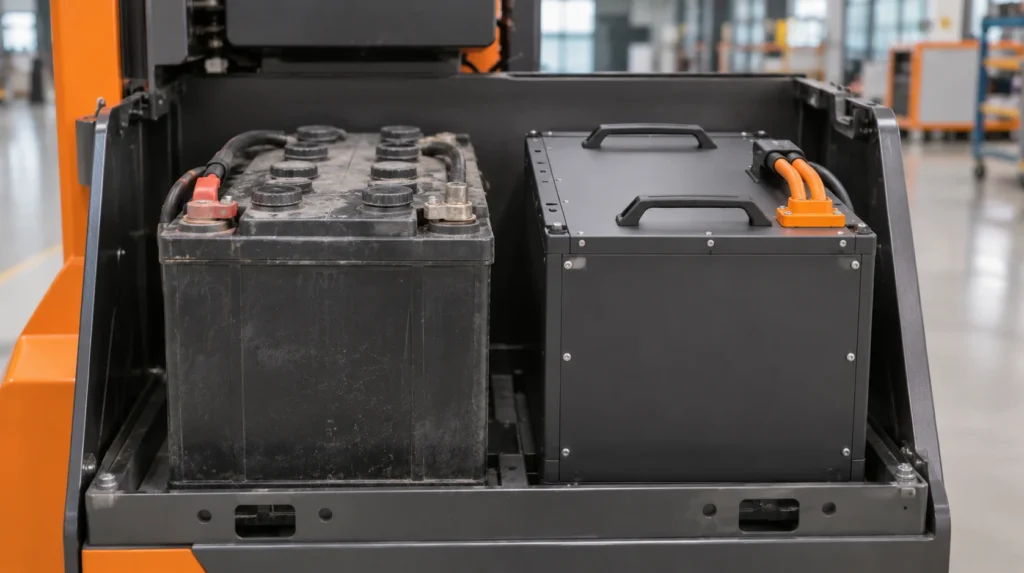
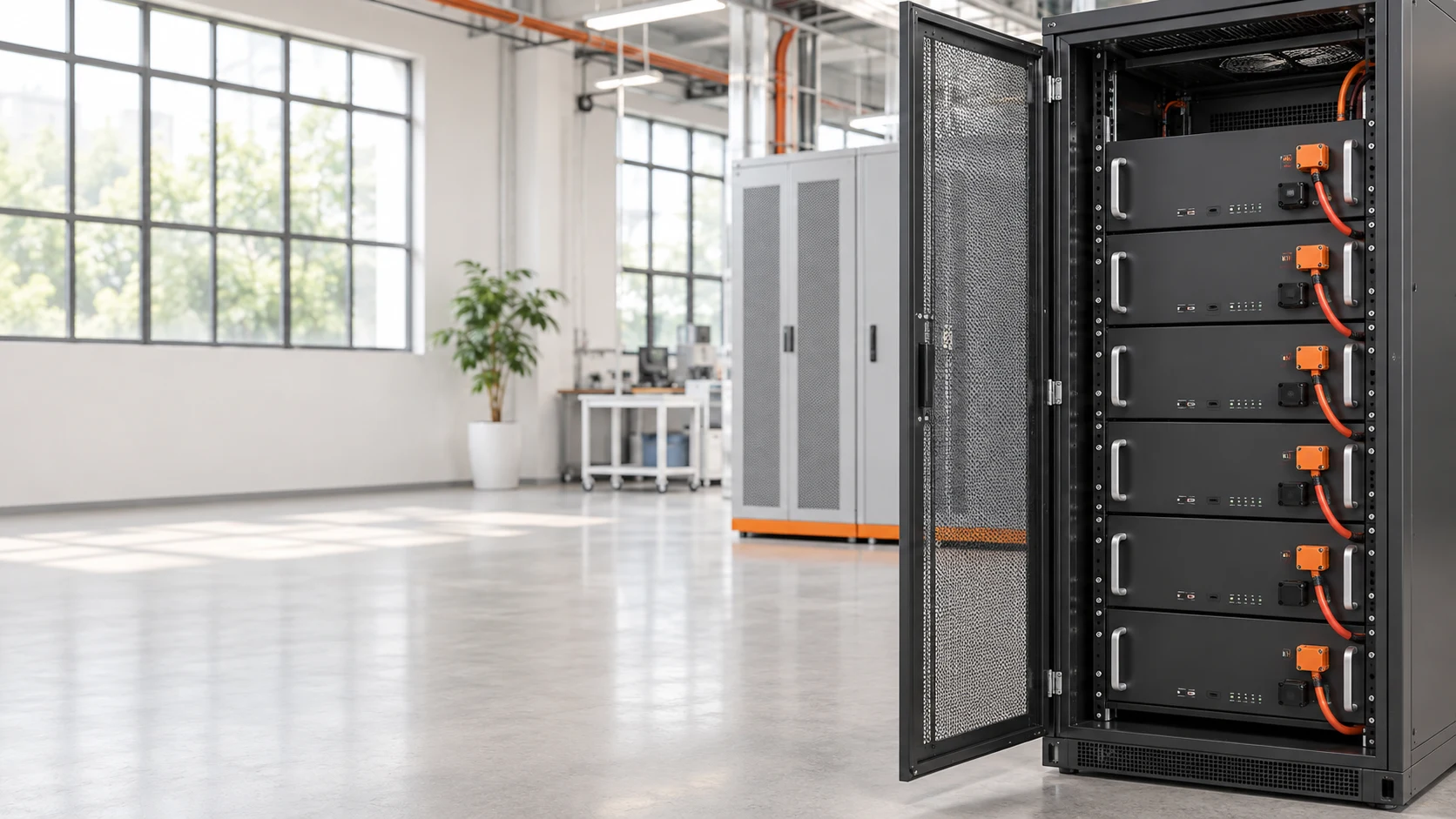
Lithium iron phosphate trades some energy density for long cycle life and high thermal stability. It is the go-to choice for energy storage, AGVs, golf carts and lead-acid replacement.
What to expect from LiFePO4 cells
Typical values. We confirm every figure against the cell datasheet you approve.
| Parameter | Typical value | Design note |
|---|---|---|
| Nominal voltage | 3.2 V | 4S = 12.8 V, 8S = 25.6 V, 16S = 51.2 V |
| Charge voltage | 3.6–3.65 V | Lead-acid chargers need checking |
| Discharge cut-off | 2.5–2.8 V | BMS sets the final limit |
| Cycle life | 2,000+ cycles | Often far more at partial depth of discharge |
| Voltage curve | Very flat | State of charge needs coulomb counting |
| Charging temperature | 0–45 °C | Add heating for cold climates |

A drop-in for 12 V, 24 V and 48 V systems
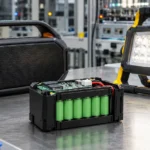
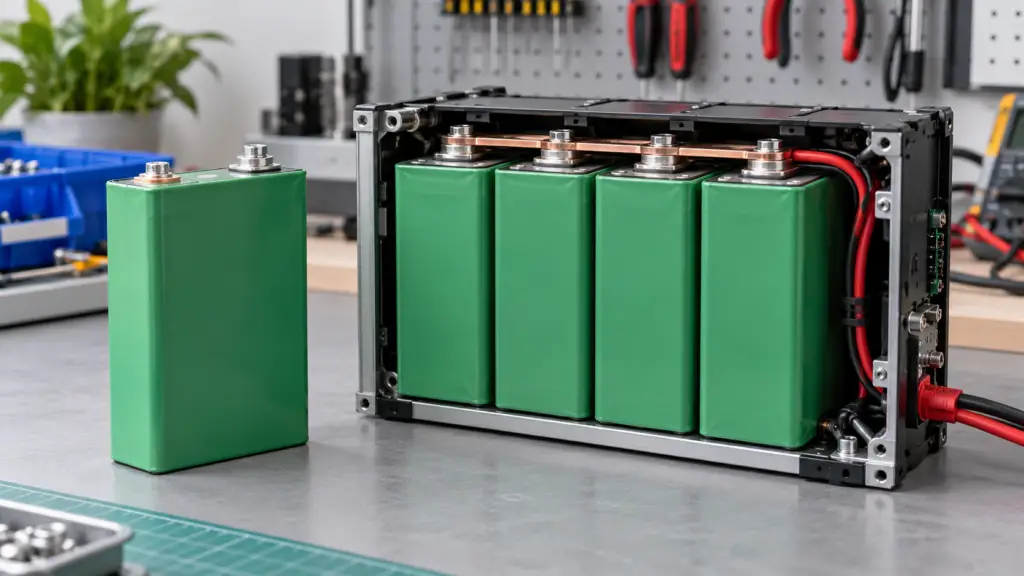
Four LiFePO4 cells in series sit in the same voltage window as a 12 V lead-acid battery, at roughly a third of the weight and with far more usable capacity.
- Same voltage class as 12 / 24 / 48 V lead-acid
- Usable capacity close to rated capacity
- Little maintenance, no watering
- BMS with Bluetooth, CAN or RS485 on request
Frequently asked questions
Yes, for the same energy it is larger and heavier, but much lighter than lead-acid.
Sometimes. The charge voltage and float settings must suit LiFePO4. We recommend a matched lithium charger or checking the charger profile with us.
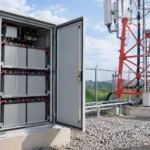
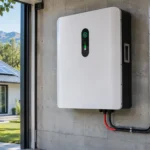
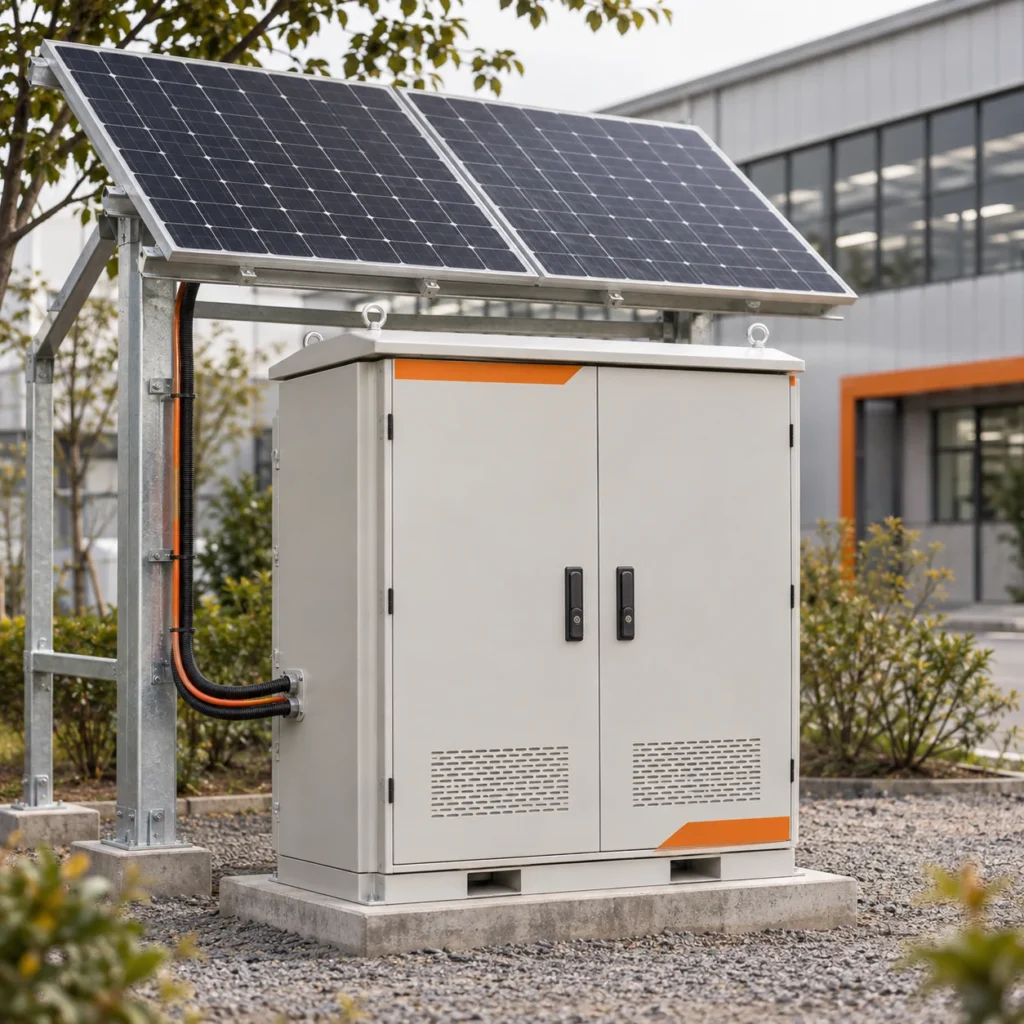
Long cycle life, thermal stability and a flat voltage curve make it well suited to daily cycling in home, telecom and UPS systems.

Planning a LiFePO4 pack?
Tell us the voltage, capacity, current and communication you need. We will reply within 24 hours.