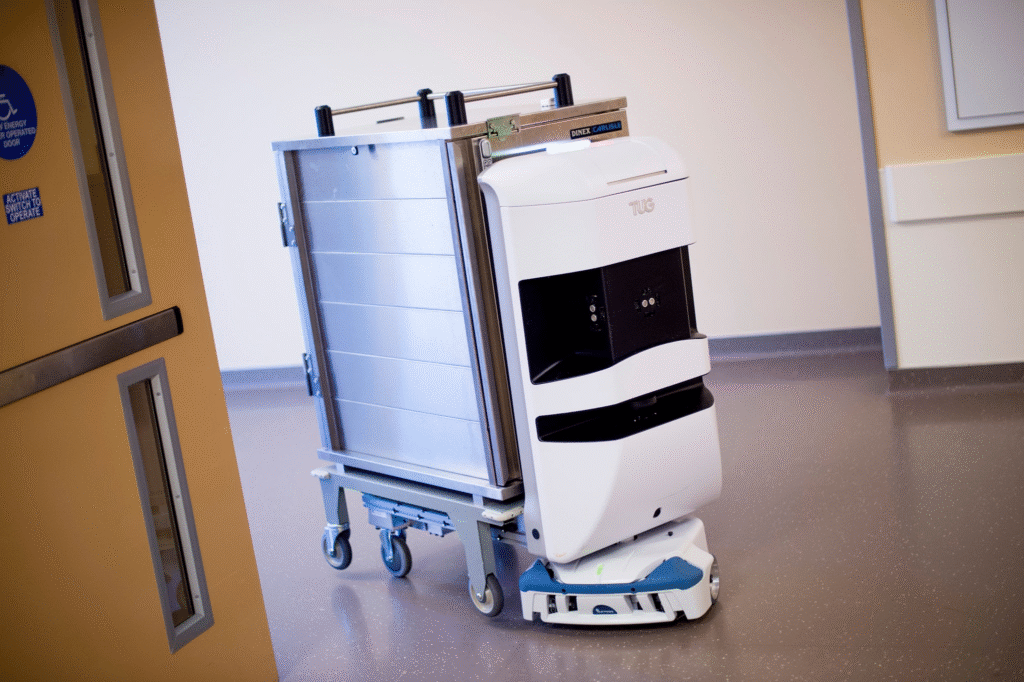
Mobile medical robots—including autonomous disinfection systems, hospital logistics couriers, and telepresence units—require a power architecture that maximizes uptime while fitting into highly constrained mechanical footprints.
The 12S3P lithium-ion battery configuration has emerged as an industry standard for these mobile platforms, providing the precise voltage, thermal control, and safety margins mandated by hospital environments.
What does a 12S3P architecture deliver mathematically?
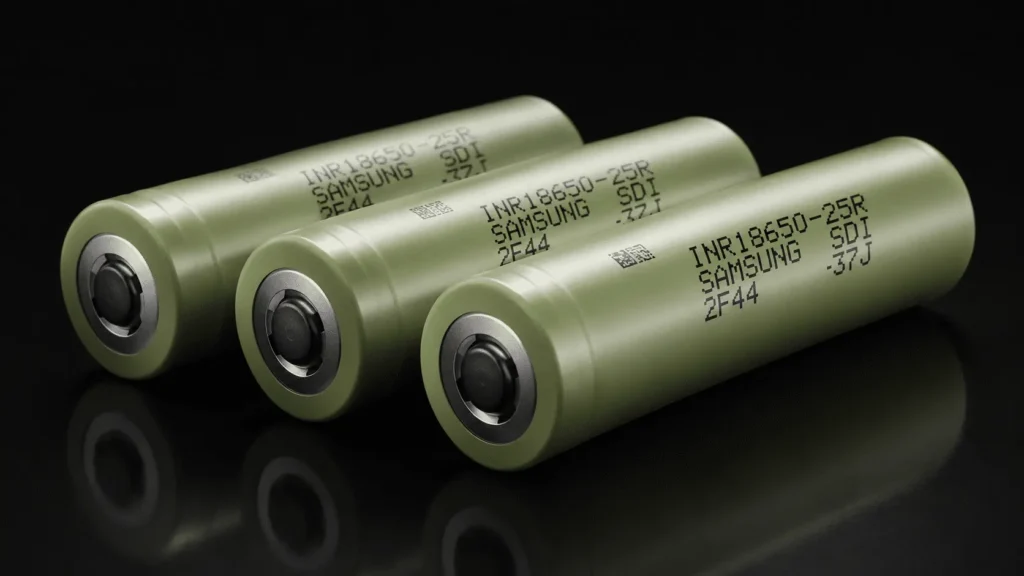
A 12S3P configuration consists of 36 individual cylindrical cells (typically 18650 or 21700 form factors). The matrix wires 12 cells in series (S) to scale up the voltage, cross-connected with 3 strings in parallel (P) to expand capacity.
Using standard 3.6V medical-grade cells rated at 3.5Ah, this specific layout delivers a stable 43.2V nominal output (charging up to 50.4V) with a total pack capacity of 10.5Ah.
Why is a 43V platform ideal for clinical safety?
Medical equipment must comply with strict international safety standards, such as IEC 60601-1. Keeping the maximum pack voltage under the 60V DC threshold allows the robot to operate within Safety Extra-Low Voltage (SELV) classifications.
This classification drastically reduces regulatory compliance hurdles and insulation costs. Simultaneously, the 43V architecture provides far greater motor efficiency and lower current draw than legacy 24V systems, preventing internal component overheating.
How does the 3P parallel design balance runtime and weight?
Hospital logistics robots must typically run continuously for an 8-to-12-hour shift. Adding more cells in parallel increases runtime but makes the robot too heavy to navigate tightly packed clinical corridors safely.
The 3P configuration strikes the perfect engineering sweet spot. It yields enough capacity to handle continuous autonomous driving and sensor computation while keeping the total battery pack weight under 3.5 kilograms.
What protective elements safeguard the cell matrix?
Medical-grade battery enclosures utilize rigid, non-conductive composite cell spacers that enforce physical isolation between each cell. This structural grid absorbs heavy impacts from door frames or elevator thresholds without risking internal shorts.
The assembly is managed by a dual-redundant BMS that communicates via an isolated CAN bus directly to the robot’s main controller, providing real-time data on cell voltage balance and localized temperature changes.
Power Architecture Trade-offs for Medical Mobility
| Configuration Matrix | Nominal Voltage | Target Robotic Application | Primary Engineering Limitation |
| 7S6P Architecture | 25.2V | Small telepresence pods | High current draw causes excessive cable heat |
| 12S3P Architecture | 43.2V | Hospital AMRs & Disinfection | Requires precise balancing across the 12 series lines |
| 16S2P Architecture | 57.6V | Heavy rehabilitation exoskeletons | Approaches the upper limit of low-voltage safety margins |
Focus on structural efficiency and compliance
When sourcing power packs for mobile clinical robotics, standard consumer drone or e-bike batteries cannot meet rigorous medical safety thresholds.
Utilizing a dedicated 12S3P configuration ensures your autonomous fleet maintains high drive torque, full compliance with hospital voltage safety caps, and a light physical footprint for agile facility navigation.