
If you just want the short answer: most lithium batteries last between 2 and 10 years, depending on the type and how you use them.
A typical lithium-ion battery in phones or laptops can handle 300 to 1,000 charge cycles, while LiFePO₄ batteries used in solar or EV systems can last 3,000 to 7,000 cycles — that’s 10 to 15 years of use.
Now, let’s break down why that number changes so much, and what you can do to make your battery last longer.
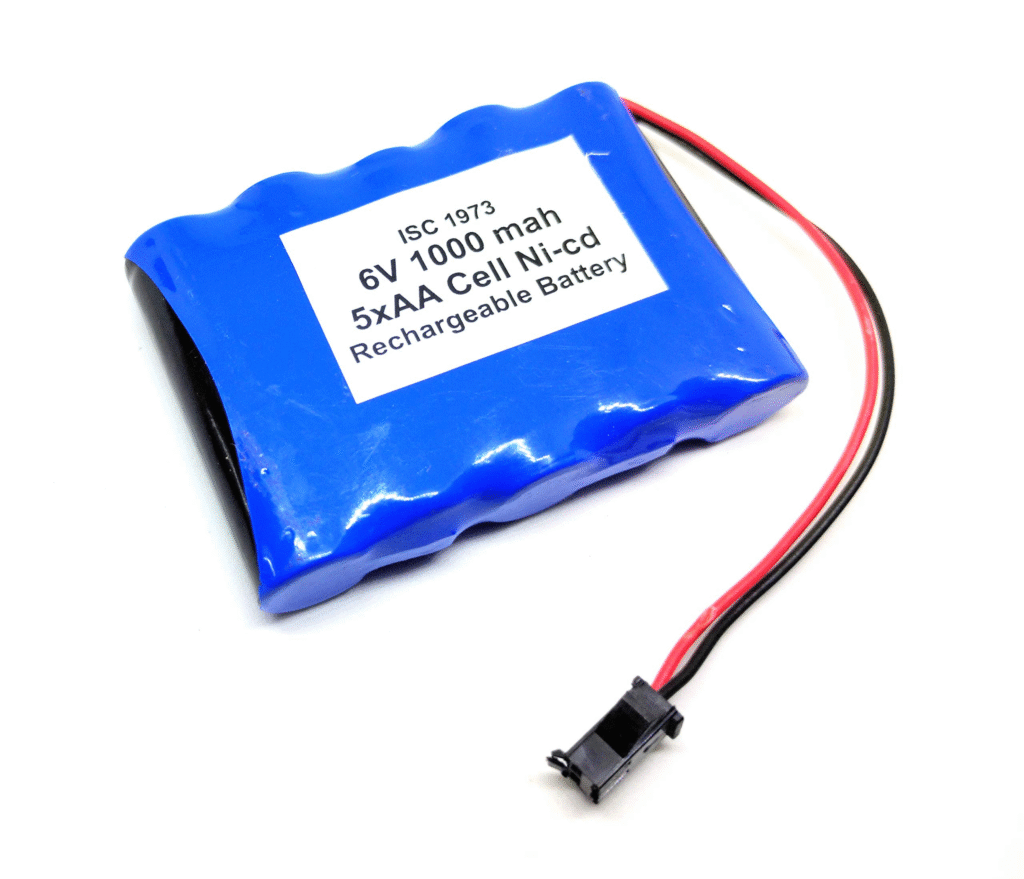
What “Battery Life” Really Means
When people ask how long a battery lasts, they usually mean how many times it can be charged and discharged before its capacity drops below 80% of its original value.
Each full charge-and-discharge is called one cycle.
So, a 500-cycle battery doesn’t mean 500 days — it depends on how often you use it. If you charge your device every two days, that’s roughly three years of life.
Typical Lifespan by Battery Type
| Battery Type | Average Lifespan | Cycle Life (approx.) | Typical Use |
|---|---|---|---|
| Lithium-Ion (Li-ion) | 2 – 10 years | 300 – 1,000 cycles | Phones, laptops, tools |
| Lithium Iron Phosphate (LiFePO₄) | 5 – 15 years | 3,000 – 7,000 cycles | Solar storage, EVs |
| Lithium Polymer (LiPo) | 2 – 5 years | 300 – 500 cycles | Drones, RC models |
That’s why you often see home energy systems or electric vehicles using LiFePO₄ — it trades some energy density for a much longer life span.
Main Factors That Affect Battery Lifespan
Several everyday habits can make your battery last much shorter — or much longer.
Temperature
Heat is the enemy.
Every 10 °C increase above room temperature can double the rate of chemical aging. Cold temperatures reduce capacity temporarily, but heat causes permanent damage.
Tip: Keep batteries away from cars, windowsills, and other hot spots.
Depth of Discharge (DoD)
The deeper you drain your battery each time, the faster it wears out.
A battery cycled from 100% → 0% degrades faster than one used between 80% and 30%.
Tip: Partial charging is healthier than full drain-and-fill cycles.
Charging Habits
Using fast chargers or keeping batteries at 100% for long periods can stress cells.
Tip: Unplug once full, and use quality chargers matched to your battery type.
Storage Condition
Batteries age even when unused — especially if stored fully charged or empty.
Tip: For long-term storage, keep batteries at 40–60% charge in a cool, dry place.
How to Make Your Lithium Battery Last Longer
Here’s a quick checklist of habits that can easily add years of life:
Keep batteries cool — avoid direct sun and hot cars.
Don’t drain them completely before recharging.
Avoid staying at 100% charge for days.
Use the charger provided or recommended by the manufacturer.
For seasonal equipment, store batteries half-charged.
Use a proper Battery Management System (BMS) if you build or buy custom packs.
Following these can easily stretch your battery’s usable life from 3 years to 8 or more.
Lithium vs Traditional Batteries
Compared with lead-acid or NiMH batteries, lithium types have much better energy density, cycle life, and efficiency.
A LiFePO₄ battery may last 10 times longer than a lead-acid unit while being half the weight and needing no maintenance.
That’s why most modern electronics and renewable-energy systems now rely on lithium technology.
Final Thoughts
So, how long do lithium batteries last?
If you treat them well — moderate temperature, avoid full discharges, charge properly, and store smartly — you can easily expect 5 to 10 years of reliable performance, or even 15 years for LiFePO₄ packs.
A little care goes a long way in keeping your battery healthy — and your devices running longer.