
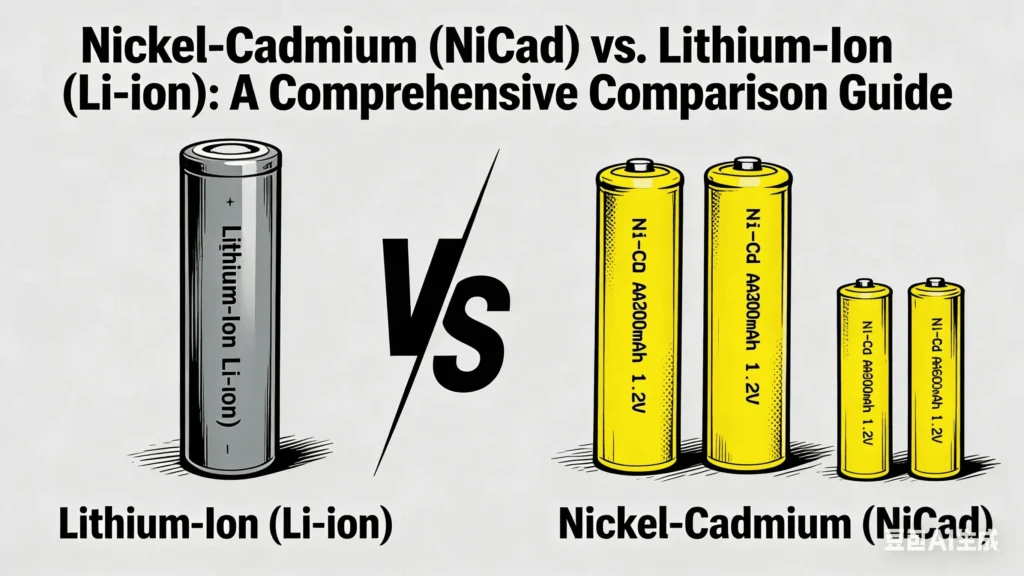
Rechargeable batteries play a critical role in modern devices, from power tools and consumer electronics to electric vehicles and industrial systems. Among the many battery types available, Nickel-Cadmium (NiCad) and Lithium-Ion (Li-ion) represent two very different generations of technology.
NiCad batteries were once the standard choice for demanding applications, while Li-ion batteries now dominate most modern markets. Despite this shift, NiCad batteries have not completely disappeared. Each chemistry has unique strengths and limitations.
This guide provides a clear and practical comparison of NiCad vs. Li-ion, covering chemistry, performance, safety, cost, and real-world applications to help you choose the right battery for your needs.
Introduction
Choosing the right rechargeable battery affects device performance, reliability, maintenance effort, and long-term cost. In earlier decades, NiCad batteries were widely used due to their durability and high discharge capability. Over time, Li-ion technology replaced NiCad in most applications thanks to higher energy density and lighter weight.
However, newer does not always mean better for every scenario. In extreme environments or specialized industrial systems, NiCad batteries may still offer advantages. Understanding the true differences between these two battery types is essential for informed decision-making.
2. Chemistry & Basics
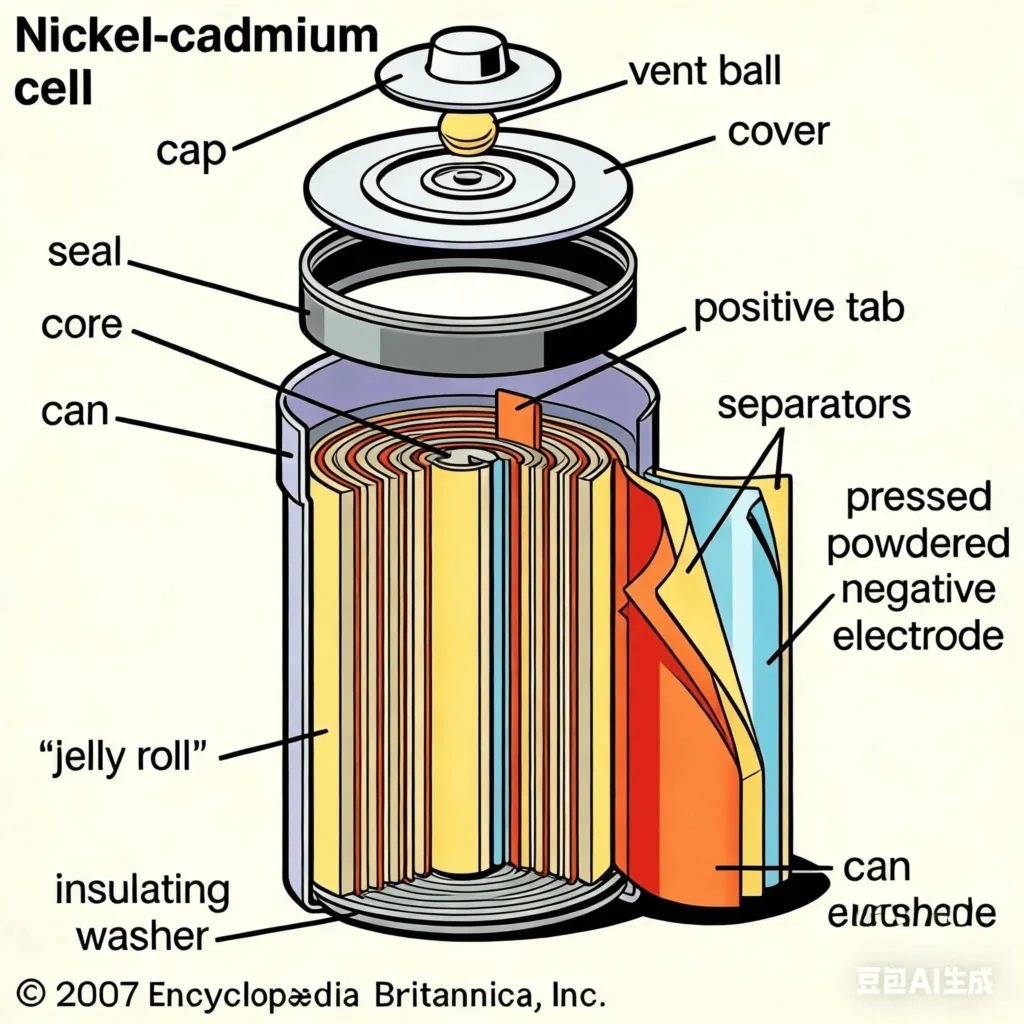
Nickel-Cadmium (NiCad)
NiCad batteries use nickel hydroxide as the positive electrode and cadmium metal as the negative electrode, with an alkaline electrolyte such as potassium hydroxide.
This chemistry is known for its mechanical robustness and ability to deliver high discharge currents. NiCad cells tolerate overcharging and electrical abuse better than many modern batteries. These traits made them popular in early power tools, aviation systems, and emergency equipment.
The major drawback is cadmium itself, which is a toxic heavy metal and presents environmental and regulatory challenges.
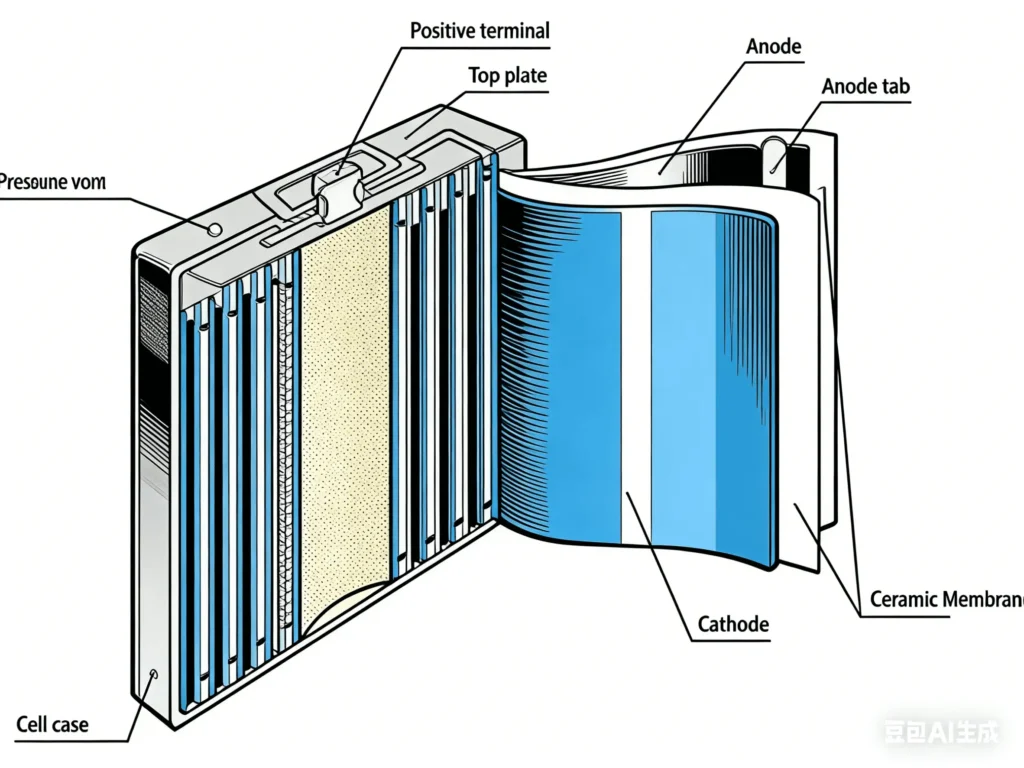
Lithium-Ion (Li-ion)
Li-ion batteries operate by moving lithium ions between the positive and negative electrodes during charge and discharge. Common cathode materials include lithium cobalt oxide, lithium iron phosphate, and nickel-manganese-cobalt (NMC).
Compared with NiCad, Li-ion batteries offer much higher energy density and significantly lower weight. They also avoid the use of cadmium, making them more environmentally acceptable.
Li-ion cells are more sensitive to voltage, temperature, and charging conditions. For this reason, they require protection circuits or battery management systems (BMS) to operate safely.
3. Performance Comparison
3.1 Memory Effect
Memory effect is one of the most well-known issues with NiCad batteries. When repeatedly charged without full discharge, NiCad cells can “remember” a lower capacity level, resulting in reduced usable capacity over time. Periodic deep discharge is often required to maintain performance.
Li-ion batteries do not suffer from memory effect. They can be charged at any state of charge without significant capacity loss, which makes them much more convenient for daily use.
3.2 Energy Density & Weight
Li-ion batteries store significantly more energy per unit of weight and volume. This allows devices to be smaller, lighter, and more portable while maintaining longer runtime.
NiCad batteries have much lower energy density. For the same capacity, they are heavier and bulkier, which limits their use in weight-sensitive applications.
3.3 Self-Discharge Rate
NiCad batteries have a relatively high self-discharge rate. Even when not in use, they lose charge over time and often require recharging before operation.
Li-ion batteries have a much lower self-discharge rate, making them better suited for devices that are stored for long periods or used intermittently.
3.4 Durability & Temperature Performance
NiCad batteries are known for exceptional durability. They can withstand a high number of charge cycles and continue to operate reliably in low-temperature environments. This makes them suitable for harsh or cold conditions.
Li-ion batteries perform best within a moderate temperature range. Extreme heat or cold can reduce performance and lifespan, and protective circuitry is required to prevent damage from overcharging or overheating.
4. Safety & Environmental Impact
Environmental Considerations
NiCad batteries contain cadmium, which is hazardous to both human health and the environment. As a result, many countries restrict their production, use, and disposal.
Li-ion batteries do not contain cadmium and are generally considered more environmentally friendly. However, proper recycling is still necessary due to the presence of valuable and reactive materials.
Operational Safety
Li-ion batteries carry a risk of thermal runaway if damaged, improperly charged, or exposed to extreme conditions. Modern designs reduce this risk through improved materials, BMS protection, and thermal management.
NiCad batteries are chemically stable and less prone to thermal runaway, though they are not entirely risk-free under severe misuse.
5. Cost Analysis
From an initial purchase perspective, NiCad batteries are usually cheaper. However, upfront cost alone does not tell the full story.
Li-ion batteries typically cost two to three times more than NiCad batteries initially. Over time, their higher energy efficiency, lower maintenance needs, and better usable capacity often result in a lower total cost of ownership.
6. Applications
Typical NiCad Applications
NiCad batteries are still used in:
Industrial power tools
Aviation and railway systems
Equipment operating in extreme cold
Applications requiring high discharge currents and mechanical durability
Typical Li-ion Applications
Li-ion batteries dominate in:
Smartphones, laptops, and consumer electronics
Cordless tools and portable devices
Electric vehicles and electric scooters
Energy storage and solar systems
7. Conclusion & Verdict
NiCad and Li-ion batteries serve different purposes, and neither is universally superior.
In most modern applications, Li-ion batteries are the preferred choice due to their high energy density, light weight, and low maintenance. They are ideal for portable devices, electric mobility, and energy storage systems.
NiCad batteries may still be appropriate in niche applications that demand extreme durability, high discharge capability, or reliable operation in harsh environments.
The best choice depends on operating conditions, performance requirements, regulatory constraints, and long-term cost considerations.
Summary Comparison Table
| Feature | NiCad | Li-ion |
|---|---|---|
| Memory Effect | Yes | No |
| Energy Density | Low | High |
| Weight | Heavy | Light |
| Self-charge Loss | High | Low |
| Cycle Life | High | High (design-dependent) |
| Environmental Impact | Contains cadmium | More eco-friendly |
| Maintenance | Higher | Lower |
| Initial Cost | Lower | Higher |