











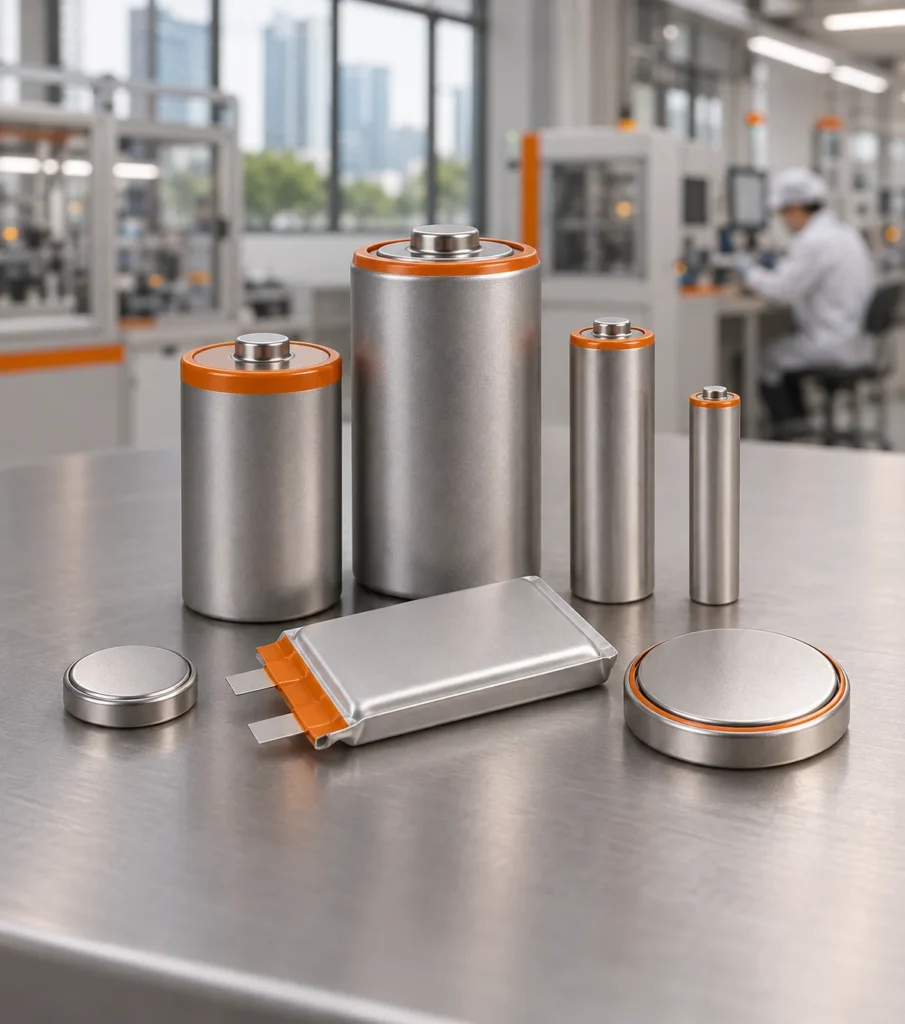

18650 lithium-ion batteries come in several chemical categories, including IMR, ICR, INR, and IFR. Although they share the same cylindrical form factor (18×65 mm), their internal chemistry determines their performance, safety, energy density, and ideal application fields. Understanding these differences is essential for engineers, product designers, and buyers selecting the correct cell for a specific device or power system.
This guide explains the naming system, chemical distinctions, performance characteristics, and recommended applications of the four major 18650 battery types.
1. Naming Rules: What IMR, ICR, INR, and IFR Mean
The naming format follows a standard lithium-ion battery nomenclature:
I = Lithium-ion
Second letter = Cathode chemistry
M = Manganese → IMR = LiMn₂O₄
C = Cobalt → ICR = LiCoO₂
N = Nickel/Manganese/Cobalt → INR = NMC/NCA
F = Iron (Fe) → IFR = LiFePO₄
R = Round cell
Therefore, IMR/ICR/INR/IFR describe the internal chemistry, not brand names or model codes. Even if two cells have the same dimensions, their behavior can be completely different due to material differences.
2. IMR 18650 Batteries (LiMn₂O₄)

IMR batteries use lithium manganese oxide as the cathode, known for high-current performance and thermal stability.
Key Characteristics
High discharge rate, suitable for high-drain devices
Lower internal resistance and strong peak current output
Higher safety than ICR, with better thermal tolerance
Moderate energy density
Average cycle life
Typical Applications
Power tools
High-power LED devices
Vaping devices
Short-duration high-current industrial equipment
IMR batteries prioritize current output and safety rather than maximum capacity.
3. ICR 18650 Batteries (LiCoO₂)

ICR cells use lithium cobalt oxide, known for extremely high energy density, but limited thermal stability.
Key Characteristics
Highest energy density among the four types
Low discharge rate; unsuitable for high-current loads
Lower safety margin, often requiring a protection circuit (PCM/BMS)
Vulnerable to overheating under load
Typical Applications
Laptops
Cameras
Power banks
General consumer electronics
ICR batteries are capacity-focused solutions but must be carefully managed to avoid thermal risks.
4. INR 18650 Batteries (NMC / NCA)

INR batteries combine nickel, manganese, and cobalt—either in NMC or NCA configurations—offering a balanced performance profile.
Key Characteristics
Strong mix of high energy density and moderate-to-high discharge rate
Better thermal stability than ICR
Longer cycle life than IMR
Excellent overall balance of power, safety, and capacity
Typical Applications
Electric vehicles (NMC/NCA)
Power tools
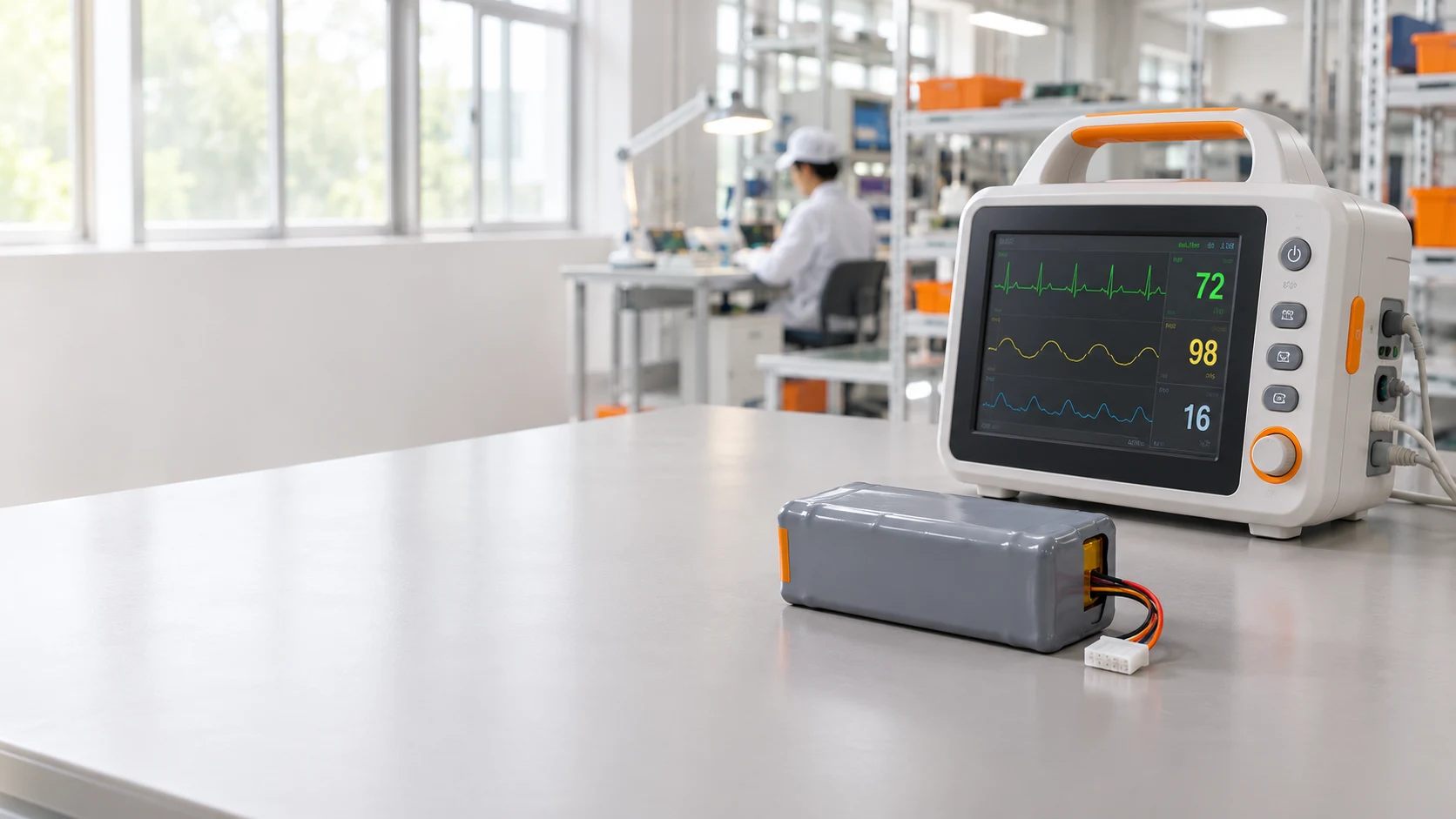
Medical equipment
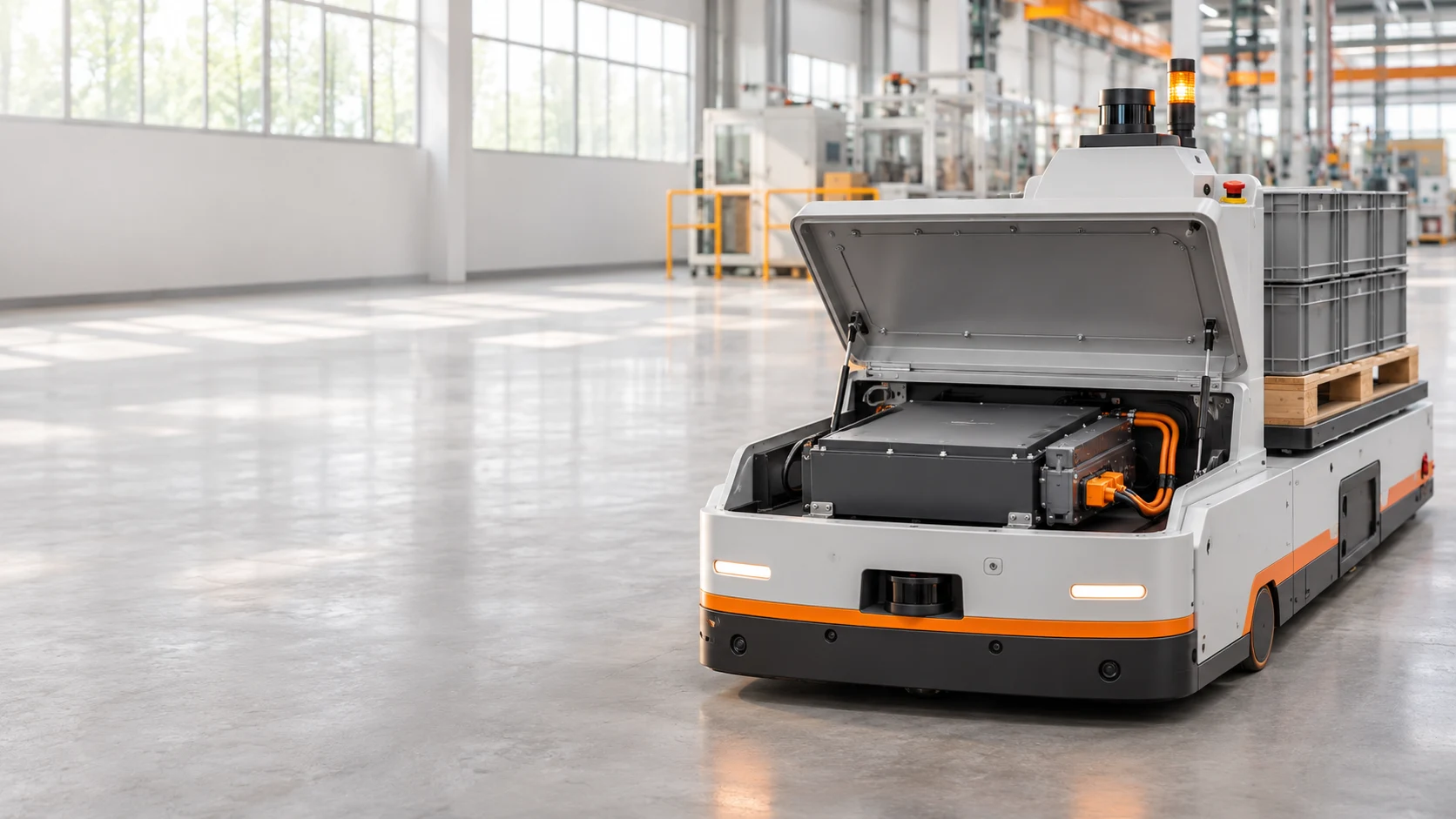
Industrial and robotics applications
Both reference articles agree that INR cells are the most versatile and widely used due to their balanced characteristics.
5. IFR 18650 Batteries (LiFePO₄)

IFR batteries use lithium iron phosphate as the cathode, known for exceptional safety and long cycle life.
Key Characteristics
Safest among all lithium chemistries
Outstanding thermal and chemical stability
Extremely long cycle life (2000–4000 cycles or more)
Lower energy density and heavier weight
Resistant to thermal runaway
Typical Applications
Home and industrial energy storage
UPS and backup systems
Electric motorcycles and scooters
Safety-critical battery packs
IFR batteries are preferred when safety, stability, and long service life are top priorities.
6. Comparison Table: IMR vs ICR vs INR vs IFR
| Feature | IMR | ICR | INR | IFR |
|---|---|---|---|---|
| Chemistry | LiMn₂O₄ | LiCoO₂ | NMC / NCA | LiFePO₄ |
| Energy Density | Medium | Highest | High | Low |
| Discharge Rate | High | Low | Medium–High | Medium |
| Safety | High | Low | Medium–High | Very High |
| Cycle Life | Medium | Medium | Medium–High | Very High |
| Best Use Cases | High-drain tools | Consumer electronics | EVs / industrial | Storage / safety-critical |
7. Which 18650 Type Should You Choose?
Your choice depends entirely on your device’s performance requirements:
High-current & high-power devices → choose IMR or INR
Maximum capacity required → choose ICR
Best overall balance of power, safety, and energy density → choose INR
Highest safety & longest cycle life → choose IFR
There is no “best overall chemistry”—only the best fit for a specific application.
8. Frequently Asked Questions (FAQ)
Which 18650 chemistry is the safest?
IFR (LiFePO₄) is the safest due to its excellent thermal stability and resistance to thermal runaway.
Which type is best for electric vehicles?
INR cells (NMC or NCA) are the mainstream choice due to their balanced power, lifespan, and energy density.
Why are IMR and INR suitable for high-drain devices?
Because their chemistries support higher discharge currents and maintain better thermal behavior under load compared to ICR.